What are panels and door components used for in 80/20 T-slot aluminum framing systems?
80/20
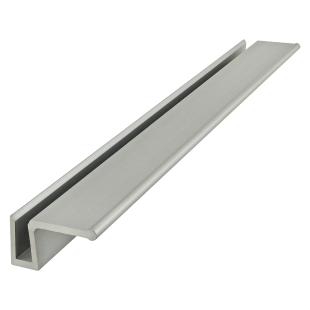
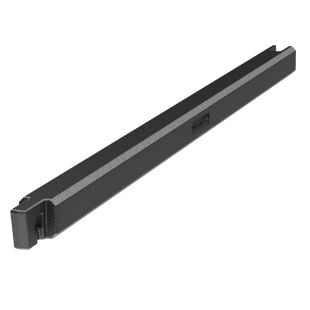
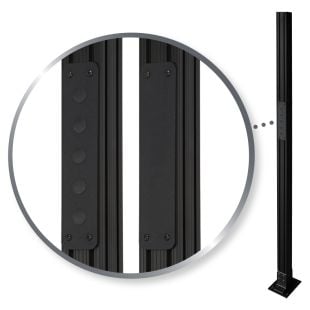
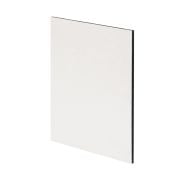
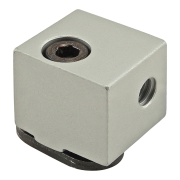
panel and door components are used to build machine guards, safety enclosures, workstation partitions, access doors, and cleanroom barriers. They integrate directly into 80/20 T-slot profiles and are available as a complete system including panels, wire mesh, aluminum plate, door hardware, hinges, latches, handles, and gaskets.
What types of panel materials are available for 80/20 aluminum extrusion systems?
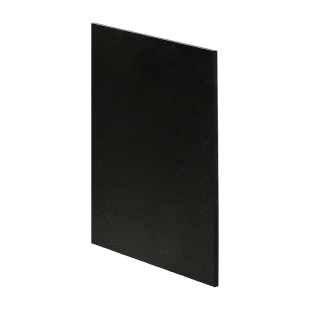
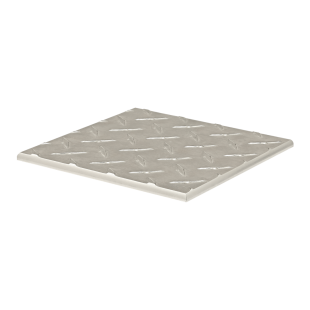
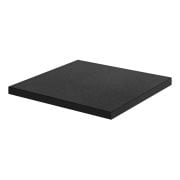
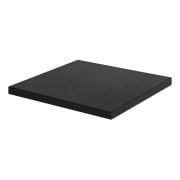
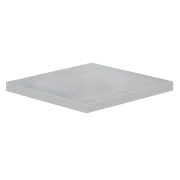
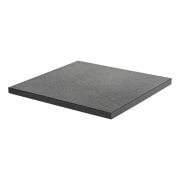
80/20 stocks over 100 panel materials including polycarbonate, HDPE, ABS, aluminum plate, wire mesh, expanded metal, and ESD-safe plastics. Panels are sold by the square foot or square meter and are available for in-house machining through 80/20's
Panel Machine Shop.
How do I choose the right panel material for my 80/20 application?
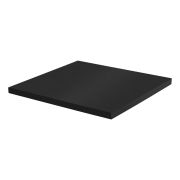
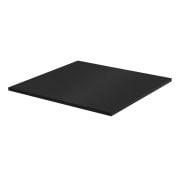
Polycarbonate is selected for visibility and impact resistance. Aluminum plate is selected for rigidity and opaque surfaces. HDPE is selected for moisture-resistant environments. Wire mesh is selected when airflow and sightlines to equipment are required. ESD-safe materials are selected for electronics manufacturing cells. 80/20's Panel Selector tool filters all stock materials by thickness, color, and size.
What components are needed to install panels in 80/20 T-slot framing?
80/20 panel installations use
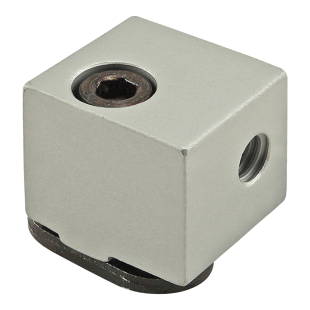
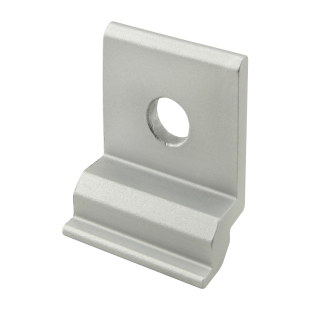
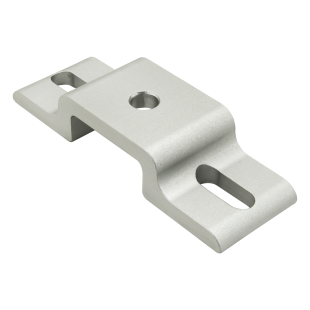
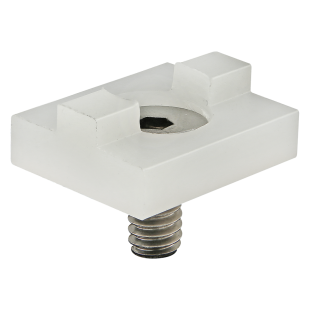
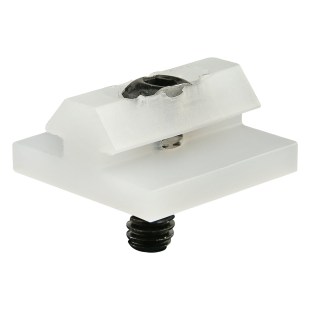
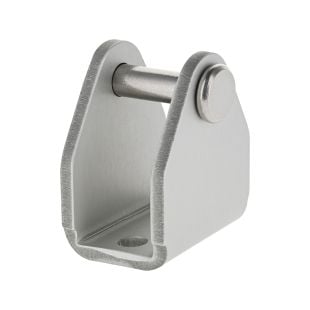
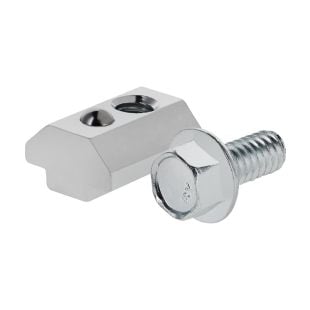
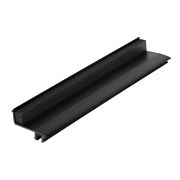
panel retainers, mounting brackets, mounting blocks, clamps, and panel gaskets. All hardware seats directly into the T-slot channel using standard T-nuts with no drilling required. The correct retainer and bracket depend on the profile series (10, 15, 25, 40, or 45 Series) and panel thickness.
What are panel retainers and how do they work in 80/20 builds?
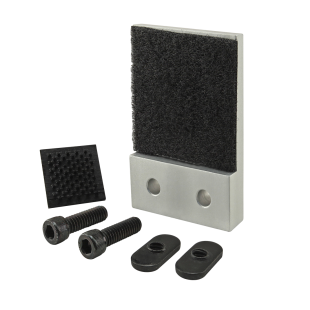
80/20 panel retainers grip the panel edge and lock it against the profile face, securing polycarbonate sheets, aluminum plates, and wire mesh within the frame. They insert into the T-slot channel using T-nuts and allow panels to be removed and replaced without modifying the frame. Configurations are available for each 80/20 profile series and panel thickness.
Can I build custom doors for 80/20 aluminum extrusion enclosures?
Yes. 80/20 T-slot profiles support swing doors, sliding doors, lift-off doors, and removable access panels. All hardware mounts directly into the T-slot channel without drilling. 80/20's IdeaBuilder software generates a complete bill of materials for door assemblies, and Build Services offers preassembly and full assembly options shipped ready to install.
What types of hinges are available for 80/20 aluminum extrusion doors?
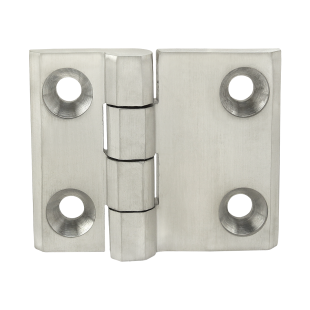
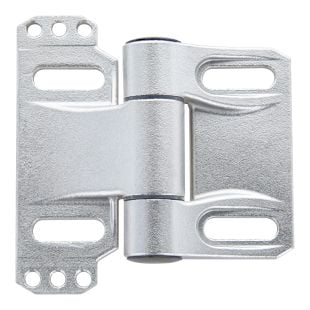
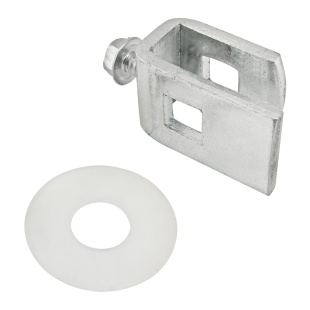
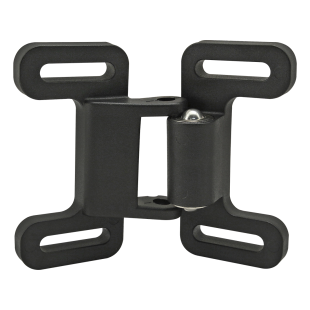
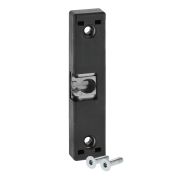
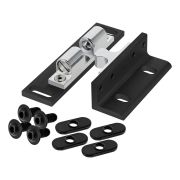
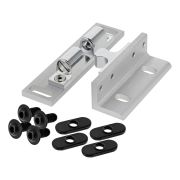
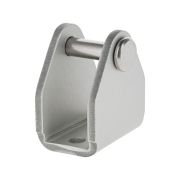
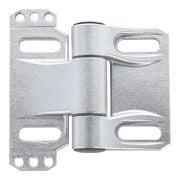
80/20 hinge options include standard, lift-off, concealed, captive, adjustable, detent, and locking hinges in plastic, aluminum, zinc, and stainless steel. All mount into the T-slot channel using T-nuts. Selection depends on door weight, panel size, opening frequency, and whether tool-free removal is required.
What is the advantage of 80/20 lift-off hinges?
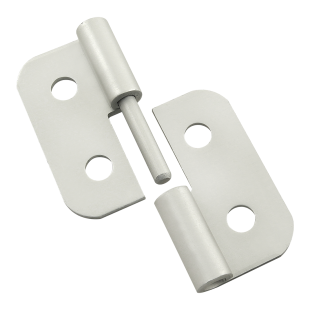
80/20
lift-off hinges allow doors to be removed by lifting off the fixed hinge pin without loosening any fasteners. This is used on machine enclosures and production cells where panels need to be removed frequently for maintenance or cleaning, particularly in food processing, laboratories, and cleanroom environments.
When should I use sliding doors instead of hinged doors on 80/20 enclosures?
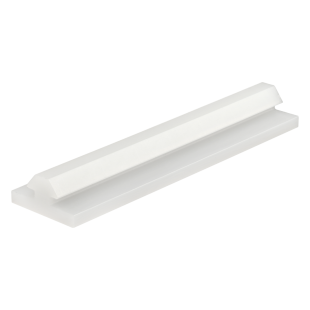
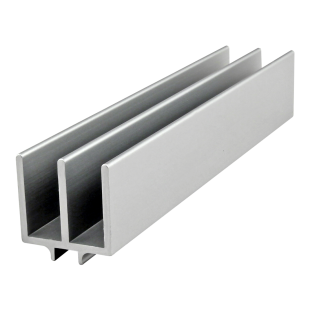
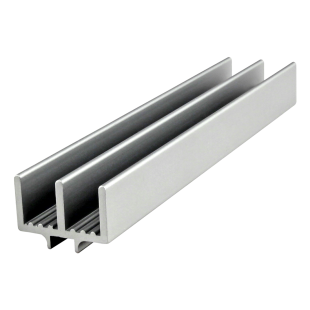
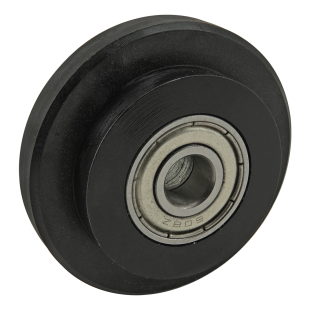
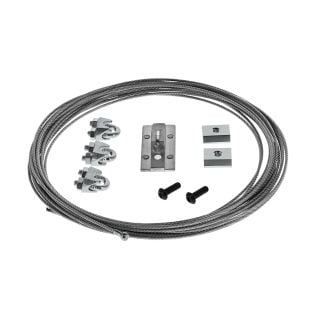
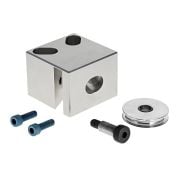
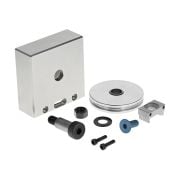
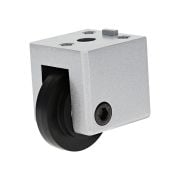
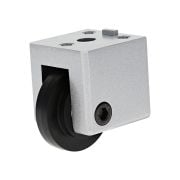
Sliding doors are selected when floor space is limited or swing clearance is not available adjacent to equipment or aisle ways. 80/20 sliding door systems use upper and lower slide tracks, guide profiles, and wheel assemblies that mount directly into the T-slot channel.
What components are required for an 80/20 sliding door system?
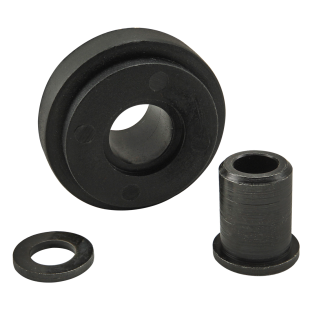
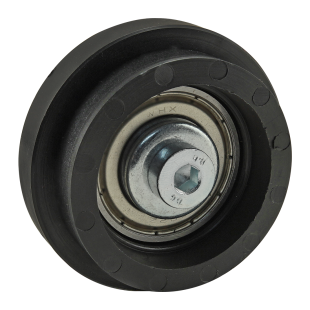
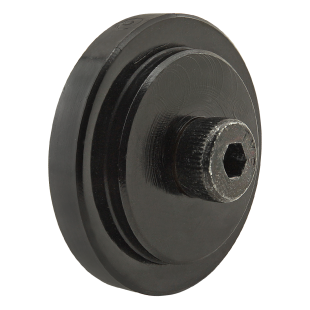
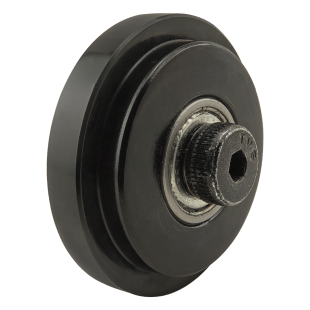
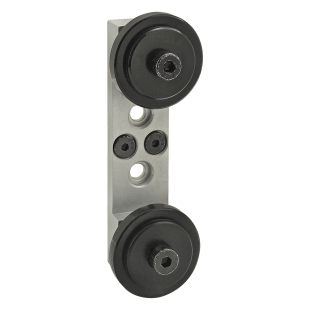
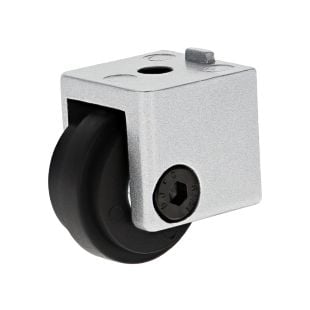
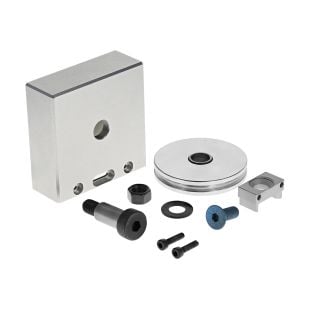
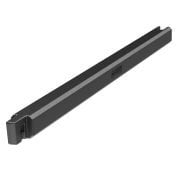
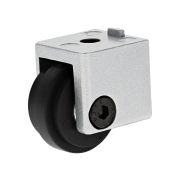
A complete 80/20 sliding door system includes upper and lower slide tracks, door glides, wheel assemblies, guide profiles, panel retainers, and mounting hardware. 80/20 supplies matched hardware kits per profile series to ensure track width, wheel diameter, and guide dimensions are compatible with the specified frame.
What types of door handles are available for 80/20 aluminum extrusion doors?
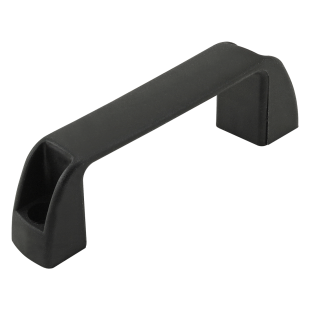
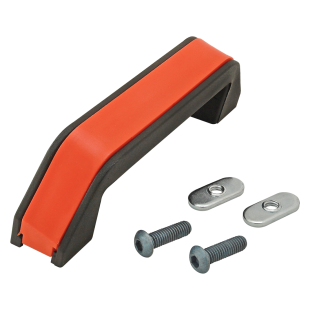
80/20
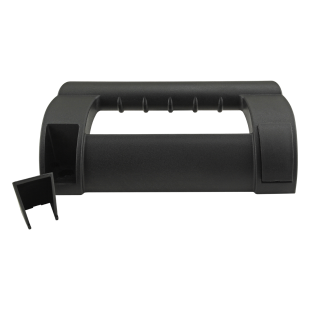
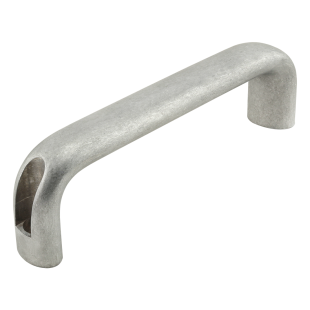
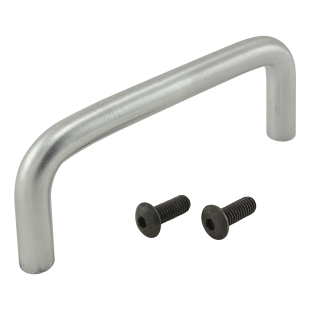
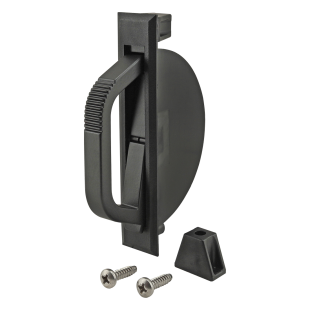
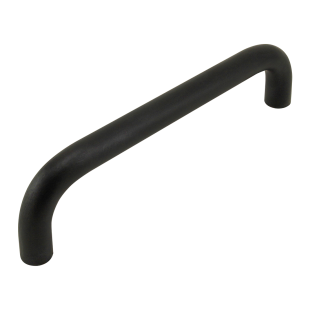
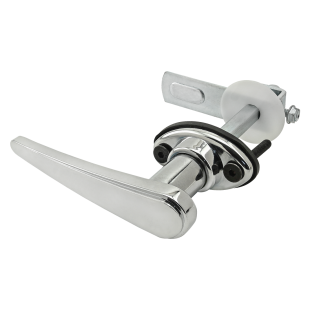
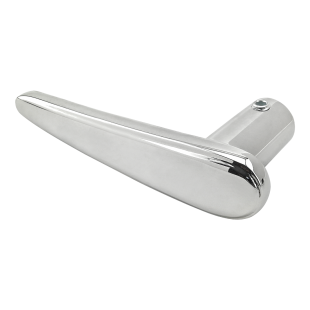
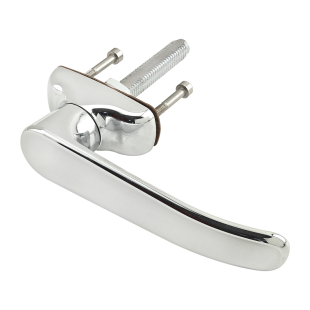
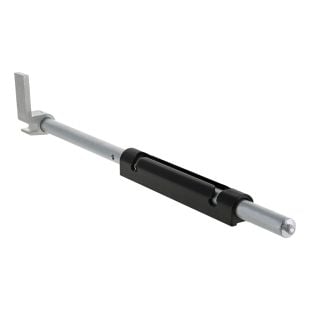
handle options include plastic, aluminum, ergonomic, offset, locking grabber, flush panel, furniture-style, and deluxe handles with integrated pawl mechanisms. All mount into the T-slot channel or directly to the panel face. Locking handles integrate with 80/20 latch components for complete door access control.
How do I select the best door latch for my 80/20 enclosure?
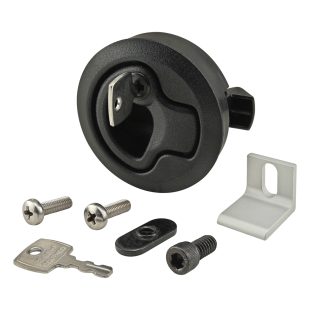
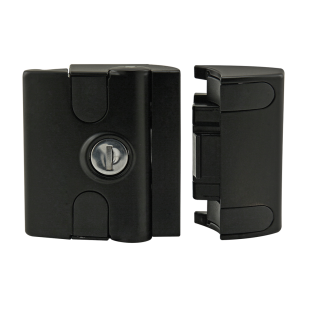
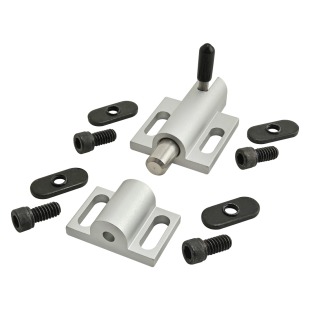
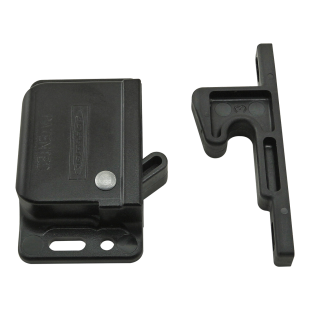
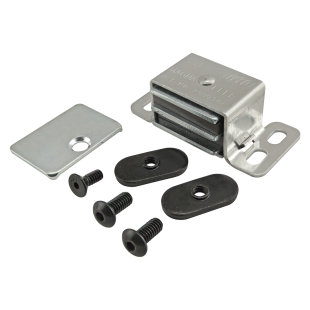
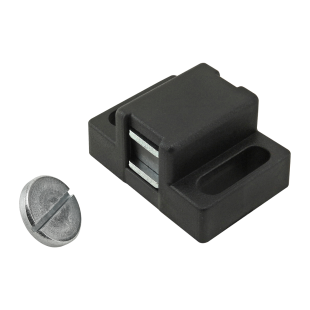
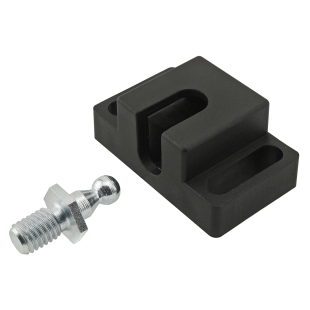
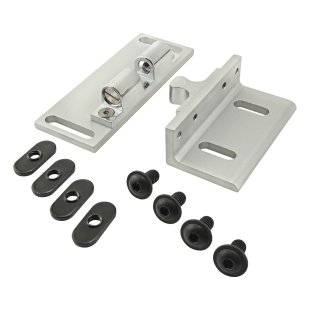
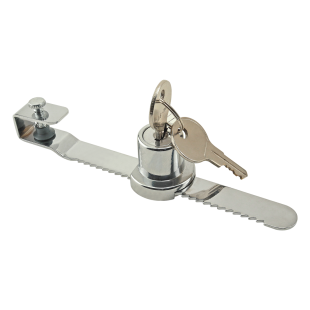
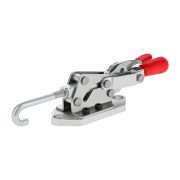
Latch selection depends on security requirements, vibration exposure, and operator accessibility. Slam latches are used for high-frequency access. Deadbolt and hook latches are used for secured access control. Magnetic and ball catches are used for lightweight or cleanroom doors. Toggle clamps and heavy-duty latches are used for high-vibration or high-cycle enclosures.
Are safety interlock switches available for 80/20 machine guarding doors?
Yes. 80/20 T-slot profiles accept
safety interlock switches on both swing and sliding doors, mounted into the channel using T-nuts. They interrupt machine operation when the access door is opened and support OSHA compliance in automation cells and robotic enclosures. Sensors, cameras, and light relays can also be added to the same channel.
What are panel gaskets and door seals used for in 80/20 enclosures?
80/20
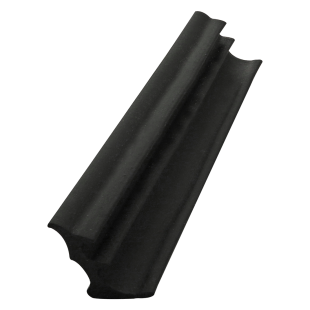
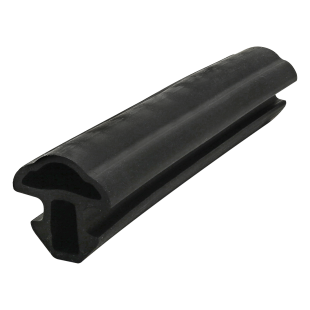
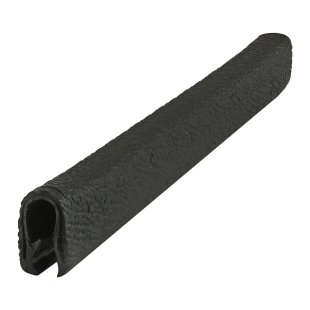
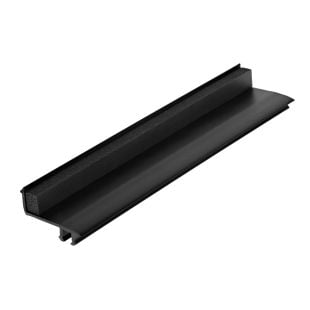
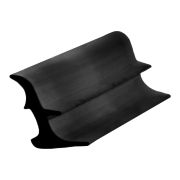
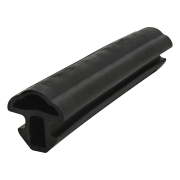
panel gaskets and door seals reduce dust infiltration, vibration transmission, and noise at the panel-to-frame and door-to-frame interface. They are compressed between the panel edge and profile face when retainers are tightened, creating a consistent seal without adhesives.
Can wire mesh panels be used for machine guarding on 80/20 frames?
Yes. 80/20
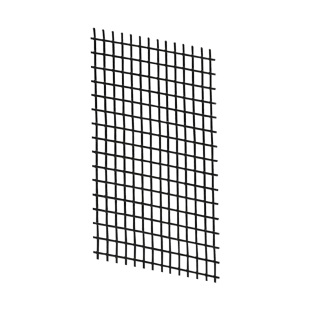
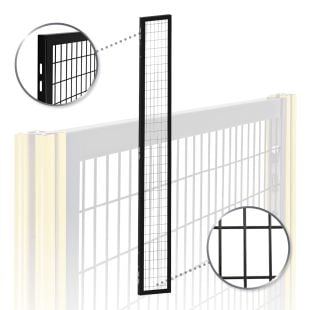
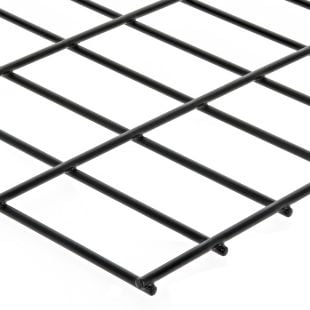
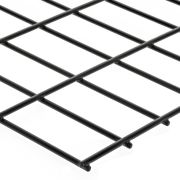
wire mesh panels provide physical separation, maintained sightlines, and airflow through the enclosure wall simultaneously. Wire mesh is machined to custom dimensions in 80/20's in-house Panel Machine Shop with notching, perforating, and edge finishing available.
Are 80/20 T-slot panel systems easy to modify after installation?
Yes. Panels are reconfigured by removing retainers and T-nuts from the channel without cutting or modifying the frame. All door hardware, hinges, handles, latches, and slide tracks reposition by loosening fasteners rather than drilling new holes, making 80/20 enclosures significantly faster to modify than welded steel alternatives.
What industries use 80/20 aluminum extrusion panel and door systems?
80/20
panel and door systems are used in manufacturing, automation, robotics, material handling, electronics assembly, laboratories, cleanrooms, warehousing, and industrial safety. Applications include robotic cell enclosures, machine guards, workstation partitions, safety fencing, display cases, and cleanroom structures.
Can 80/20 panel and door components be integrated into complete machine guarding systems?
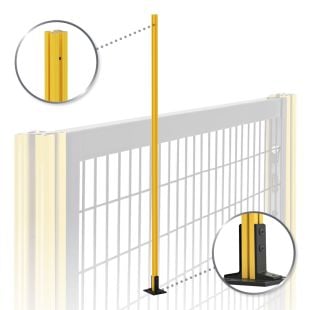
Yes. 80/20 supplies every guarding component from a single source: safety yellow profiles, polycarbonate and wire mesh panels, swing and sliding doors, hinges, latches, handles, door seals, interlock switches, and safety lighting. All mount into the
T-slot channel without welding, and the entire structure reconfigures as machine layouts change.
What are the advantages of 80/20 aluminum extrusion doors versus welded steel doors?
80/20 aluminum door systems are lighter, corrosion resistant without surface treatment, and fully reconfigurable after installation. Door geometry and hardware are adjusted by repositioning T-slot components rather than cutting and rewelding. 80/20 Build Services deliver preassembled door systems in 1 hour of on-site installation time versus a typical 4 hours for welded alternatives.