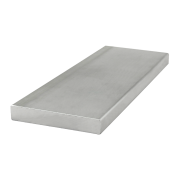
What are structural aluminum shapes?
80/20
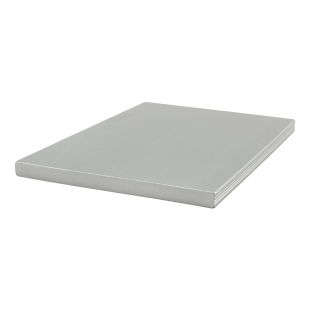
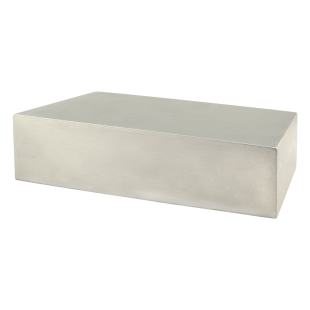
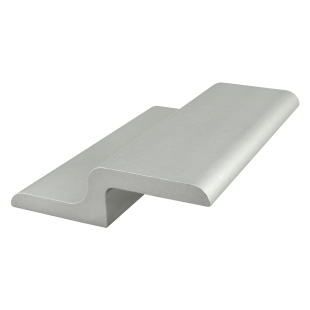
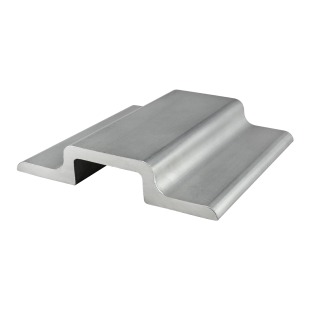
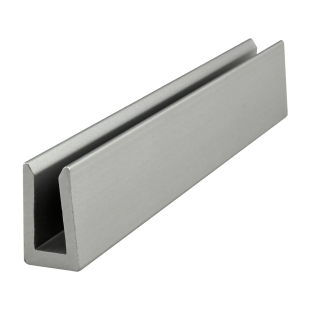
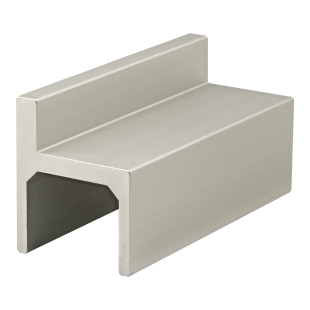
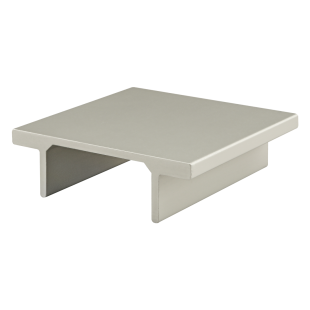
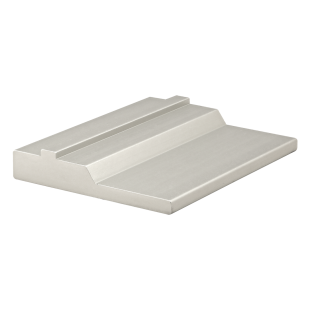
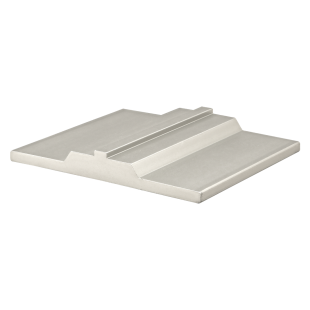
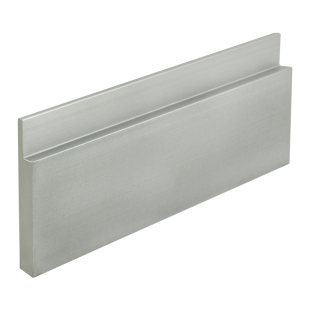
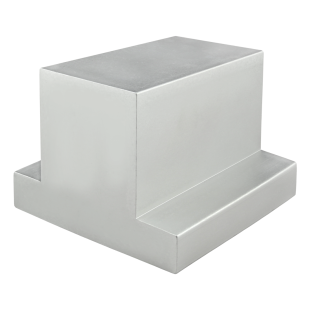
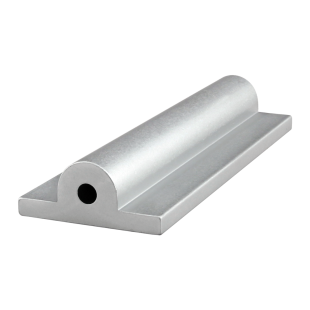
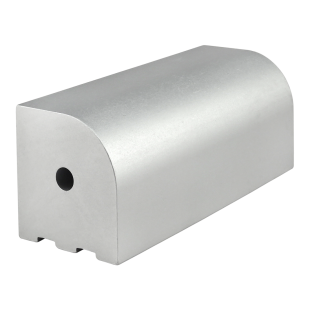
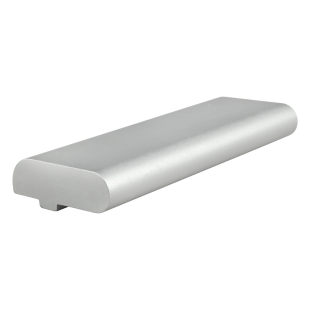
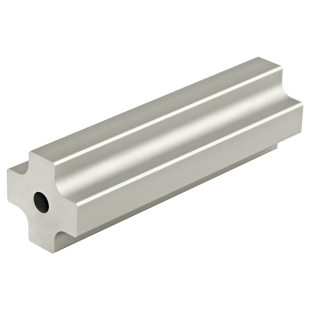
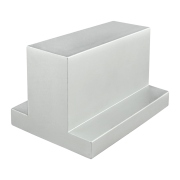
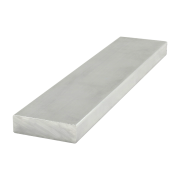
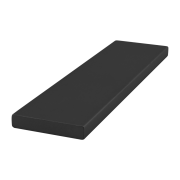
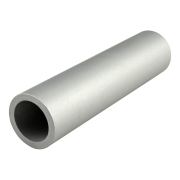
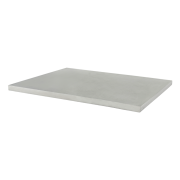
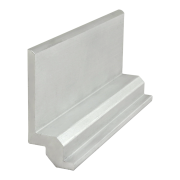
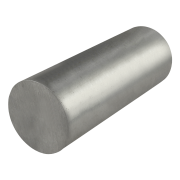
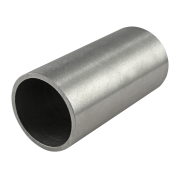
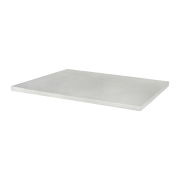
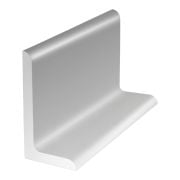
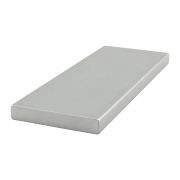
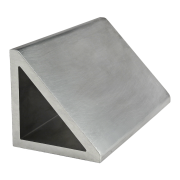
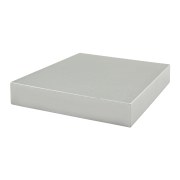
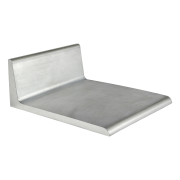
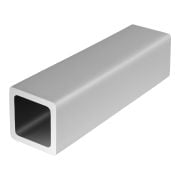
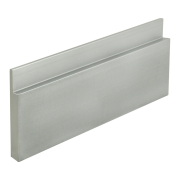
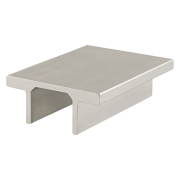
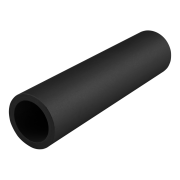
structural aluminum shapes are standard aluminum profiles—including angles, channels, flat bars, square tubing, round tubing, and tees—used to reinforce, connect, protect, or complete industrial and architectural assemblies. They provide lightweight strength, excellent corrosion resistance, and can often be integrated with T-slot aluminum framing systems for custom fabrication projects.
What types of structural aluminum shapes are available?
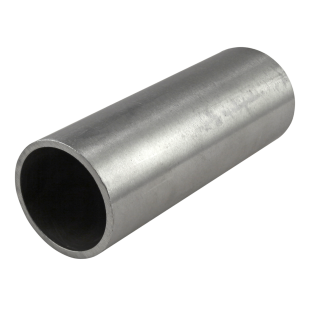
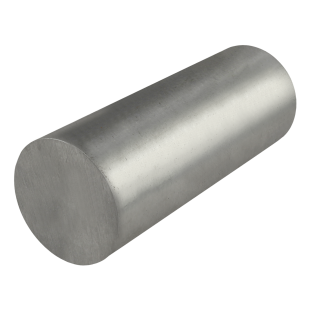
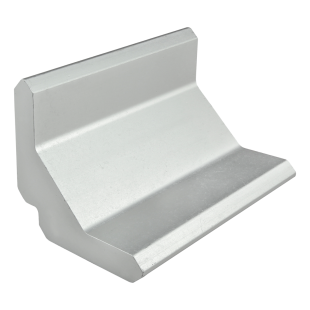
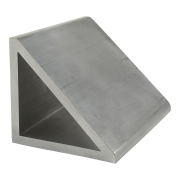
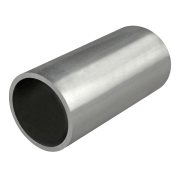
80/20 offers a variety of structural aluminum shapes, including
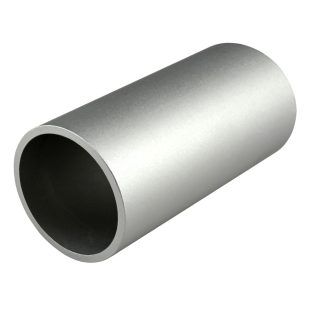
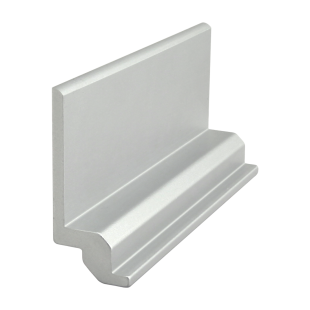
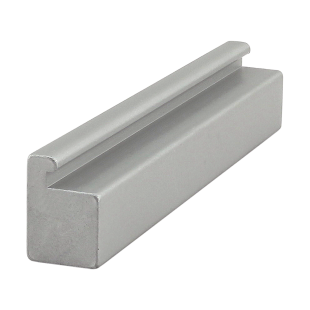
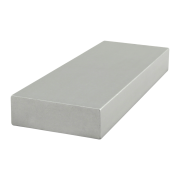
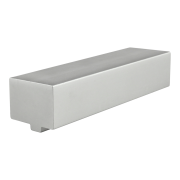
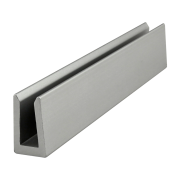
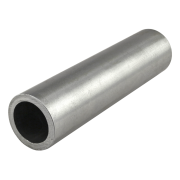
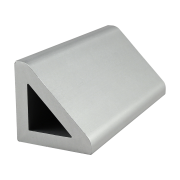
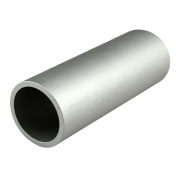
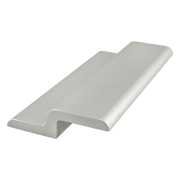
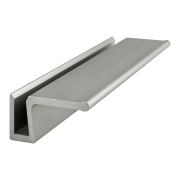
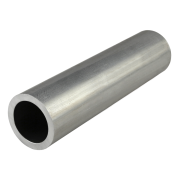
aluminum angle, square tube, round tube, rectangular tube, U-channel, C-channel, and other complementary profiles designed for industrial, commercial, and OEM applications. These products provide additional design flexibility alongside modular T-slot aluminum framing systems.
What are structural aluminum shapes used for?
80/20 structural aluminum shapes are commonly used to build equipment supports, machine guards,
workstations, protective covers, mounting brackets, conveyor systems, architectural features, display fixtures, automation equipment, and custom fabricated assemblies. They are valued for their strength, machinability, and corrosion resistance.
What are the advantages of aluminum structural shapes over steel?
80/20 aluminum structural shapes offer several advantages over steel, including lighter weight, natural corrosion resistance, easier machining, and lower maintenance requirements. They also simplify installation and are easier to transport while still providing excellent structural performance for many
industrial applications.
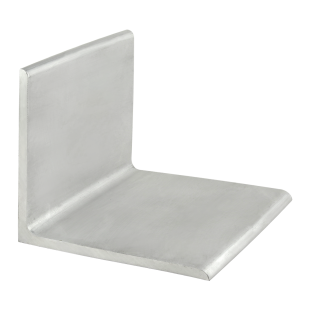
What is an aluminum angle used for?
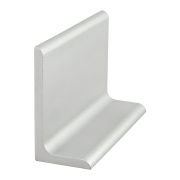
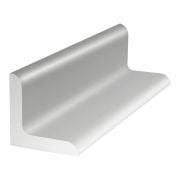
80/20
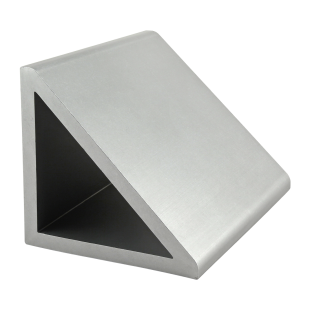
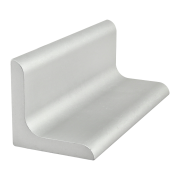
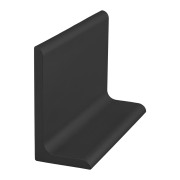
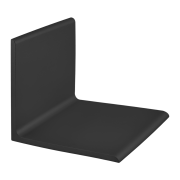
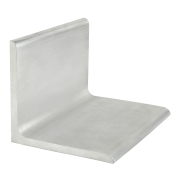
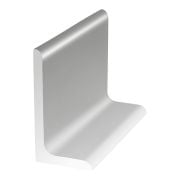
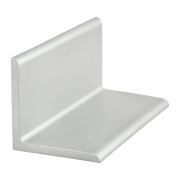
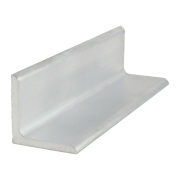
aluminum angles are one of the most versatile structural shapes available. It's commonly used for corner reinforcement, framework construction, mounting brackets, edge protection, shelving, equipment supports, and structural bracing in manufacturing and industrial environments.
What are aluminum square tubes used for?
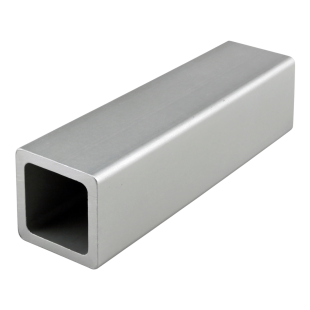
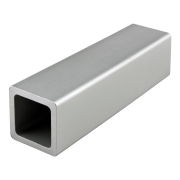
80/20 aluminum
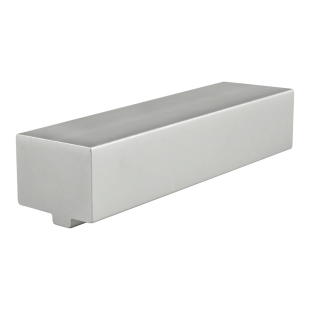
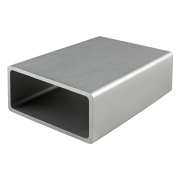
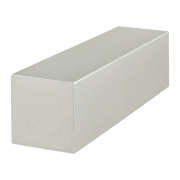
square tubing is widely used in machine frames, workstations, carts, equipment stands, safety barriers, architectural structures, displays, and custom fabrication projects. Square tubing offers excellent strength-to-weight performance while maintaining clean, modern aesthetics.
Can structural aluminum shapes be used with T-slot aluminum extrusions?
Yes. Many 80/20 structural aluminum shapes complement
T-slot aluminum framing systems by providing additional reinforcement, trim, brackets, mounting surfaces, and custom fabricated components. They can be incorporated into modular assemblies to expand design possibilities.
Why choose aluminum structural shapes instead of welded steel components?
80/20 aluminum
structural shapes eliminate many of the challenges associated with steel fabrication, including corrosion, heavy weight, and extensive finishing requirements. They are easier to machine, transport, and install while supporting modular, adaptable designs that can be modified over time.
Are structural aluminum shapes corrosion resistant?
Yes. Aluminum naturally forms a protective oxide layer that resists corrosion in most indoor and outdoor environments. This makes structural aluminum shapes an excellent choice for manufacturing facilities,
laboratories, cleanrooms and food processing plants.
Can structural aluminum shapes be machined?
Absolutely. 80/20 aluminum structural shapes are easy to cut, drill, tap, mill, and machine using standard fabrication equipment. This allows engineers and fabricators to quickly create
custom parts, mounting solutions, and structural assemblies.
What industries use structural aluminum shapes?
80/20 structural aluminum shapes are widely used in Manufacturing, Factory Automation,
Robotics, Material Handling, Aerospace, Automotive, Medical Equipment, Electronics, Laboratory Environments, Food Processing, Architectural Construction, Retail Displays, OEM Equipment and Manufacturing, Residential Housing and Marine applications.
How do I choose the right structural aluminum shape?
Selecting the appropriate 80/20 structural shape depends on several factors, including
Load Requirements, Span Length, Mounting Method, Required Stiffness, Weight Limitations, Environmental Conditions, Machining Requirements, Appearance and Compatibility with Surrounding Components. Choosing the right profile helps optimize both structural performance and material efficiency.
Can structural aluminum shapes support heavy loads?
Yes. Many 80/20 structural aluminum shapes are engineered to support significant loads when properly sized and installed.
Load capacity depends on the profile geometry, alloy, wall thickness, span, mounting configuration, and applied forces. Engineering calculations should always be used for critical structural applications.
What finishes are available for structural aluminum shapes?
80/20
structural aluminum shapes are commonly available in mill finish and anodized finishes. Depending on the application, additional finishing processes such as powder coating, painting, or custom coatings may also be used to improve appearance or increase environmental protection.
What is the benefit of using structural aluminum instead of fabricated steel?
80/20
structural aluminum reduces overall system weight, simplifies installation, improves corrosion resistance, lowers maintenance costs, and often shortens fabrication time. For many applications, aluminum also reduces lifecycle costs while providing excellent durability and long-term performance.
Can structural aluminum shapes be customized?
Yes. 80/20 structural aluminum shapes can be cut to length and machined with drilled holes, tapped holes, slots, notches, pockets, and other custom features. These
value-added services help reduce fabrication time and simplify final assembly.
Why choose 80/20 structural aluminum shapes?
80/20 structural aluminum shapes are designed to complement the company's
modular framing systems while providing engineers, manufacturers, and fabricators with durable, lightweight, and corrosion-resistant components. Combined with 80/20's extensive product ecosystem, they enable highly customizable solutions for industrial equipment, automation systems, machine guarding, architectural projects, and countless custom applications.