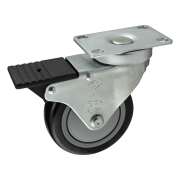
What are floor-to-frame components for T-slot aluminum framing?
80/20
floor to frame components are the hardware that connects an aluminum extrusion frame to the floor or provides mobility. They include casters, leveling feet, floor locks, floor brackets, base plates, floor glides, and anchoring hardware, allowing equipment to remain stationary, mobile, or easily repositioned as operational needs change.
Why are floor-to-frame components important in industrial applications?
Proper 80/20 floor-to-frame components improve equipment stability, mobility, safety, vibration control, and load distribution. Whether you're building a machine frame, workstation,
robot pedestal, enclosure, or conveyor, selecting the appropriate mounting solution helps maximize performance and extend equipment life.
What types of floor-to-frame components does 80/20 offer?
80/20 offers a comprehensive selection of floor-to-frame solutions, including:
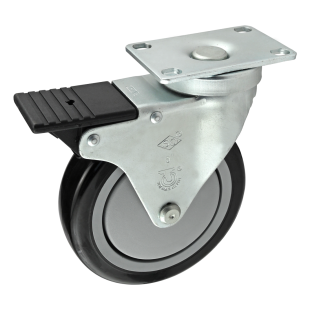
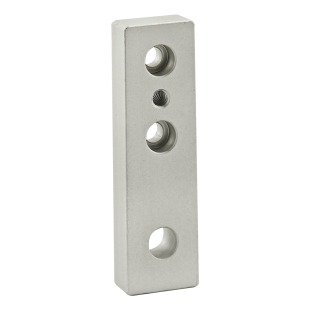
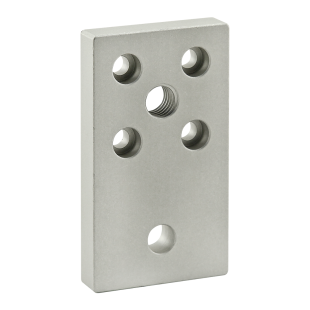
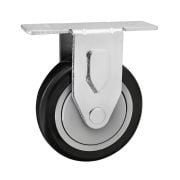
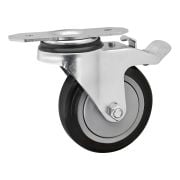
Industrial Casters, Swivel and Rigid Casters, Locking Casters, Leveling Casters, Adjustable Leveling Feet, Floor Glides, Floor Locks, Floor Brackets, Floor Mount Brackets, Base Plates, Anchoring Base Plates and Flange Mount Caster Plates. These components are available for multiple 80/20 T-slot profile series and applications.
When should I use casters instead of leveling feet?
Choose 80/20 casters when equipment needs to be moved regularly between work areas. Choose 80/20 leveling feet when equipment will remain stationary and requires maximum stability, precise leveling, or vibration reduction. Some applications combine leveling casters with floor locks to provide both mobility and secure positioning.
What are leveling feet used for?
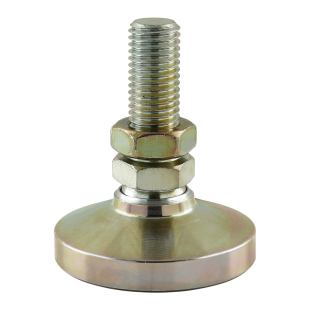
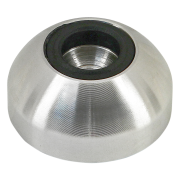
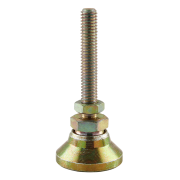
80/20 leveling feet allow builders to compensate for uneven floors while providing a stable foundation for industrial equipment. They're commonly used on
workstations, machine bases, assembly tables, laboratory equipment, conveyors, inspection stations, and automation cells.
What are leveling casters?
80/20
leveling casters combine the mobility of a caster with the stability of a leveling foot. Once equipment is moved into position, the leveling mechanism raises the wheels off the floor, allowing the frame to rest securely on adjustable pads for improved stability.
What is a floor lock, and when should I use one?
An
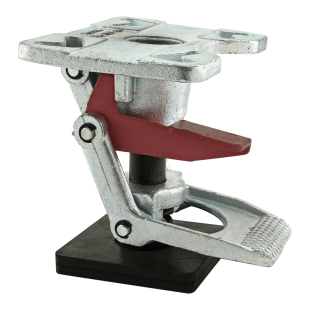
80/20 floor lock uses a spring-loaded foot to prevent mobile equipment from rolling or shifting during operation. Unlike caster brakes, floor locks transfer the equipment's weight directly to the floor, providing greater stability for heavier applications.
What is the difference between caster brakes and floor locks?
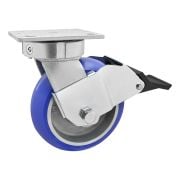
80/20 caster brakes prevent the wheels from rotating, helping keep equipment in place. Floor locks, however, lift or stabilize the equipment using a dedicated foot pad that transfers weight to the floor, offering significantly greater resistance to movement during operation.
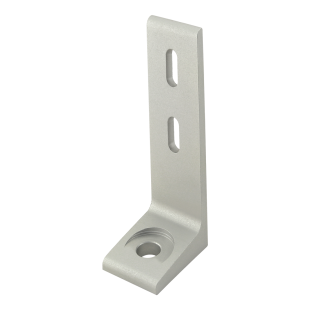
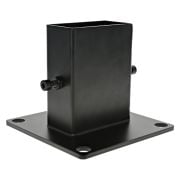
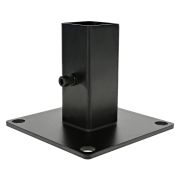
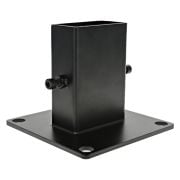
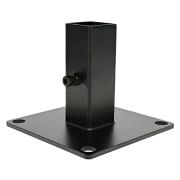
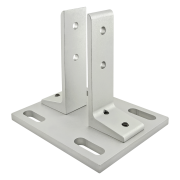
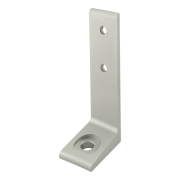
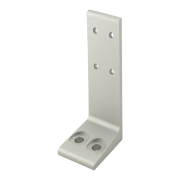
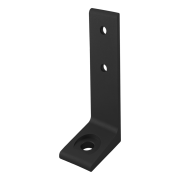
What are floor mount brackets used for?
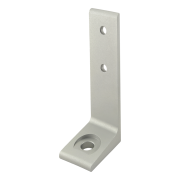
80/20
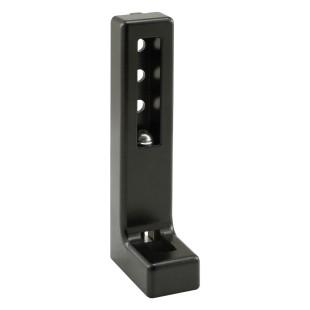
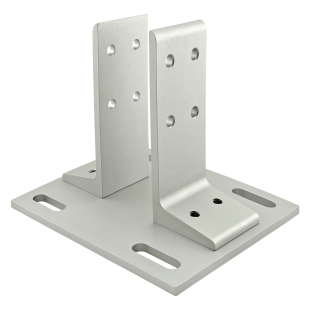
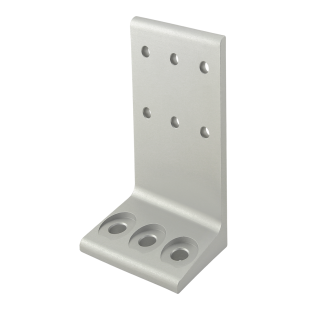
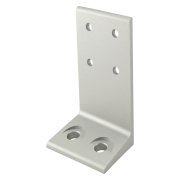
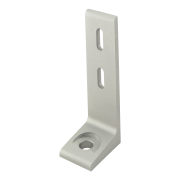
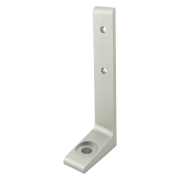
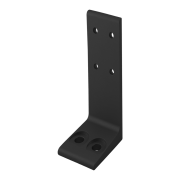
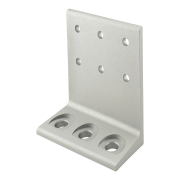
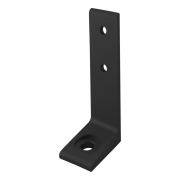
floor mount brackets permanently secure aluminum extrusion frames to concrete or structural flooring. They're commonly used for machine guarding, robotics, automation equipment, workstations, safety barriers, and permanent industrial installations.
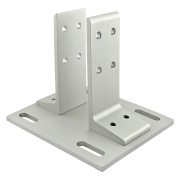
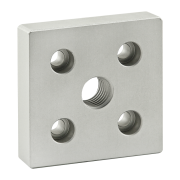
What are base plates for aluminum extrusion systems?
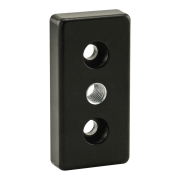
80/20
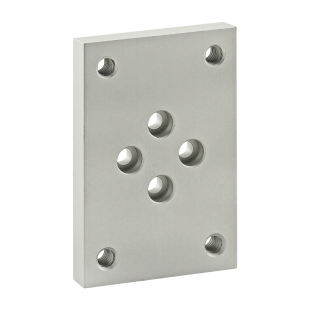
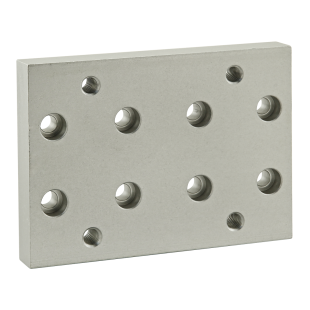
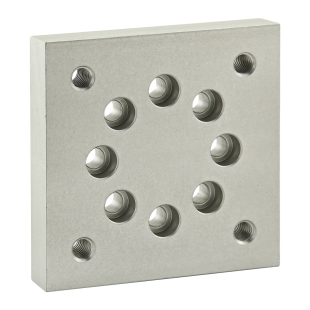
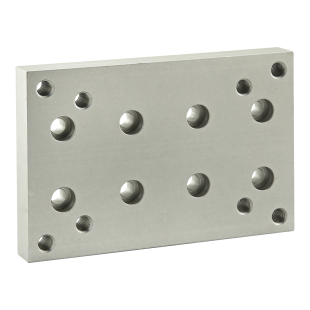
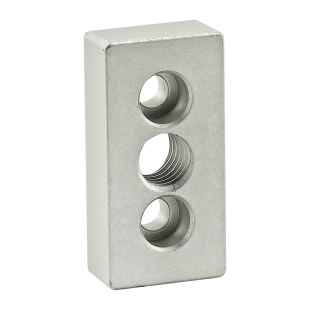
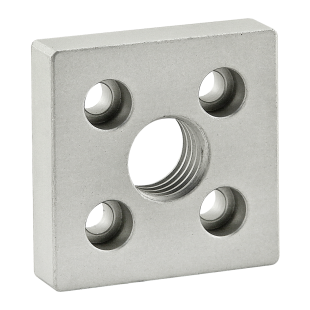
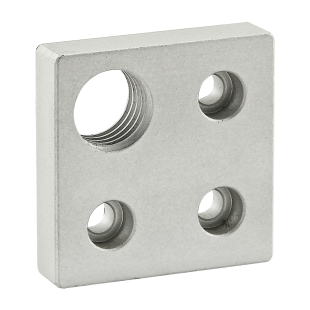
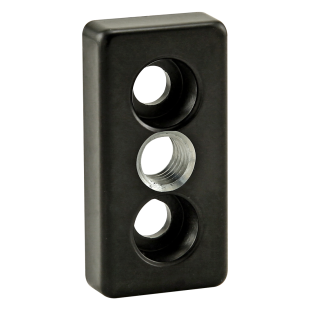
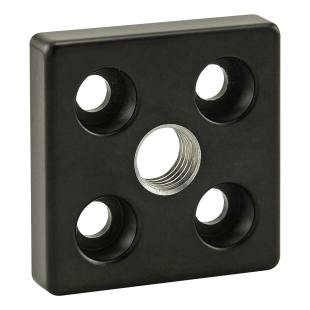
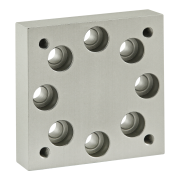
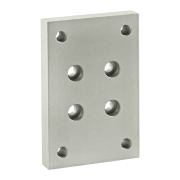
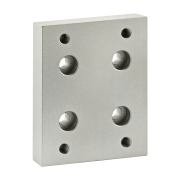
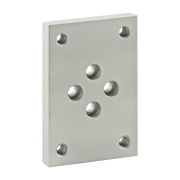
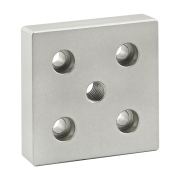
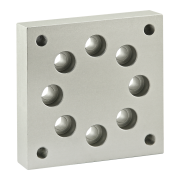
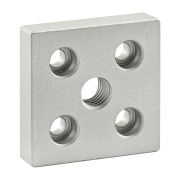
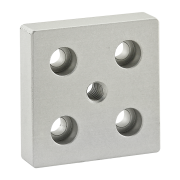
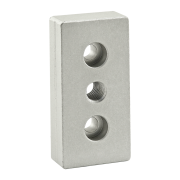
base plates reinforce the connection between T-slot aluminum profiles and the floor while providing mounting surfaces for anchors, casters, floor locks, or leveling feet. They improve load distribution and increase structural rigidity.
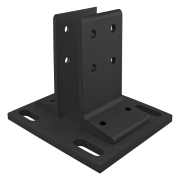
What are anchoring base plates?
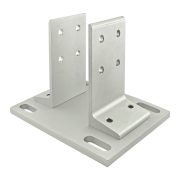
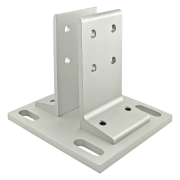
Anchoring base plates allow 80/20 aluminum framing systems to be securely fastened to concrete floors using mechanical anchors or expansion anchors. They're commonly specified for machine frames, industrial work cells,
guarding systems, and automation equipment requiring permanent installation.
Can I add mobility to an existing aluminum extrusion frame?
Yes. One of the primary advantages of modular
T-slot framing is that 80/20 casters, leveling feet, floor locks, and base plates can often be added or upgraded without welding or major structural modifications.
How do I choose the right industrial caster?
Consider several factors when selecting an
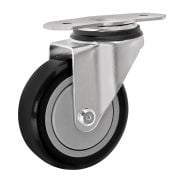
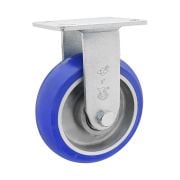
80/20 caster, including: Equipment Weight, Load Capacity Per Caster, Wheel Material, Floor Conditions, Swivel Versus Rigid Design, Brake Requirements, Environmental Exposure and Required Mobility. Proper caster selection improves maneuverability while protecting both equipment and flooring.
What is the difference between swivel and rigid casters?
80/20 swivel casters rotate 360 degrees, making equipment easier to maneuver in tight spaces.
Rigid casters move only in a straight line and are often paired with swivel casters to improve directional control and overall stability.
Are floor-to-frame components compatible with all 80/20 profile series?
Yes. Most 80/20 floor-to-frame products are available for multiple
profile series, including 10 Series, 15 Series, 25 Series, 30 Series, 40 Series, and 45 Series. Compatibility depends on the extrusion dimensions, slot size, mounting method, and intended application.
Can floor brackets help reduce equipment vibration?
Yes. Proper 80/20 floor anchoring and rigid mounting improve overall equipment stability and can reduce movement caused by vibration. For applications requiring additional vibration isolation, specialized
leveling feet and mounting solutions may also be appropriate.
What industries commonly use floor-to-frame components?
80/20 floor-to-frame components are widely used in: Manufacturing, Factory Automation, Robotics, Material Handling, Automotive Production, Electronics Assembly, Packaging, Warehousing, Laboratory Equipment, Medical Manufacturing, Aerospace and Food Processing. These industries rely on
modular aluminum frames because they can be reconfigured as production requirements evolve.
Can floor-to-frame components support heavy industrial equipment?
Yes. 80/20 offers heavy-duty casters, reinforced
base plates, steel floor brackets, anchoring systems, and industrial mounting hardware designed to support demanding manufacturing and automation applications when properly specified.
Are floor-to-frame components easy to install?
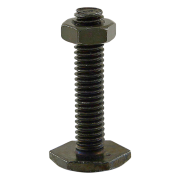
Yes. Most 80/20 components are designed to mount directly to compatible T-slot aluminum profiles using
standard hardware. This simplifies installation and allows builders to replace or upgrade components without welding or extensive fabrication.
Why choose 80/20 floor-to-frame components instead of fabricated mounting solutions?
80/20
floor to frame components provide a modular, engineered solution that reduces fabrication time, simplifies installation, supports future modifications, and integrates seamlessly with T-slot aluminum framing. Whether you need mobility, leveling, or permanent anchoring, these components help create durable, professional-grade industrial systems that can adapt as your operation grows.