What are the different types of aluminum extrusion fastening methods?
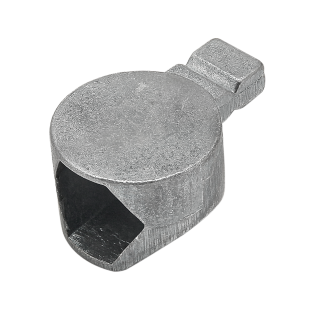
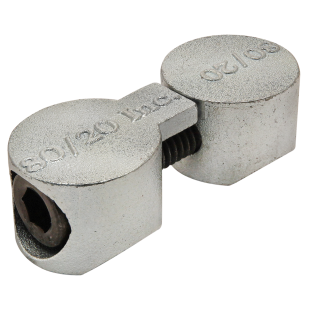
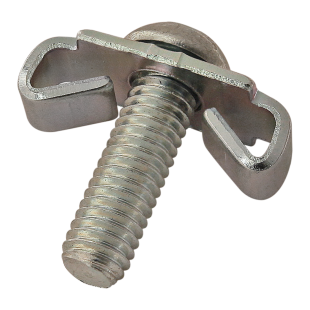
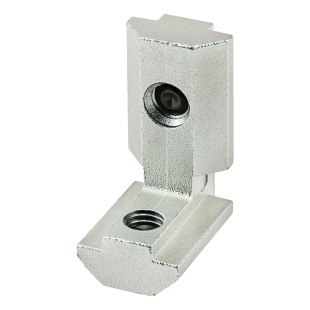
80/20 T-Slot Aluminum Fasteners fall into two primary categories:
internal fasteners and
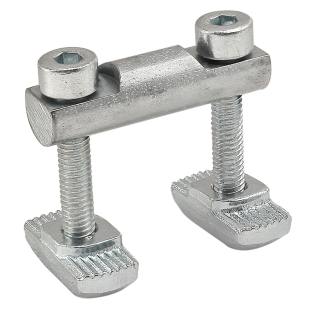
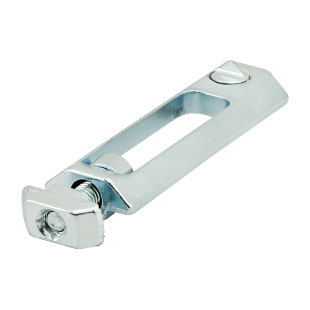
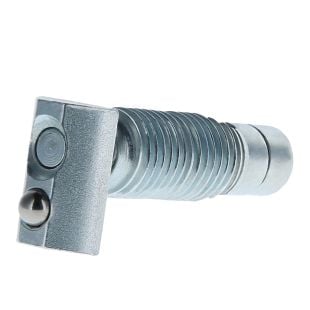
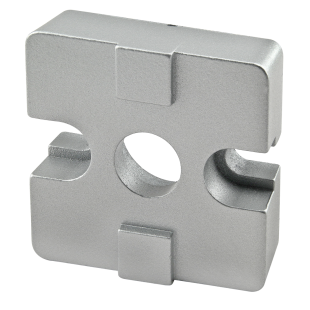
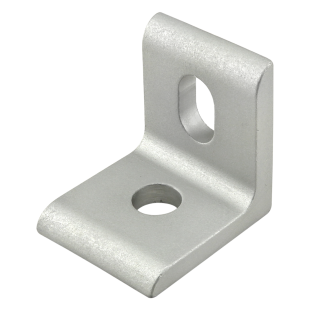
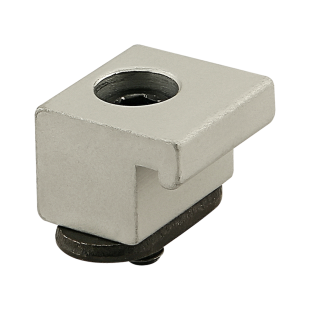
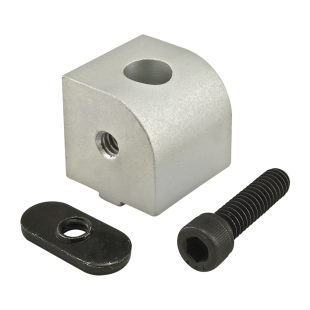
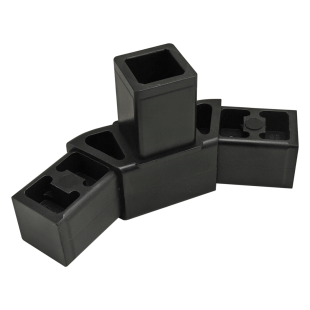
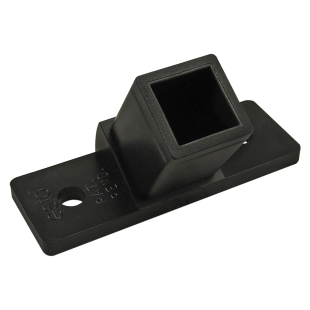
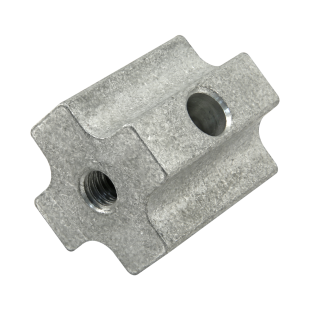
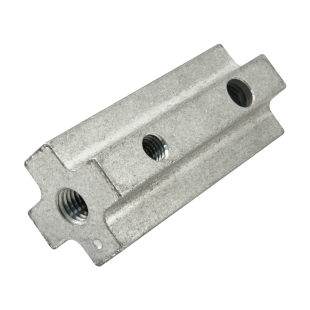
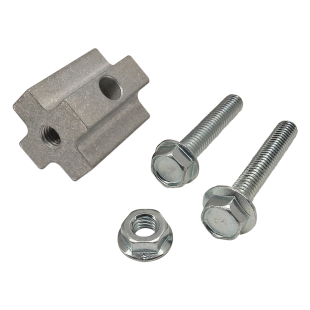
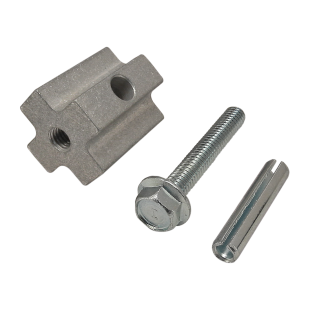
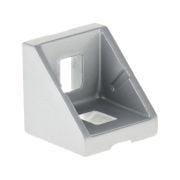
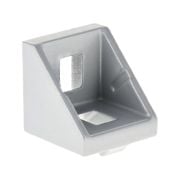
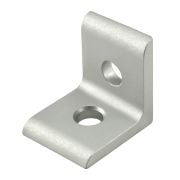
external fasteners. Internal fasteners include anchor fasteners, end fasteners, and butt fasteners, which are inserted into the profile bore to create concealed mechanical connections. External fasteners include joining plates, corner brackets, gussets, pivot joints, and adjustable connectors, which mount to the outer face of the profile for fast installation and easy reconfiguration. 80/20 offers the largest fastener product line in the T-slot industry, with options spanning every profile series in both fractional and metric families.
What is the difference between internal and external T-slot fasteners?
Internal 80/20 fasteners are concealed inside the T-slot profile channel, producing a flush exterior surface with no exposed hardware. They are selected for machine enclosures, cleanroom structures, laboratory equipment frames, and medical device assemblies where smooth, hardware-free surfaces are required. External 80/20 fasteners attach to the outer face of the profile and are selected for industrial workstations, automation cells, safety guarding, and machine bases where structural reinforcement, fast assembly, and future reconfiguration are the priorities. Many 80/20 builds use both fastener types together to balance structural performance and surface cleanliness.
Which fastening method is strongest for aluminum T-slot framing?
80/20
anchor fasteners produce the strongest internal connection between T-slot profiles by creating a rigid mechanical joint inside the profile bore with no external hardware. For applications subject to torsional loads, vibration, or dynamic forces, such as robotic cells, machine bases, and automation frames, 80/20 gusseted corner brackets are added externally to reinforce the joint further. The combination of an anchor fastener with a gusset bracket is the standard high-load configuration for structural 80/20 builds. The optimal fastening approach is determined by load direction, applied forces, and whether the frame requires future reconfiguration.
What are the advantages of external fasteners for 80/20 aluminum extrusions?
80/20 external fasteners, including joining plates, corner brackets, gussets, and pivot connectors, install without profile machining and are reconfigured by loosening T-nuts in the channel without disassembling the frame. They are selected for industrial automation frames, machine guards,
ergonomic workstations, and robotics cells where structural reinforcement at connection points is required and the frame is expected to be modified as production requirements change. External fasteners also support multi-profile intersections and variable-angle assemblies that internal fasteners alone cannot achieve.
Do 80/20 fasteners require machining before installation?
Some 80/20 fasteners require profile end-drilling or cross-hole machining before installation; others install directly into the T-slot channel without modification. External fasteners, including joining plates, corner brackets, and gussets, require no machining and are used when rapid assembly or field reconfiguration is the priority. Internal fasteners, including anchor fasteners and end fasteners, require a counterbore or access hole, which 80/20 provides as a
standard machining service processed before shipment so profiles and fasteners arrive ready to assemble. 80/20 also offers custom machining for non-standard drilling requirements on any profile in the catalog.
What are anchor fasteners used for in T-slot aluminum framing?
80/20 anchor fasteners create strong, concealed 90-degree connections between
T-Slot Aluminum Profiles by engaging inside the profile bore and drawing the joint tight through a single-bolt mechanism. They are selected for machine frames, industrial workstations, automation enclosures, and structural assemblies where a flush exterior surface is required alongside a rigid, mechanically secure joint. Because the fastener hardware is fully internal, the profile exterior retains its T-slot channels on all faces, allowing panels, accessories, and add-on components to be mounted anywhere along the assembled frame.
Are external corner brackets stronger than hidden fasteners?
80/20
external corner brackets and gusseted brackets provide greater resistance to twisting and dynamic loads than internal fasteners alone, because they reinforce the outer face of the connection joint. Internal anchor fasteners produce cleaner aesthetics and strong axial tension at the joint but do not brace the external faces against torsional movement. For heavy-duty structural applications including robotic pedestals, machine bases, and high-cycle automation frames, 80/20 builds use both: anchor fasteners for the internal joint and gusset brackets for external reinforcement. The two fastener types are designed to work together, not as alternatives.
Can T-slot fastening methods be reconfigured after assembly?
80/20 T-slot fasteners are designed for reconfigurability at every stage of a build. External fasteners, including
joining plates, corner brackets, and adjustable pivot connectors, are repositioned by loosening T-nuts in the profile channel without cutting, welding, or replacing any components. Internal fasteners such as anchor fasteners require partial frame disassembly to reposition but maintain a stronger joint than external-only connections. This reconfigurability is a primary reason engineers and operations teams choose 80/20 T-slot aluminum over welded steel for workstations, machine guards, and automation structures that are expected to evolve with changing production layouts.
What fastening method is best for cleanroom or sanitary applications?
Internal 80/20 fasteners are selected for cleanroom, medical, and sanitary environments because they produce smooth exterior surfaces with no protruding brackets, exposed bolt heads, or hardware crevices where contaminants accumulate.
Anchor fasteners and end fasteners are fully concealed inside the profile, leaving a flush, cleanable surface on all four faces of the frame. For medical equipment frames, laboratory structures, and food-processing assemblies built with 80/20, internal fasteners are the standard choice, paired with smooth-faced panels and sealed end caps to complete the enclosure.
What are joining plates used for in aluminum extrusion systems?
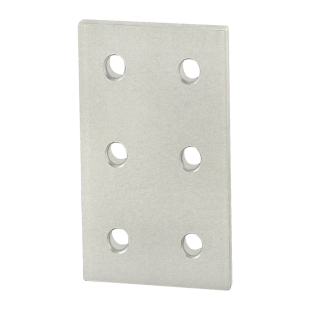
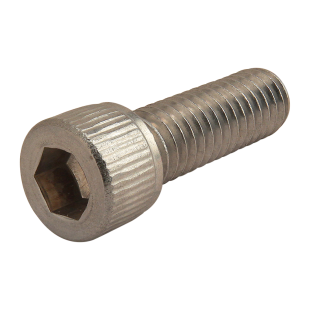
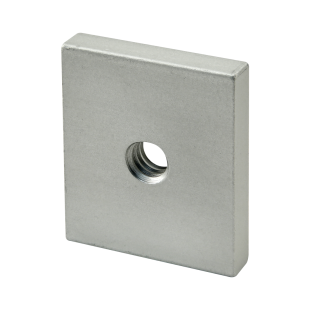
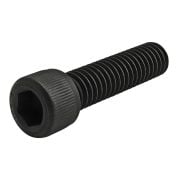
80/20 joining plates are external fasteners designed to reinforce profile connections and increase structural rigidity at frame intersections, equipment stands, and large modular assemblies. They mount directly to the outer face of the T-slot profile using T-nuts and socket head cap screws, requiring no machining.
80/20 joining plates are available in straight, angled, tee, cross, and transition plate configurations, providing a reinforcement option for every connection geometry in a T-slot build. They are selected when additional load capacity or joint stiffness is required beyond what internal fasteners alone provide.
Are variable-angle connectors available for 80/20 aluminum extrusion framing?
80/20
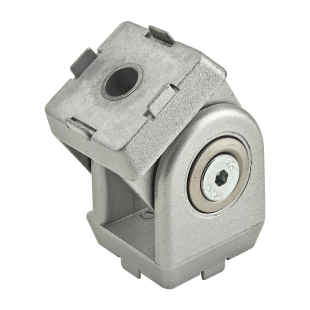
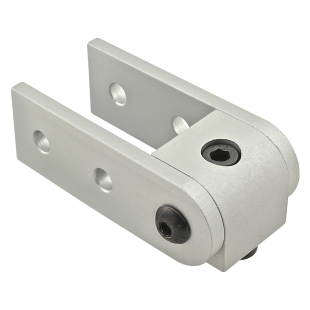
pivot joints and adjustable connectors allow T-slot profiles to connect at custom angles rather than fixed 90-degree intersections. These fasteners are selected for ergonomic workstations, adjustable machine guards, display systems, and custom equipment frames where non-orthogonal geometry is required. Pivot joints mount to the T-slot channel using standard T-nuts and adjust to the required angle before being locked in position. For builds where the angle must remain adjustable after assembly, pivot connectors are paired with external gussets at fixed connection points to maintain overall frame rigidity.
What hardware is commonly used with 80/20 T-slot fastening systems?
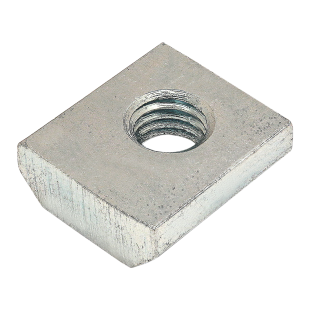
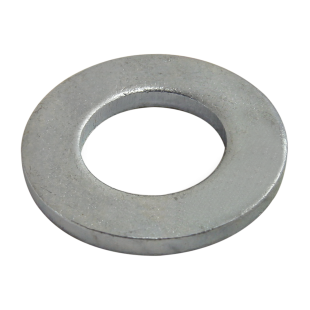
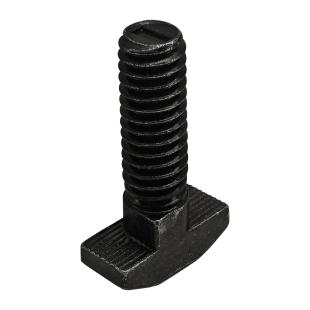
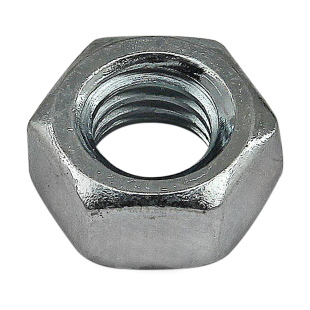
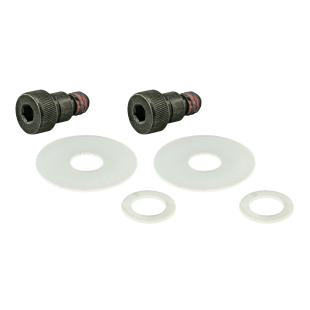
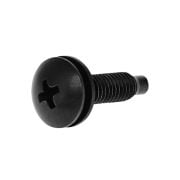
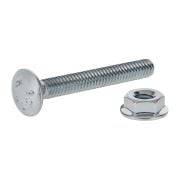
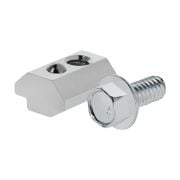
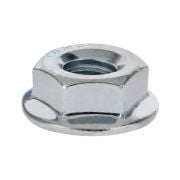
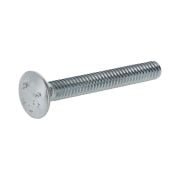
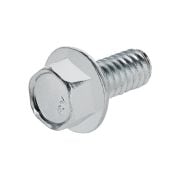
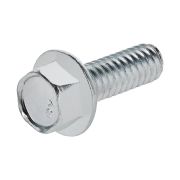
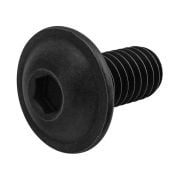
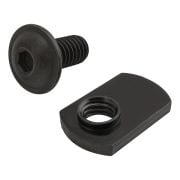
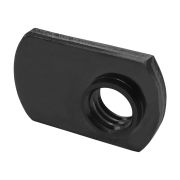
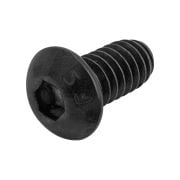
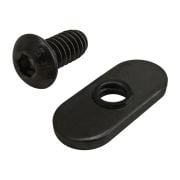
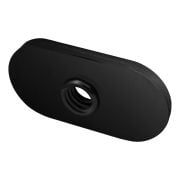
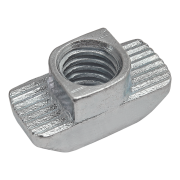
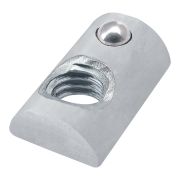
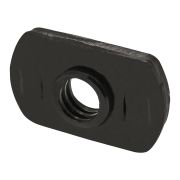
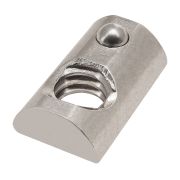
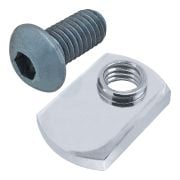
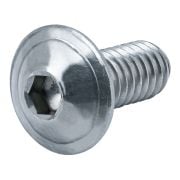
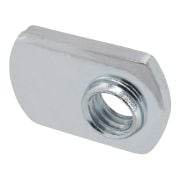
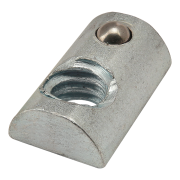
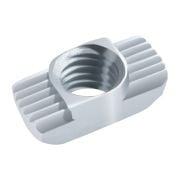
80/20 T-slot assemblies use T-nuts, socket head cap screws, washers, threaded studs, hex nuts, and bolt assemblies as the primary hardware for connecting fasteners to profiles.
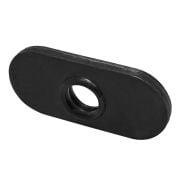
T-nuts slide into the profile channel at any point along its length, providing an attachment point for both internal and external fasteners without requiring pre-drilled holes in the profile face. 80/20 supplies matched hardware kits for each fastener family so that T-nuts, bolts, and fastener components are spec-matched to the profile series being used, eliminating compatibility issues between fastener and profile during assembly.
Can 80/20 aluminum extrusion fasteners support heavy industrial loads?
80/20 T-slot fasteners support demanding industrial applications including automation equipment,
robotic systems, material handling structures, machine frames, and safety guarding when the correct fastener type is selected for the load condition. Load capacity is determined by the profile series, fastener style, connection geometry, and the direction of applied forces. Heavy-load builds use anchor fasteners for internal joint tension, gusseted corner brackets for torsional resistance, and reinforced joining plates at multi-profile intersections. 80/20's deflection calculator and free design assistance service are available to validate fastener selection against load requirements before ordering.
Which fastening method is best for modular machine frames?
Modular 80/20 machine frames are built using anchor fasteners for internal structural joints and external gusseted corner brackets for additional rigidity at high-stress connection points. Anchor fasteners produce flush, hardware-free exterior surfaces that preserve T-slot channel access for panels, cable management, and add-on components.
Gusseted brackets reinforce the outer faces of the joints against torsional and dynamic loads generated by machine operation. This combination is the standard configuration for 80/20 machine frames because it balances structural performance, surface cleanliness, and the reconfigurability needed when machine layouts change.
Are hidden fasteners better for aesthetics?
80/20 internal fasteners produce a cleaner, more professional appearance than external brackets because the connection hardware is fully concealed inside the T-slot profile channel. Anchor fasteners, end fasteners, and
butt fasteners leave no visible bolts, brackets, or protruding hardware on the frame exterior. This design is selected for architectural framing, retail fixtures, office furniture, laboratory equipment, and display systems where exposed connection hardware is unacceptable. When internal fasteners are combined with 80/20 end caps, snap covers, and smooth-face panels, the completed assembly presents a finished surface on all sides with no visible fastener hardware.
How do I choose the right fastening method for my aluminum extrusion project?
Selecting the correct 80/20 fastener is based on four factors:
structural load requirements, surface appearance, reconfigurability, and machining availability. Internal fasteners are selected for clean aesthetics, flush surfaces, and contamination-sensitive environments. External fasteners are selected for fast installation, structural reinforcement, and builds that will be reconfigured as production requirements change. High-load structural builds use both fastener types together. 80/20 provides free design assistance through its specialist team and IdeaBuilder software to help engineers and operations teams select the correct fastener family for every connection in a build before any parts are ordered.