
ESD-Ready vs ESD-Compliant: Compliance Basics

ESD-Ready vs ESD-Compliant: Compliance Basics
The Largest Misconception Concerning ESD Compliance
Whether you are a manufacturer operating within the stringent requirements of the automotive industry, the always quality-driven and safety-focused standards of the aerospace industry, or you are an integrator, manufacturer, or assembler of electronics, being ESD compliant is not a nice-to-have; ESD compliance is an absolute necessity.
Being ESD compliant means your manufacturing facility and assembly-line/production-line workstations and processes adhere to your industry’s most stringent ESD guidelines and standards.
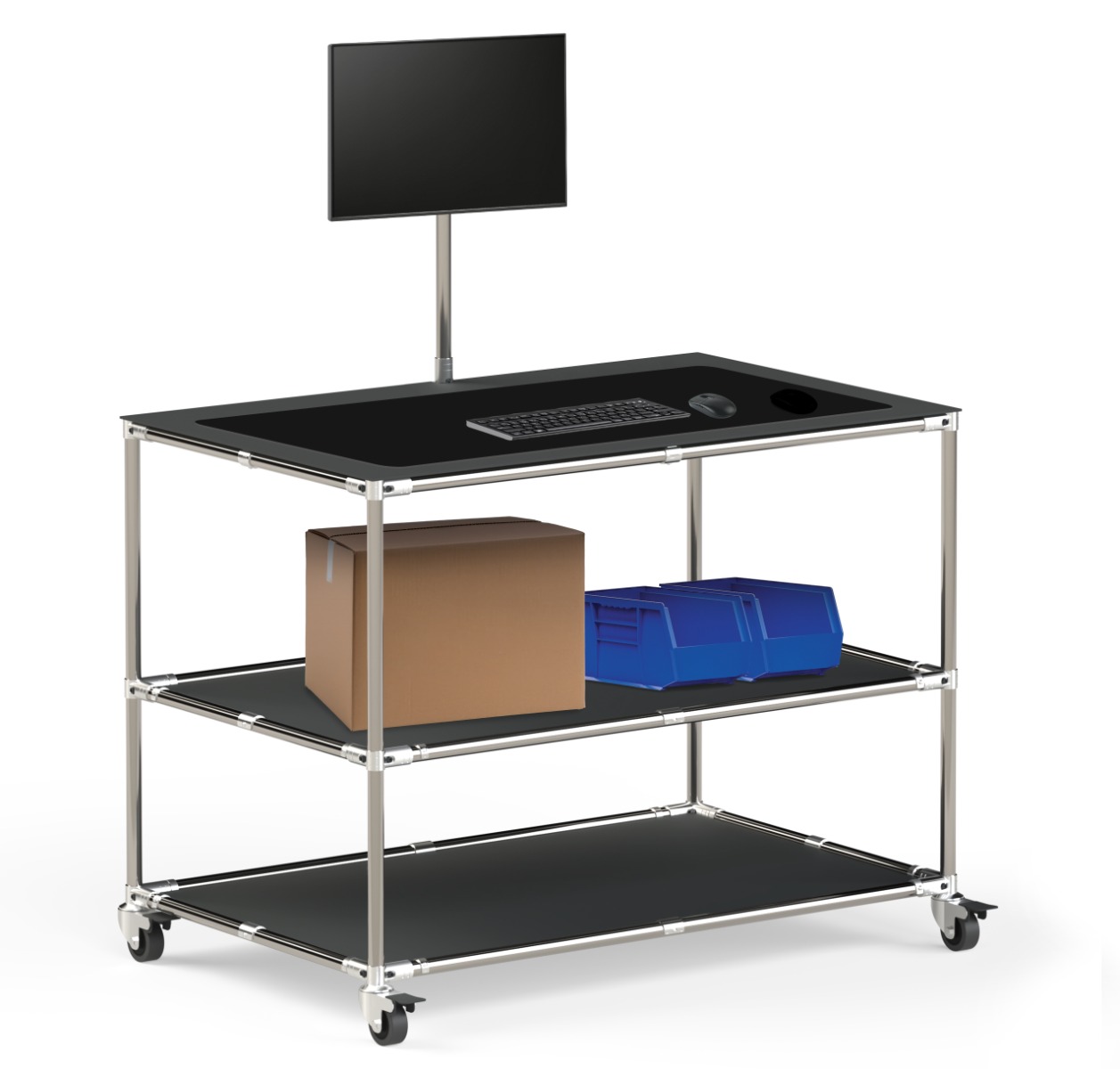
In heavily regulated industries that include electronic assemblies or electronic components, ESD compliance is not simply a matter of using ESD-ready-to-assemble 80/20 materials like fasteners and connectors with the T-slot aluminum profiles.
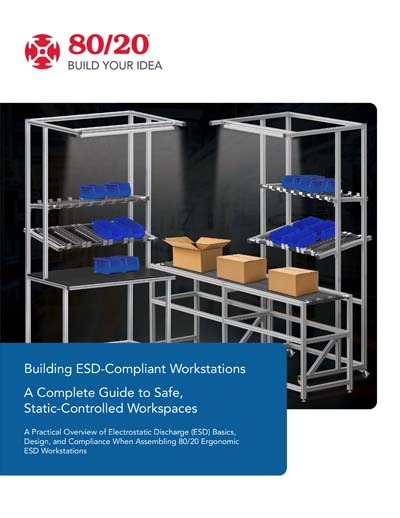
Read More in the ESD-Compliant Workstations Guide
This step-by-step guide outlines how to build ESD-compliant workstations by treating the entire production line as a unified Electrostatic Protected Area (EPA). Achieving compliance requires integrating static-safe materials—specifically dissipative surfaces, personal grounding components and ESD-compliant products. Download the guide and get started.
ESD materials ≠ ESD compliance
What Does ESD-Rated Materials Mean?
ESD compliance starts with using 80/20 ESD-ready materials to build your workstations. These materials meet minimum ESD requirements.
For your specific workstation to be certified ESD-compliant, a third-party testing laboratory, auditor, or authority must come to your facility and independently test your processes and workstations. Only then can your workstation be considered ESD compliant with your industry’s regulatory requirements.
The first thought a manufacturer has when thinking of ESD-ready materials is....
“Haven’t these 80/20 ESD-ready building materials been ESD tested already?”
Yes, they have been tested.
Everything 80/20 provides that is designated as ESD-ready has undergone ESD testing. However, that doesn’t automatically mean these materials make your processes or the 80/20 ergonomic workstations you design and assemble ESD-compliant within your industry.
Ultimately, it’s about understanding the difference between buying and using 80/20 ESD-ready materials, how you assemble your 80/20 ESD ergonomic workstation, the workstation’s location, and your industry’s own ESD compliance verification steps.
What Do 80/20’s ESD Materials Provide a Manufacturer?
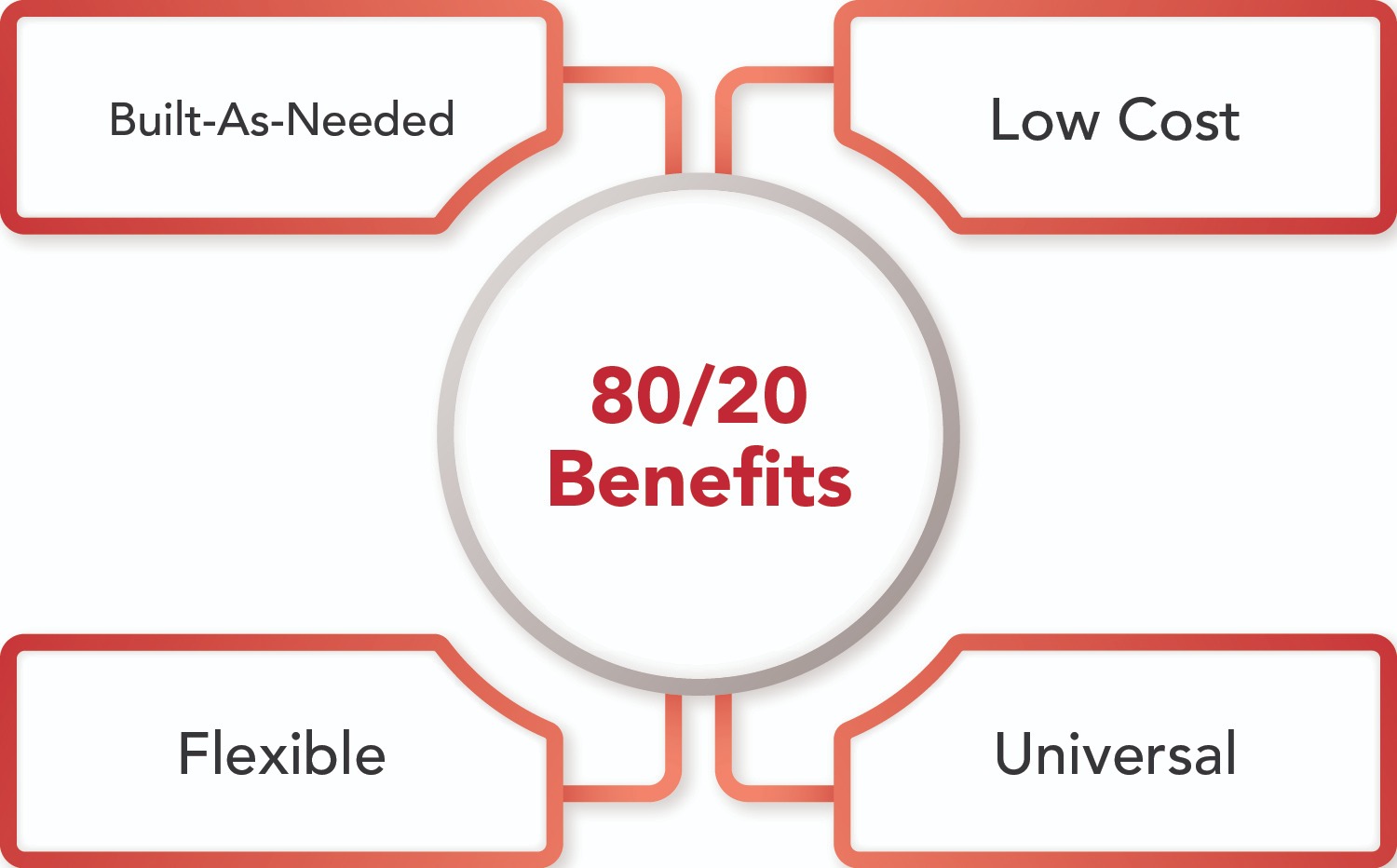
First, it’s important to understand that the materials provided by 80/20 are meant for manufacturers to become empowered by designing, assembling, modifying, and adjusting their material handling structures and workstations as needed. The solution is a “build-as-needed” and “adjust-as-needed” solution.
Second, 80/20’s T-Slot Aluminum Profiles and the entire list of accessories and components dramatically reduce the costs of buying fixed, welded material handling structures and workstations that cannot be changed or adjusted without manufacturers incurring substantial costs.
Third, the 80/20 system is designed for flexibility, modularity, and scalability. You design and assemble whatever workstation or material handling structure you see fit. You change it as needed. No outside parties. No expensive contractors.
Fourth, while the 80/20 system is ideally suited to lean manufacturing environments, it can and is used by multiple types of companies, including distributors, wholesalers, warehouses, assemblers, integrators, and value-added resellers (VARS) within numerous electronics-driven industries.
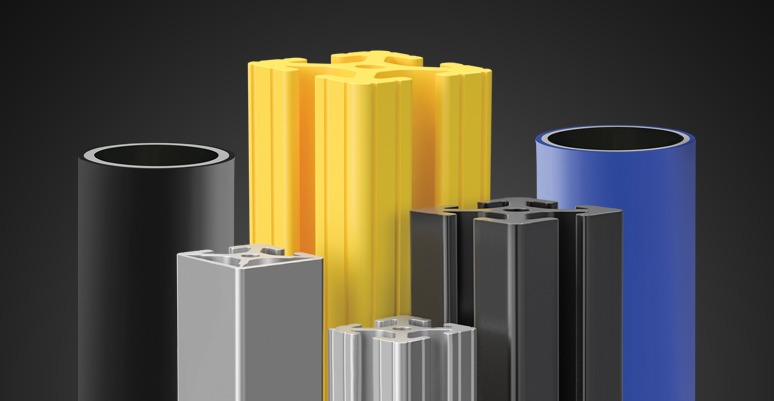
The 80/20 T-Slot Aluminum Profiles and accessories were designed to be paired with dissipative panels that support grounding and static control. These are the essentials of having an ESD-compliant workstation. However, just using these materials to assemble ergonomic workstations doesn’t guarantee ESD compliance.
ESD compliance is defined and measured by the stringent guidelines, requirements, and on-site testing and validation demanded by your industry’s specifications. Those specifications may be deemed essential to operate in your industry, or they may be provided by a stringent requirement as outlined by your largest and most important customers.
In essence, while the T-Slot Aluminum Profiles and accessories provided by 80/20 allow manufacturers to have ESD control, they do not guarantee industry compliance without third-party testing.
An 80/20 ESD Workstation is a System
-
Grounding Paths:
Did you use 80/20 ESD worksurfaces and mats?
-
Assembly Methods:
Did you assemble the 80/20 workstation according to your industry’s ESD guidelines?
-
Flooring:
Does your 80/20 workstation have ESD platforms employees can stand on and 80/20 work surfaces?
-
Footwear:
Do your employees wear steel-toe boots or toe grounders while working inside your 80/20 workstation?
-
Operators:
Do your operators or technicians wear ESD wrist straps?
-
Environmental Conditions:
Did you take steps to ensure your 80/20 workstation is in an environment where dry air doesn’t generate static buildup and the humidity is not a concern?
*Third-party testing is required for ESD certification.
Overview of the Most Common ESD Standards
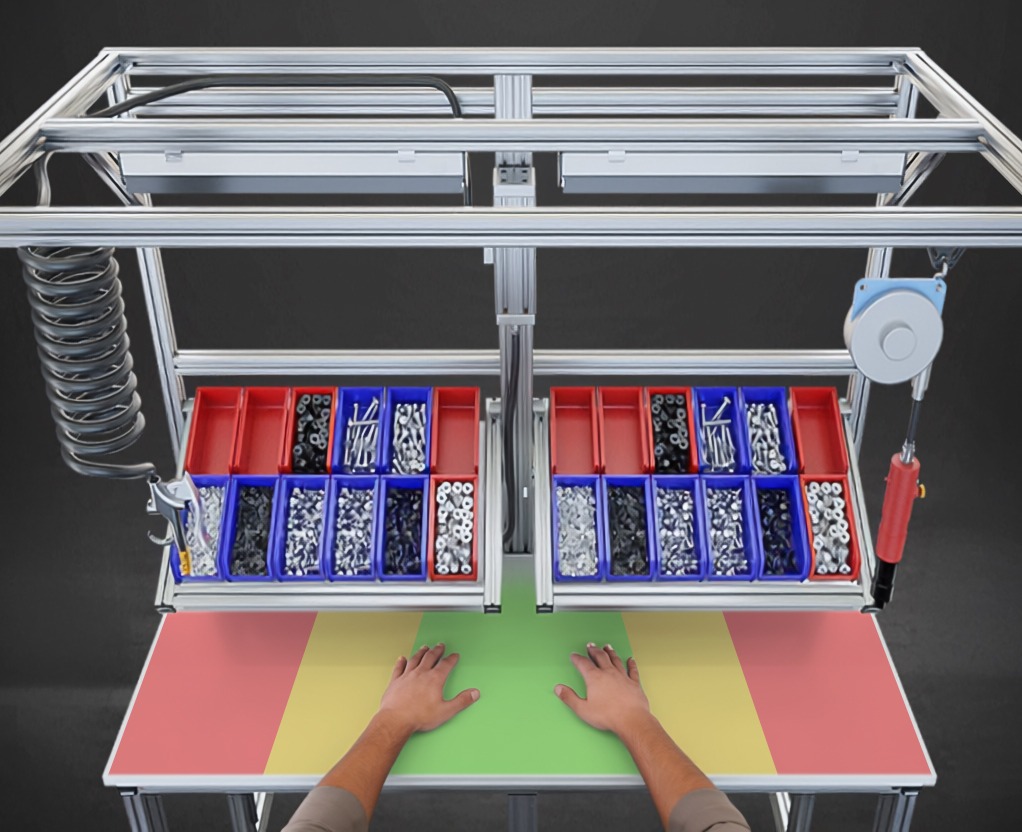
Industries such as the aerospace and automotive industries are heavily regulated. These industries have specific ESD-compliance standards that are considered essential or prerequisites to operating within a supply chain. The electronics industry also has its own set of ESD-compliant guidelines, specifications, and standards.
It is extremely common for companies within these industries to combine universal or common specifications with their own. As such, it is critical to ensure your company understands what those industry requirements are and what your largest customers demand.
ANSI/ESD Association ANSI/ESD S20.20
This specification is widely used within the aerospace and automotive industries, as well as forming the basis for electronics manufacturing. Simply put, ANSI/ESD S20.20 defines the basics of footwear for technicians and employees, the wrist straps they wear, how they handle and work on electronics within a given workstation, and the work surfaces in those workstations, the importance of proper grounding, and how to test each individually and as a complete system.
International Electrotechnical Commission IEC 61340-5-1
The IEC 61340-5-1 specification is an international one. Its purpose is to help companies understand and test for static electricity and to guard against it during the manufacturing, assembling, testing, and shipping processes. As such, it does cover the importance of grounding within a workstation in addition to wrist straps, flooring, and footwear, etc.
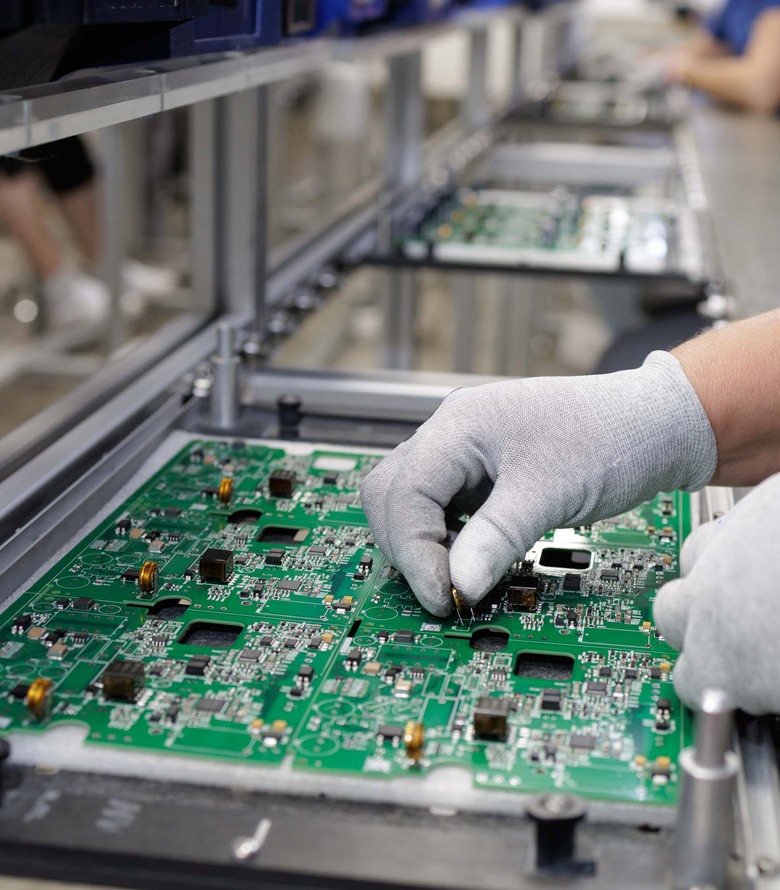
A complete 80/20 ESD workstation that has been independently tested for ESD-compliance by a third-party is one where all the employees are wearing the proper gear, the 80/20 work surfaces have been tested, and the entire production line has been certified.
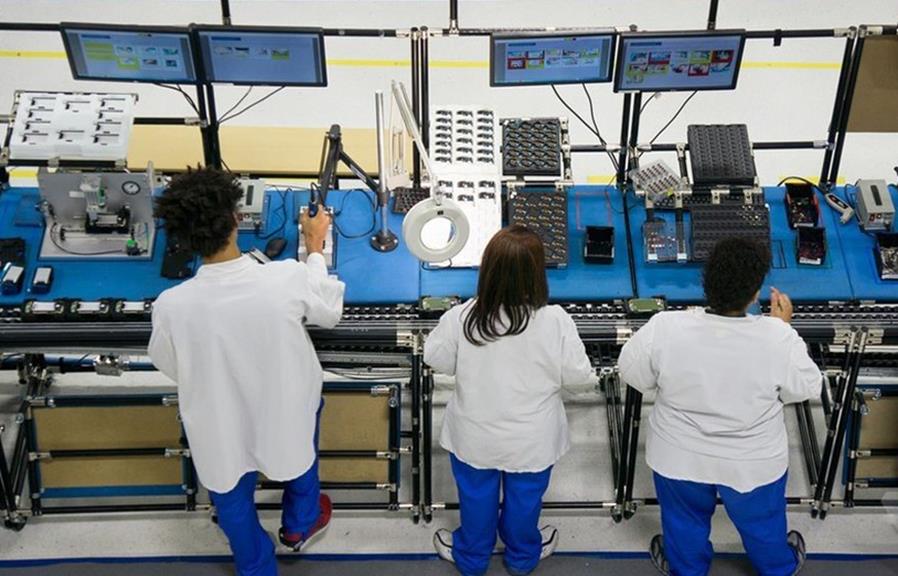
The Importance of Third-Party, ESD Testing Labs
In the end, buying ESD-ready materials from 80/20 to assemble ergonomic workstations is not enough. To be fully ESD-compliant requires a third-party testing company or laboratory that comes to your manufacturing facility or company and does on-site resistance and grounding measurements.
The goal of third-party testing is to certify that the entire workstation system is ESD-compliant. This means performing the aforementioned resistance and grounding measurements,
as well as validating the environment in which the workstation is located.
The frequency of these on-site ESD compliance tests is driven entirely by the industry you operate in and the customers you serve. As such, it’s common for a manufacturer in the aerospace, automotive, and electronics industries to require multiple ESD compliance tests to validate industry and customer requirements.
When Third-Party ESD Testing is Absolutely Required?
There are several situations where third-party ESD compliance testing could be triggered within your industry.
-
Heavily regulated industry requiring annual or semi-annual ESD-compliance testing.
-
New Customer (OEM) with customer-specific ESD-compliance requirements.
-
Existing Customer (OEM) that has awarded your company a new project or program.
-
Your company is opening an entirely new manufacturing facility.
-
Your company is opening a new production line in an existing manufacturing facility.
-
Your company changes processes.
-
Your company adjusts or modifies an existing production line with existing 80/20 workstations.
-
Your own internal QC audits.
-
Several other triggers not mentioned here.
Material Compliance, Third-Party Verified
The best way to eliminate any confusion concerning ESD-ready components and an ESD-compliant workstation is to understand that buying ESD-ready building materials and accessories from 80/20 is the all-important first step, but not the final step.
Buying the right materials is one thing, but how you assemble them, ensure your workstation adheres to ESD requirements, and having a separate third-party testing authority test your workstations ultimately determines whether your 80/20 workstations and processes are ESD-compliant.
In the end, a third-party verification and testing are as critical as the building materials you buy and how you set up and assemble your workstation.
-
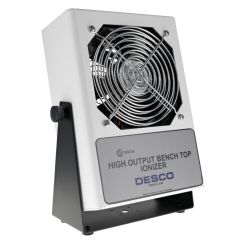 12336
12336High Output Benchtop Ionizer, 120VAC
-
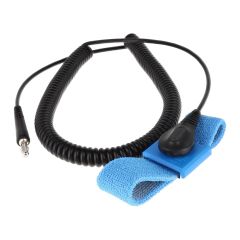 12334
12334Adjustable Wrist Strap with 6’ Coil Cord - ESD
-
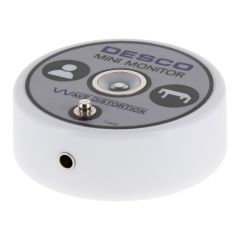 12333
12333Mini Monitor - ESD
-
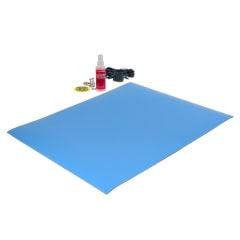 12337
12337Dissipative Dual Layer Rubber Mat Top Kit - ESD
-
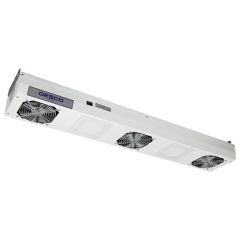 12335
12335Overhead Ionizer with Light, 3-Fan, 120VAC
-
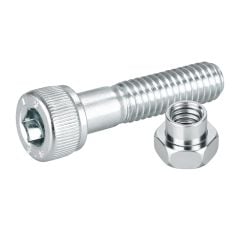 M6-25BNWZ
Bolt & Nut for Joint Sets - M6 x 25mm SCS with M6 Nut - White Zinc
-
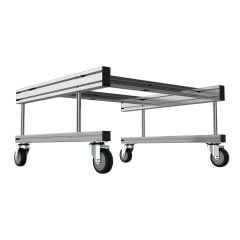 40300-MR-600
AMR Cart for MiR 250 Robot
-
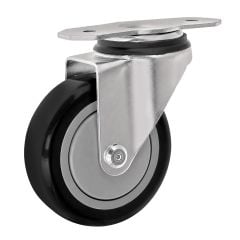 2331
23314” ESD T-Slot Mount Swivel Caster
-
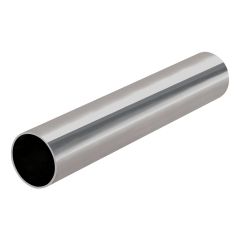 EP-96-ST11Stainless 8 ft Steel Pipe 1.1 mm Thick ESD
 -
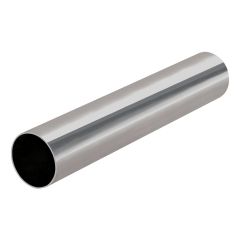 EP-157-STStainless 4 m Steel Pipe ESD
 -
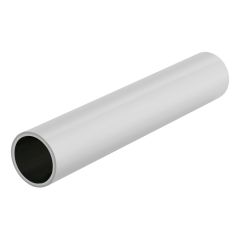 EP-96-LGRLight Gray 8 ft PE Coated Steel Pipe ESD
 -
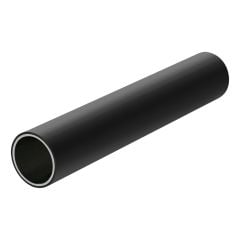 EP-96-BK
Black Polyethylene Coated Steel Pipe (ESD)
-
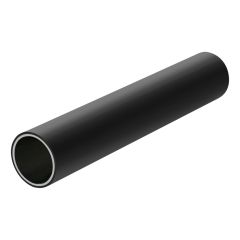 EP-157-BKBlack 4 m PE Coated Steel Pipe ESD
 -
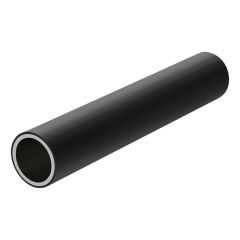 SEP-96-BK
Black Polyethylene Coated Steel Pipe (ESD)
-
 2649
2649ESD Polycarbonate Panels" .177" Thick, Clear
-
 65-2649
ESD Polycarbonate Panels: 4.50mm Thick, Clear
-
 65-2648
ESD Polycarbonate Panel: 6.0mm Thick, Clear
-
 2648
2648ESD Polycarbonate Panel: .220" Thick, Clear
-
 65-2627
UHMW-ESD Panel: 6.35mm Thick, Black
-
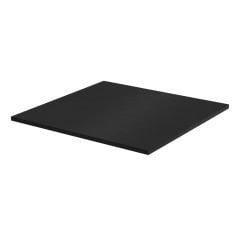 2627
2627UHMW-ESD Panel: .250" Thick, Black
80/20 – Your ESD-Ready Material Provider and Partner
The 80/20 system is depended upon by manufacturers worldwide. The T-Slot Aluminum Profiles, fasteners, nuts, bolts, casters, LED lighting, racking, work surfaces, and all other accessories comprise one complete system that allows companies to design, assemble, and modify their workstations and material handling systems as needed.
To ensure customers have the very best parts and service possible, the 80/20 team provides insight, guidance, and a consultative, solutions-focused approach.
To find a local distributor to come to your site and showcase what’s possible with 80/20, go to our distributor lookup.
To benefit from 80/20’s in-house design assistance team, please visit design assistance.
From an exceptional distribution network, an in-house design team that is ready and able to assist, to our always easy-to-use IdeaBuilder™ – a free, web-based, stand-alone design tool requiring no download or plugins – you have a complete solution with 80/20.