
Quick Guide to T-Slot Fasteners for Industrial Applications

Guide to T-Slot Fasteners for Industrial Solutions
The industrial fasteners you choose for your T-slot framing project can make or break your entire build. While facilities managers and engineering teams can spend hours thinking about T-slot layout and design, they often overlook these small yet critical components.
But hardware choices matter: They have a direct influence on T-slot system performance and safety. Every connection point impacts stability and reliability. No matter how rugged your aluminum profile is, it may fail if it’s held together by the wrong fasteners.
Choosing the right type of industrial fastener, and installing it correctly, ensures that your T-slot designs come together quickly, remain structurally strong, and can adapt seamlessly as needs change. To deliver consistent quality and assembly, 80/20 designs its fasteners to precise specs for every T-slot system.
This quick guide covers what you need to know about fasteners for industrial applications, including what types of industrial fasteners are available, how to pick the right one, and how to install them correctly.
The Importance of Fasteners in Modular T-Slot Construction
Industrial fasteners act as the structural backbone of your modular T-slot system: They join aluminum profiles and accessories to form a strong framework.
Because they aren’t welded or permanent, these fasteners support modularity. They allow T-slot aluminum profiles and components to be securely connected and repositioned over and over again with accuracy and efficiency.
They’re also simple to install, often requiring no special tools, skills, or fabrication.
Fasteners for industrial applications can include a variety of nuts, bolts, and connectors that work together to create structures like workstations, machine guards, and carts and enclosures. Every 80/20 fastener type is engineered for specific operational loads and applications. For example, some fasteners provide strength and rigidity for load-bearing joints, while others are made to support infinite positioning of components anywhere along the T-slot profile.

Types of Industrial Fasteners: Internal and External
Industrial fasteners are typically available in two categories: internal fasteners and external fasteners. Each offers a different way to connect components in modular T-slot design and assembly.
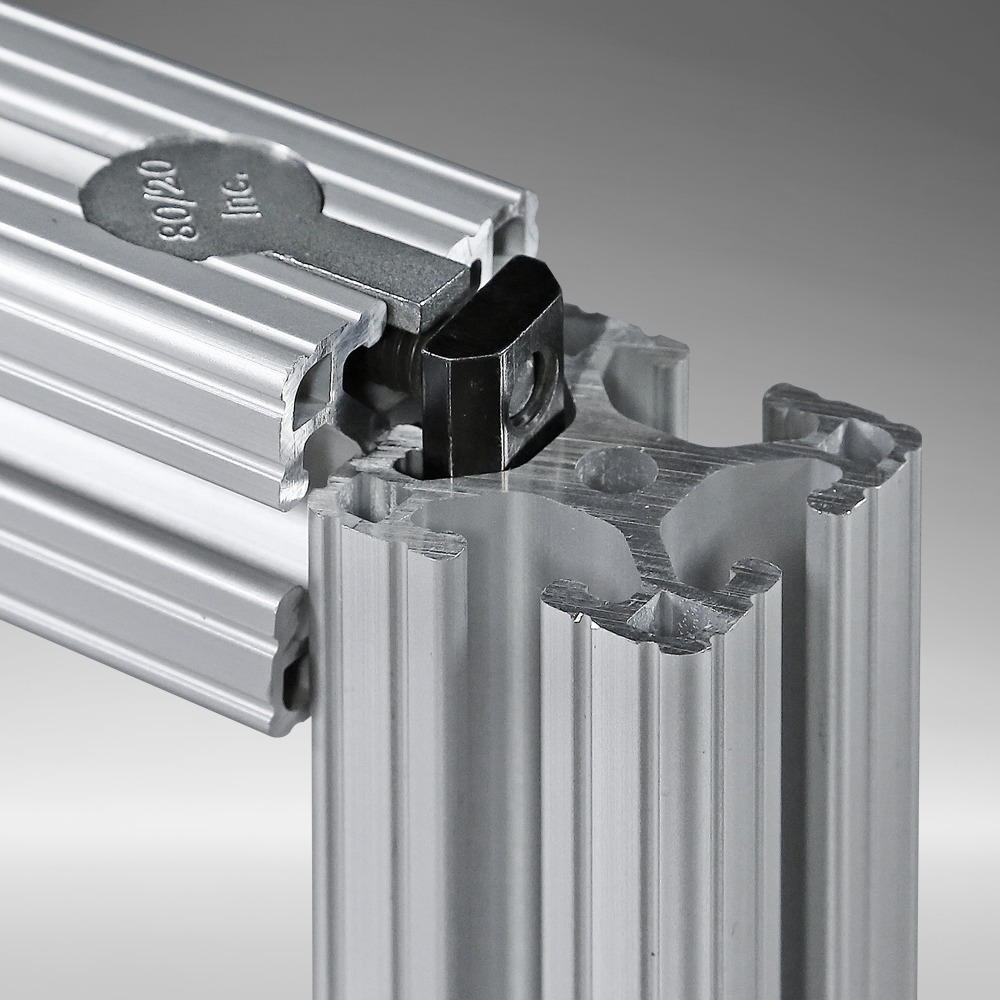
Get to Know Internal Fasteners
Like their name implies, internal fasteners are installed “inside” the aluminum T-slot channel. As a result, internal fasteners create flush, hidden connections and maintain a smooth exterior profile.
This type of fastener can be perfect for environments that call for a uniform appearance, easy cleanability, or contamination control, such as in office areas, retail displays, laboratories, cleanrooms, medical enclosures, or food-prep areas.
These types of fasteners include options like:
-
Anchor fasteners
-
Bolted connectors
-
Butt fasteners
-
End fasteners
-
Inside corners
-
Milling connectors
-
T-Matic connectors
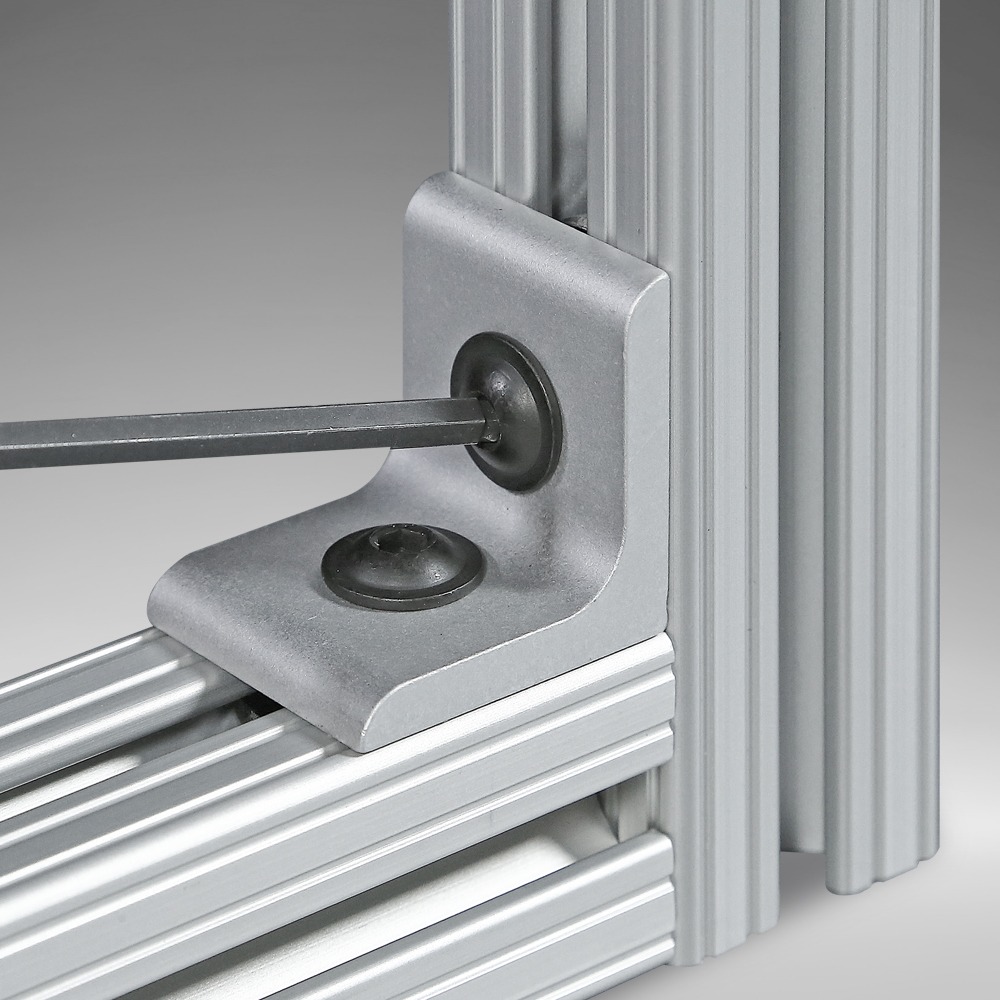
Get to Know External Fasteners
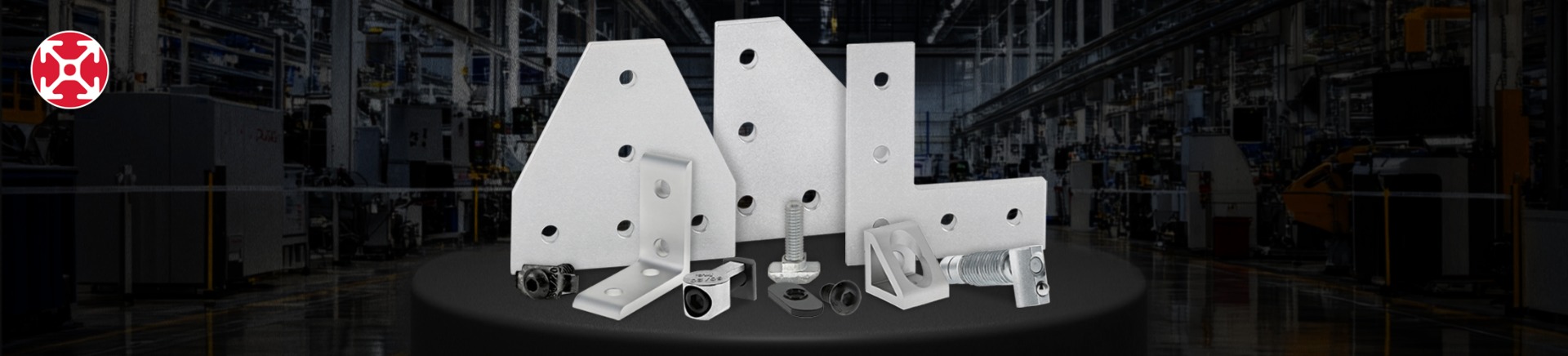
External fasteners mount to the outside of the T-slot channel, which means the connections are always visible.
They’re typically fast to install and adjust, making them perfect for environments where quick access and reconfiguration are a priority, such as in machine frames, automation cells, and material handling carts.
These types of fasteners include options like:
-
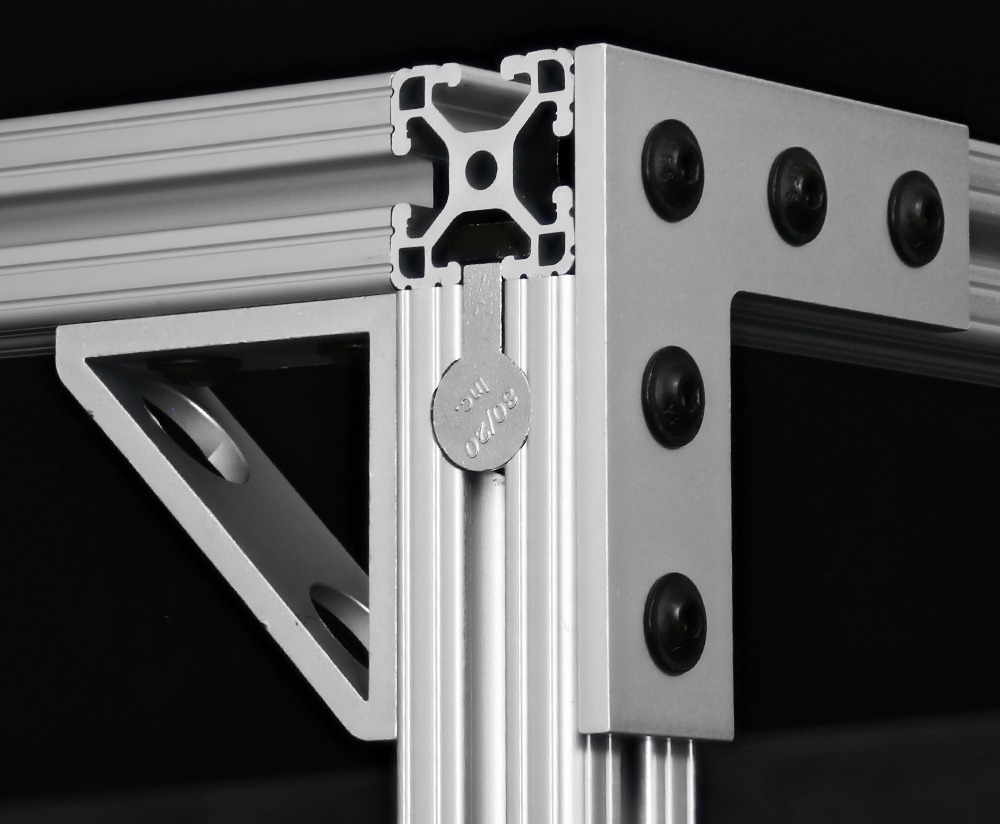
Brackets/gussets
-
Flat joining plates
-
3-way corner connectors
-
45-degree supports
-
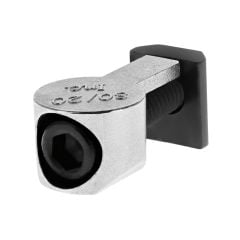 3360
336015 Series 5/16-18 Standard Anchor Fastener Assembly
-
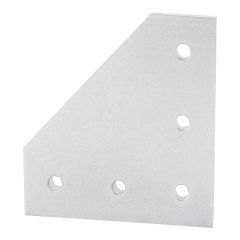 4351
435115 Series & Ready Tube 5 Hole - 90 Degree Angled Flat Plate
-
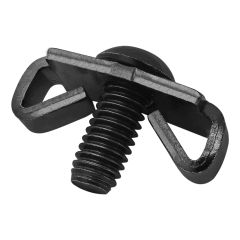 3380
3380Standard End Fastener, 5/16-18
-
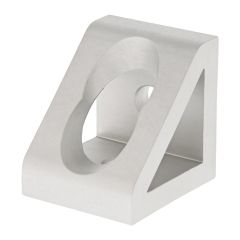 4332
433215 Series & Ready Tube 2 Hole - Gusseted Inside Corner Bracket
-
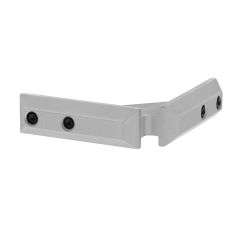 3364
336490 Degree Inside Corner Connector
-
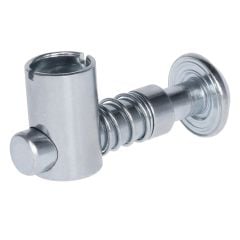 13201
13201Central Connector: Universal Orientation
-
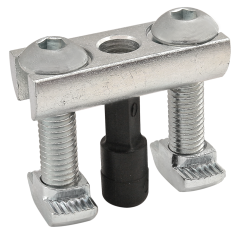 1319045 Series Bolt Connector
 -
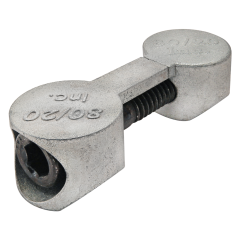 337015 Series 5/16-18 Butt Fastener
 -
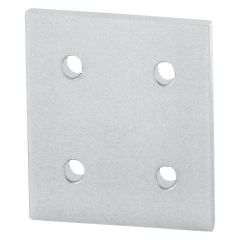 4367
436715 Series & Ready Tube 4 Hole - Square Flat Plate
-
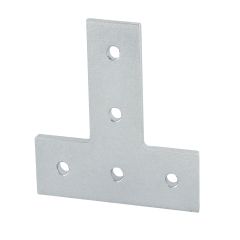 4480
448015 Series 5 Hole - "T" Flat Plate
-
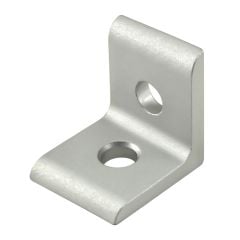 4119
411910 Series 2 Hole - Inside Corner Bracket
-
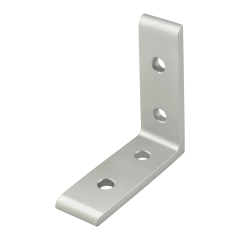 410110 Series 4 Hole - Tall Lite Inside Corner Bracket
 -
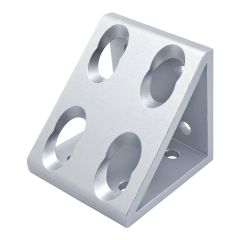 4338
433815 Series 8 Hole - Gusseted Inside Corner Bracket
-
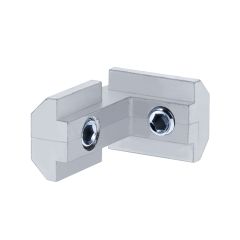 33450
33450Hidden Corner Connector: Inside-Inside
-
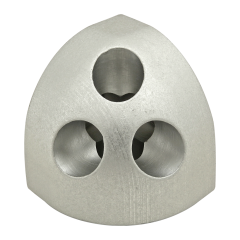 4441
444115 Series 3 Way - Rounded Corner Connector
-
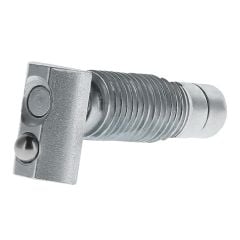 14197
1419715 & 40 Series T-Matic Connector
-
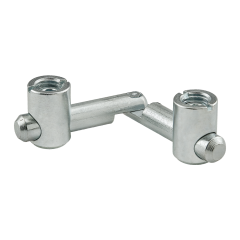 13193Miter Connector
How to Choose the Right Type of Industrial Fastener
Choosing the right industrial fasteners is a crucial step in making sure your modular T-slot frame system performs as you expect in terms of functionality, durability, and reliability.
How do you go about choosing the right industrial fasteners? It depends on factors like:

Load Requirements
How much weight does the fastener need to handle? Different fasteners are engineered for different load ratings.

Aesthetics
Do you prefer a visible or invisible connection? While some fasteners install within the T-slot, others do not.

Reconfigurability
Will you want to inspect, adjust, or move these fasteners later? Certain types of fasteners for industrial applications allow for easier repositioning down the road.

Space
Is there enough room around the profile to accommodate fastener installation? Tight clearances can make it difficult to use certain types of fasteners or tools.

Assembly
Do you want a fastener that installs with common tools and minimal prep? Some options may require machining, while others can simply be dropped into place.

Environment
Where will the T-slot system be used? Choose fasteners made with materials and finishes that are suitable for your site’s conditions.
Best Practices for Installing Industrial Fasteners
Selecting the right fastener is only one part of the equation. Once you’ve decided how to choose industrial fasteners for specific applications, proper installation is the next step in ensuring structural integrity, safety, and proper performance of your T-slot system.
For optimal results, 80/20 recommends these best practices for installing industrial fasteners in commercial and industrial environments.
Do Proper Prep Work
Starting with a properly prepped surface results in better connections that stay in place longer. Before assembly begins, confirm that your T-slot aluminum profiles and channels are ready to go. This means making sure they’re clean and aren’t covered in debris, dust, or oil that could interfere with fastener installation.
Precisely Align Components
Alignment matters when working with industrial T-slot fasteners. Proper alignment makes sure joints remain tight and can transfer loads as designed.
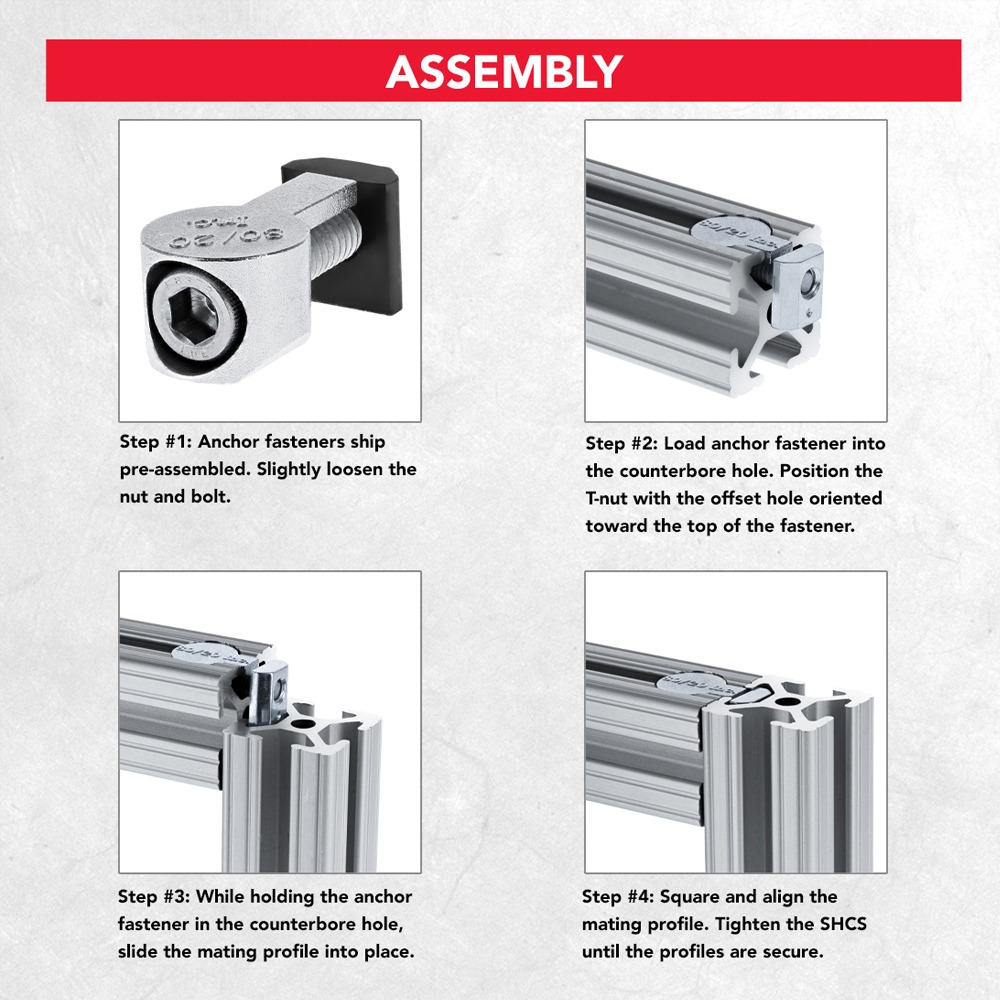
Carefully position (or seat and turn) all nuts, bolts, and connectors before you begin to tighten them. If connectors aren’t properly aligned first, failure can result. Misaligned frames caused by improper connections can create gaps or uneven joints that lead to twisting or binding. Uneven stress distribution across the aluminum profile can make fasteners loosen over time, compromising integrity.
Abide by Torque Specifications
When you’re tightening fasteners, follow manufacturer recommendations for torque values. Otherwise, over- and under-tightening can damage T-slot profiles or cause fasteners to failure.
Inspect Fasters After Installation
Once fasteners are in place, check to make sure they’re fully engaged and secure.
To make sure connections continue to stay tight, be sure to periodically recheck them, especially when vibration or repeated loads are present. This can also help you catch small issues before they turn into big problems; this maintains long-term system integrity.
Explore Fasteners from 80/20
No matter what you’re building—a machine guard, workstation, enclosure, or production line—our internal and external fasteners can adapt to any layout or design. They also reduce the complexity and downtime that are common with more traditional types of fasteners.
80/20 fasteners for industrial applications are engineered to make your modular systems strong without compromising the freedom to adapt, expand, and adjust as your needs change.
Learn more about 80/20 fasteners.