
Why Modular Systems Are Built for Change
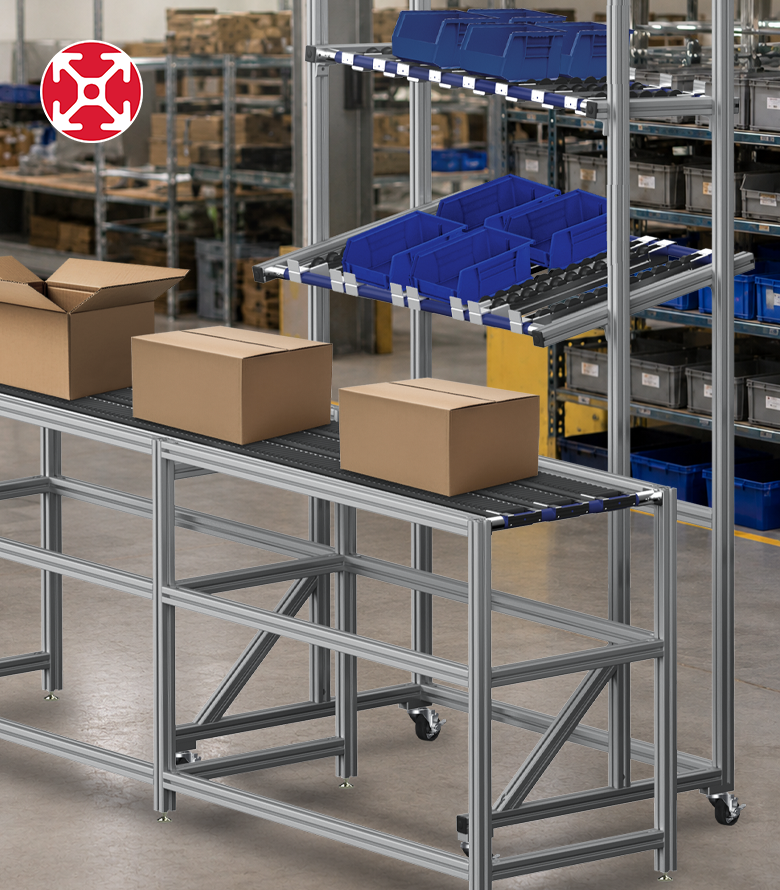
Why Modular Systems Are Built for Change
Most companies do not stand still. Products evolve. Equipment changes. Processes improve. Layouts shift. Safety needs grow. What worked six months ago may not fit with what is needed now.
That is why modular systems matter. A modular system is not just useful because it can be assembled. It is valuable because it can adapt. That difference matters most in environments where change is not an exception, it is part of how the business operates.
For engineers, that means designing with fewer dead ends. For operations leaders, it means responding to change without constant disruption. For lean and continuous improvement teams, it means improvements are easier to apply, sustain, and build on over time.
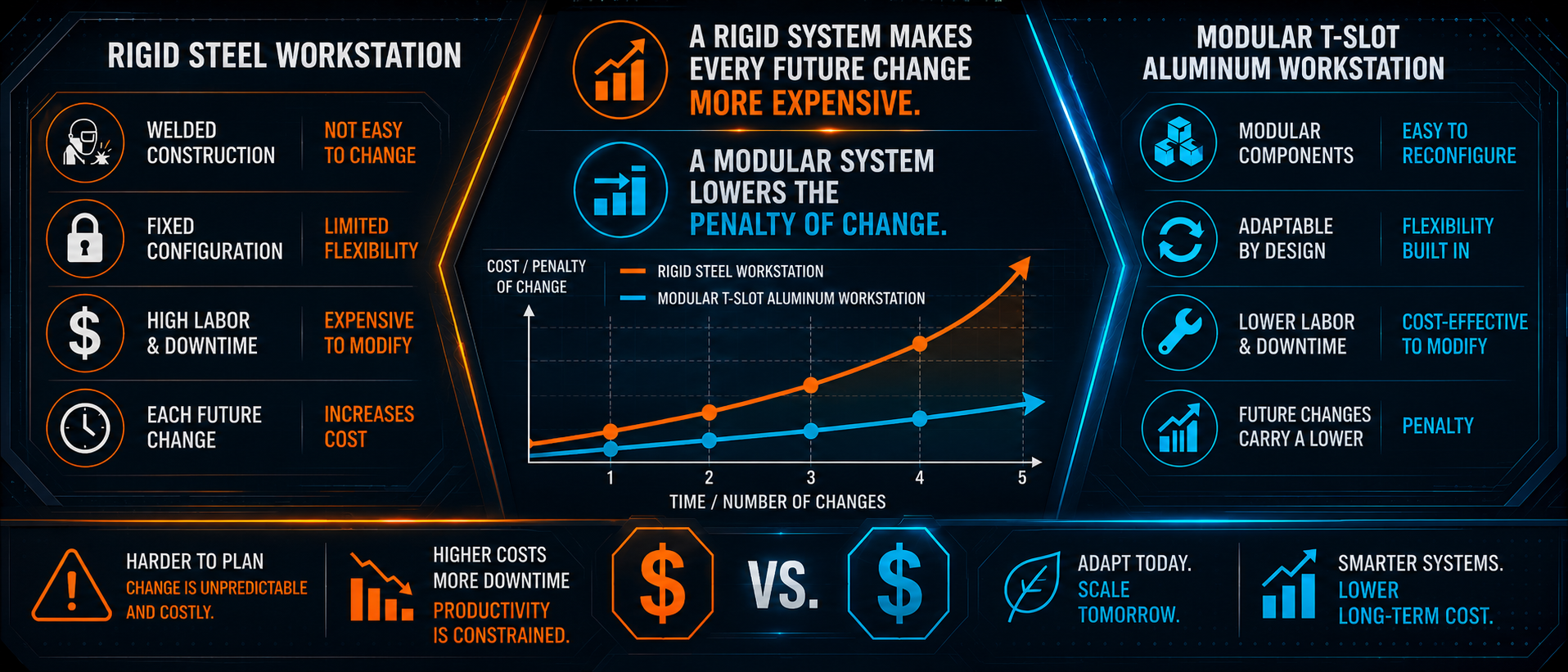
The bigger idea is simple: a rigid system makes every future change more expensive. A modular system lowers the penalty of change.
What Happens If a System Can't Adapt?
This is where many teams run into trouble.
A fixed structure gets installed and works well at first. Later, the process changes. A scanner needs to be added. Access needs to improve. Guarding needs to be extended. Mounting points need to be updated. None of those changes are major on their own, but together they become a larger project because the original system was not built to adapt.
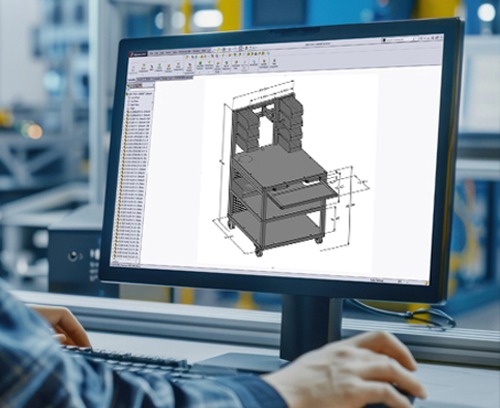
That is one of the clearest reasons modular systems create value. They make it easier to absorb change without treating every update like a redesign. If you want to explore how that kind of challenge could be approached differently, design assistance is a practical place to start.
Change Affects Engineering Time
One of the first places rigidity shows up is in engineering work.
A structure is designed for one configuration, then the requirements shift. A frame needs another accessory. A support structure needs a mounting point. A test stand becomes a long-term production asset. A prototype needs to evolve into something more permanent.
At that point, the cost is not just in the hardware. It is in engineering attention.
When fixed systems need to be reworked, engineering teams spend time revisiting assumptions, adjusting legacy structures, and solving problems that exist only because the original system could not evolve. That slows down new work and pulls skilled resources into adaptation instead of progress.
That is where modular systems create value. They help preserve engineering capacity for higher-value work by making change easier to absorb within the system itself.
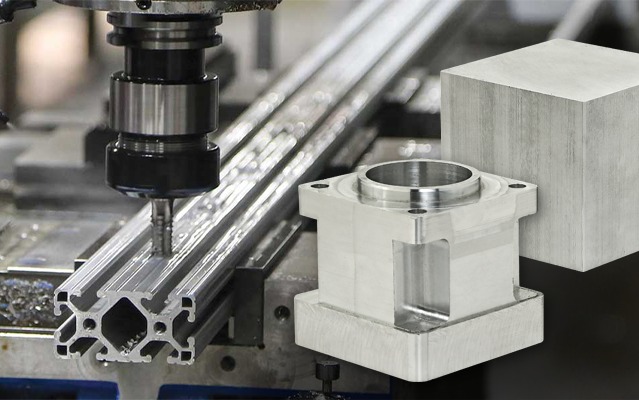
This is often where companies see modular systems make an immediate difference:
• modular machine frames that need to evolve
• prototypes that need to scale
• test stands that require additional functionality
• T-slot aluminum framing that needs future mounting, guarding, or integration points
The value is not just “easier modification.”
It is protecting engineering time from being consumed by avoidable redesign work.
When Change Affects Installed Assets
Another hidden cost of rigidity is how quickly it shortens the useful life of installed assets.
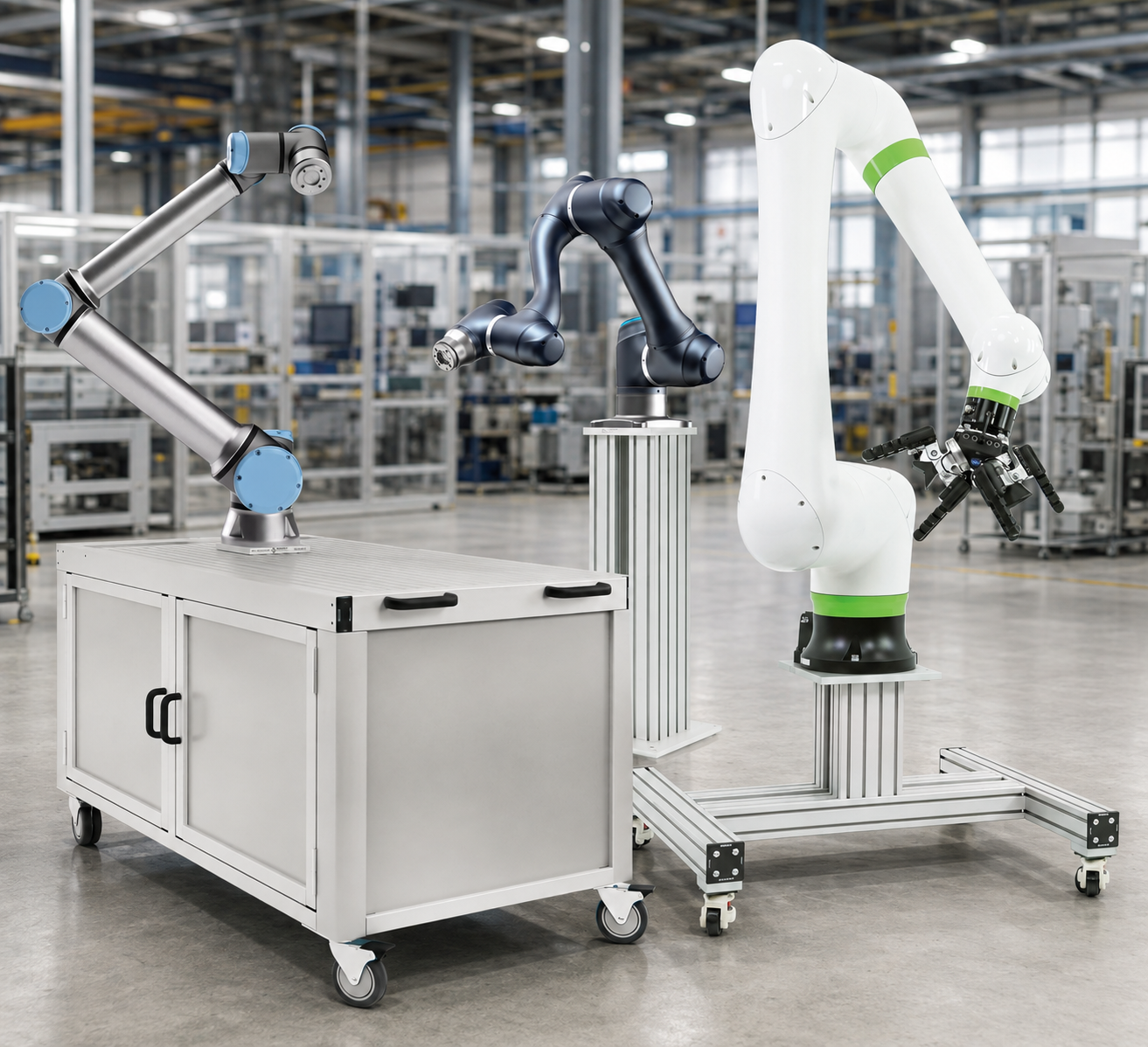
• A robot pedestal may still be structurally sound, but no longer fit the cell.
• A guard may still work, but no longer fit the updated layout.
• A support structure may still be usable, but require more effort to adapt than to extend or reconfigure.
That is where companies start losing value from systems that should still have more life in them.
Modular systems change that equation. Because they can be adjusted, extended, or reconfigured, they help companies get more value from the assets they have already put in place.
That can matter across:
• automation cells
• cobot support structures
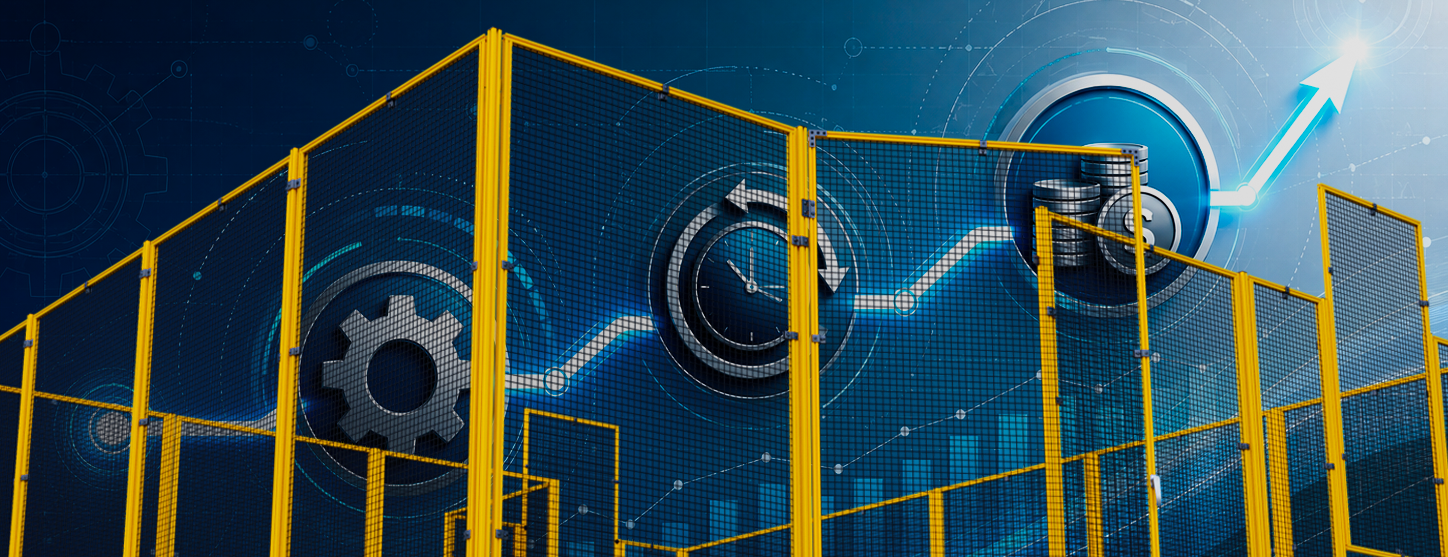
• modular guarding
• machine guarding and enclosures
• facility barriers and partitions
• engineered frames and mounting structures
The business impact here is not just flexibility. It is asset longevity.
A system that can evolve with changing requirements can continue delivering value longer. That means fewer premature replacements, more reuse, and better return on the original investment.
When Change Affects Operational Continuity
Operations rarely suffer because of one major change. More often, they suffer because every small change becomes a project.
A process shifts.
A station needs to move.
A piece of equipment gets added.
A safety change needs to be addressed.
A team wants to improve one area.
In a rigid environment, those changes tend to trigger a familiar cycle: planning, workaround discussions, fabrication, installation coordination, disruption, and lost time. Even when the change itself is relatively small, the effort around it becomes disproportionately large.
That is where modular systems create one of their biggest advantages: they make it easier to absorb change without turning every change into a disruptive project.
That matters because operational continuity is rarely protected by avoiding change. It is protected by making change easier to handle.
When systems are built to adapt, teams can:
• respond faster to evolving needs
• make adjustments with less coordination overhead
• reduce the burden of small changes on daily operations
• avoid unnecessary work when the goal is to improve one area
The real value is not just reduced disruption. It is a more resilient operation—one that can continue moving while adapting.
That is an important difference.
A rigid system forces the business to stop and reorganize around change.
A modular system makes it easier for the business to keep moving through change.
When Change Affects Improvement Momentum
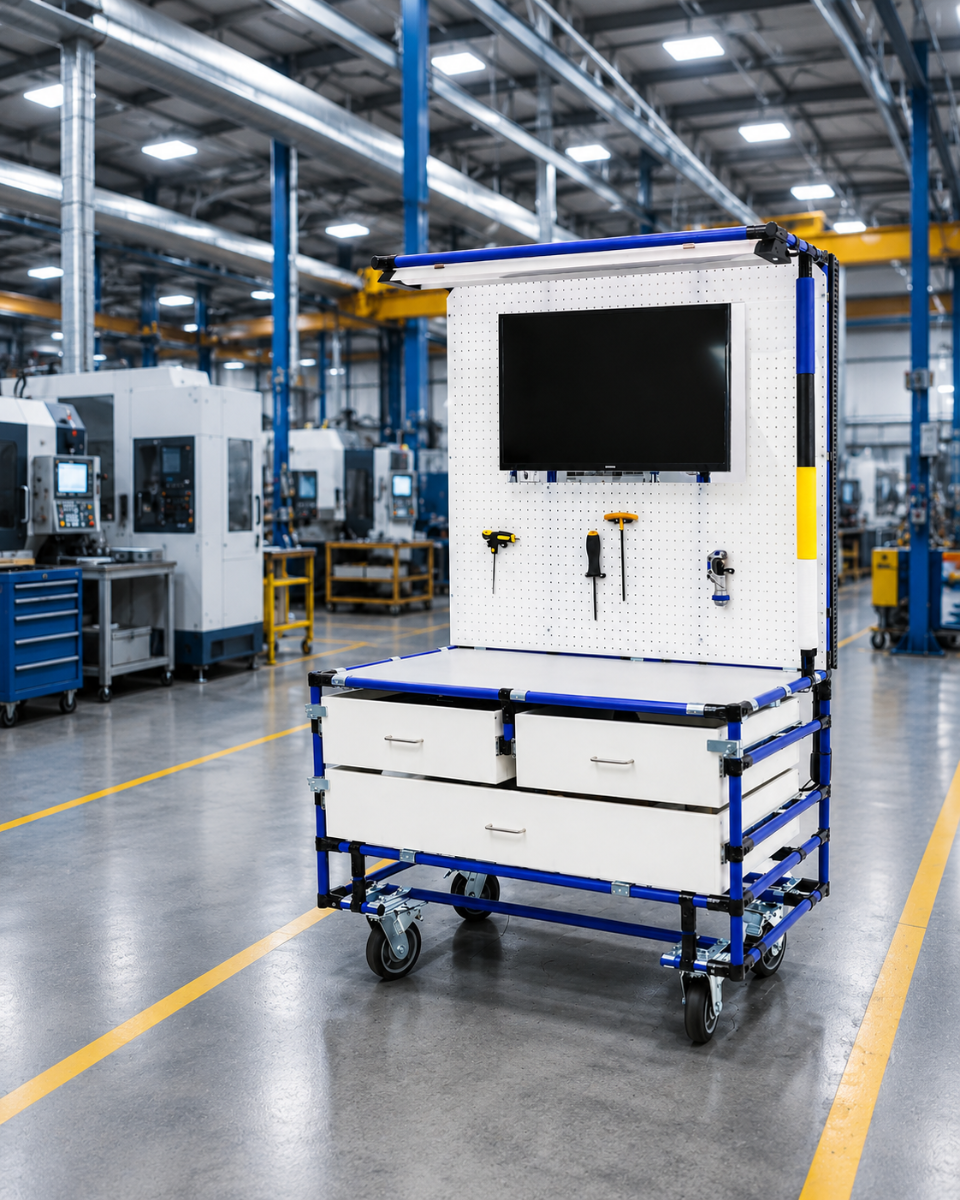
A lot of improvement efforts stall for a simple reason: the process gets better, but the surrounding system does not.
That is a major issue for lean and continuous improvement teams. Improvements are supposed to build on each other. But when the supporting structure is too rigid, each next step gets harder.
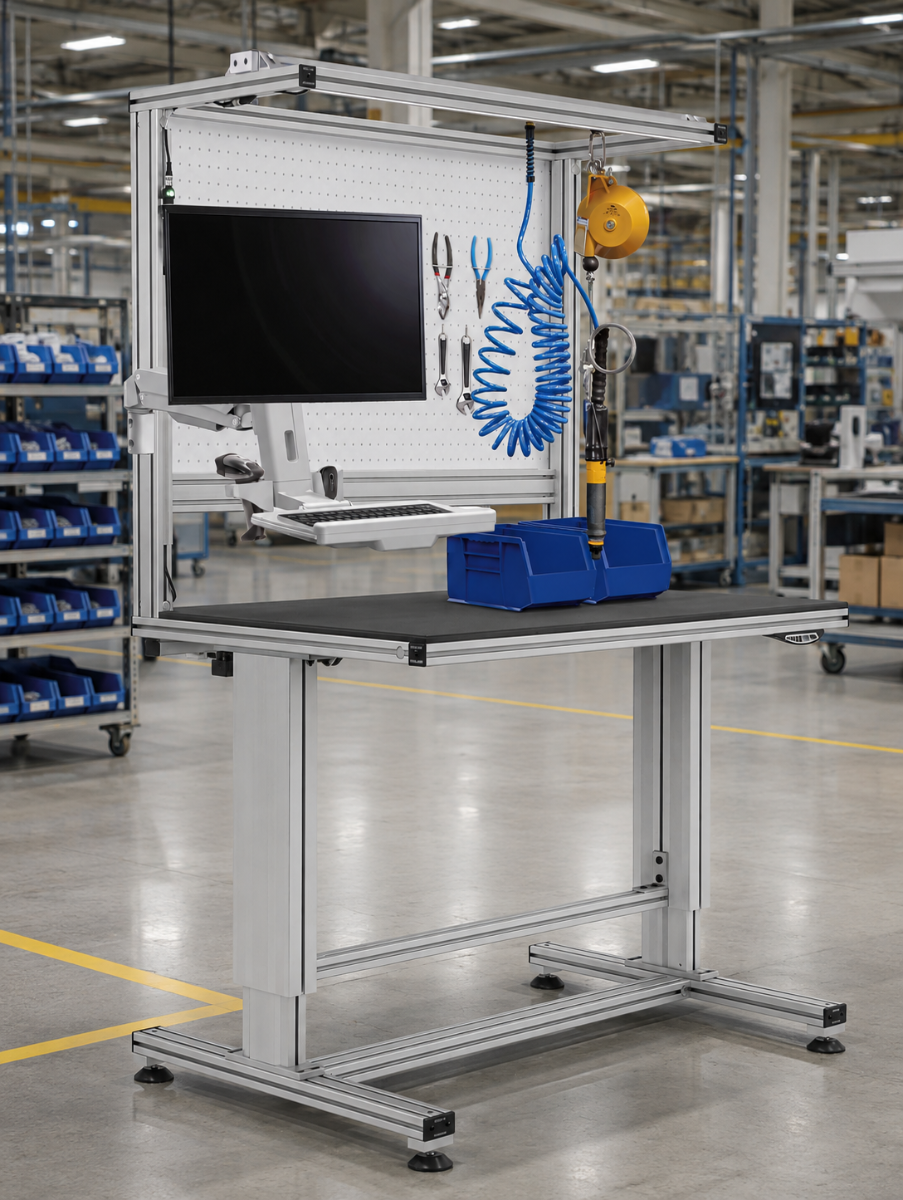
• A better layout is identified, but the workstation or support structure cannot adapt.
• A point-of-use improvement is validated, but the system makes it hard to standardize.
• A Kaizen event produces a setup, but the structure is still built around the old process.
This is where modular systems support more than a single improvement. They support improvement momentum.
That matters because the long-term value of continuous improvement does not come from isolated wins. It comes from a company’s ability to keep improving without resetting the effort each time.
Modular systems help by making it easier to:
• test improvements in real conditions
• adjust supporting structures as process changes are validated
• standardize what works
• scale successful changes into additional areas
• avoid trapping improvement work inside rigid infrastructure
For lean leaders, that is one of the strongest business cases for modularity: not just supporting one better setup but supporting the next improvement too.
When Change Affects Business Flexibility
Not every company knows its final state when it starts.
That is true in capital planning, automation strategy, plant layout changes, and growth planning. A company may know the direction it wants to move, but not every requirement six, twelve, or twenty-four months out.
That is where modular systems support a different kind of value: strategic flexibility.
A business can start with what it knows now, then adapt as needs become clearer.
That matters when companies want to:
• phase investments instead of committing all at once
• test a concept before expanding it
• scale from one area to multiple areas
• adapt to changing customer, product, or facility needs
• move forward without needing every future variable locked in upfront
This creates value because uncertainty itself has a cost. When systems are rigid, uncertainty forces delay, overbuilding, or premature commitment. When systems are modular, companies have more room to move.
That is not just a manufacturing advantage. It is a business advantage.
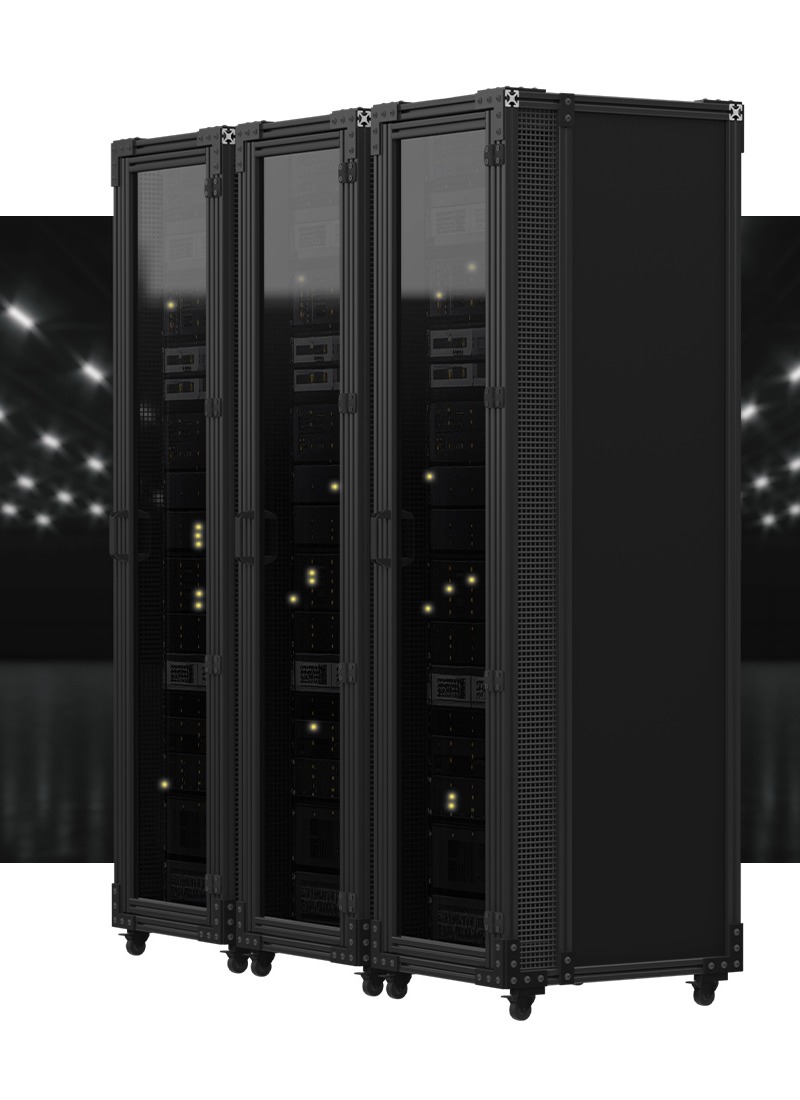
Why the Impact is Bigger Than the First Change
That is the ripple effect of modularity.
The value is not just that a system can change.
The value is that the business can change more effectively because the system is no longer the barrier.
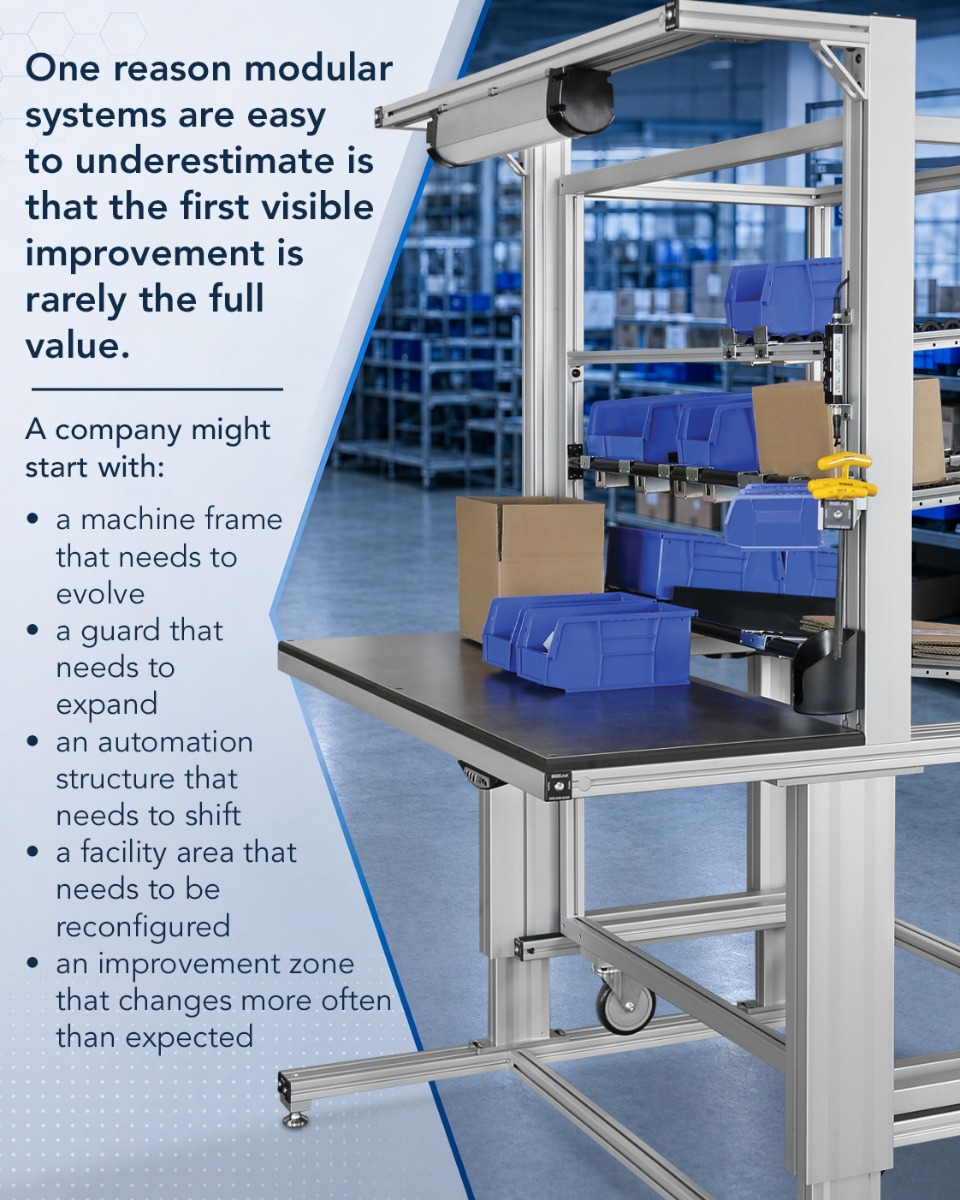
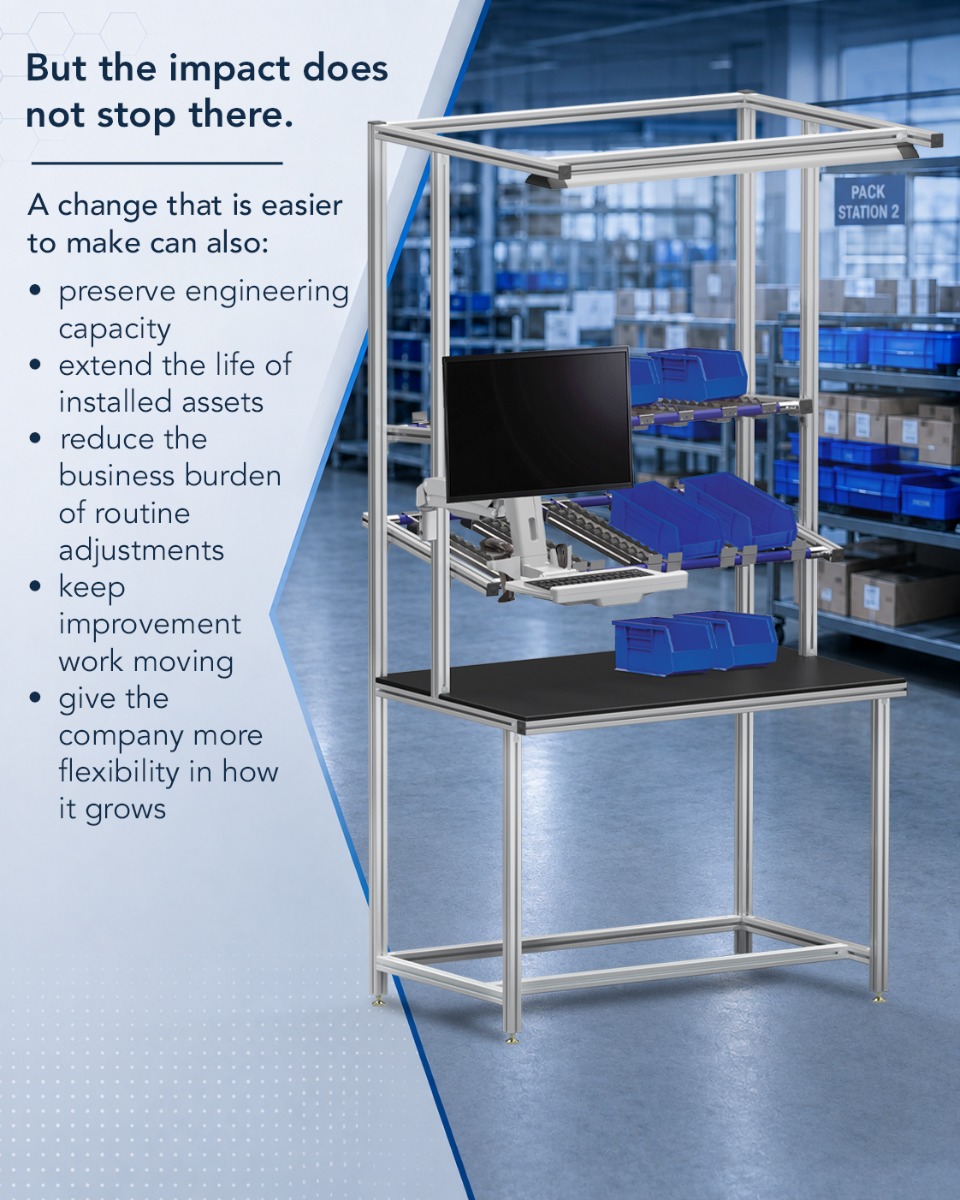
How Do Modular Systems Reduce the Cost of Change Over Time?
The ROI of a modular system is rarely just about the initial installation.

It often shows up later, in the cost the company avoids:
• avoidable redesign work
• premature replacement of usable assets
• repeated labor spent adapting rigid systems
• improvement efforts that slow down or stall
• operational disruption caused by small changes becoming large projects

It can also show up in the value the company preserves:
• more use from the original investment
• more reuse of existing components
• better use of engineering and maintenance resources
• better support for phased investment and growth
This is why modular systems are often strongest in environments where change is frequent. The more often needs evolve, the more expensive rigidity becomes.

And that effect is not limited to manufacturing performance alone. It can influence:
• engineering efficiency
• capital utilization
• maintenance workload
• safety responsiveness
• improvement velocity
• operational stability
That broader business impact is what makes modularity more than a product feature. It is an operating advantage.
Start with One System That Keeps Changing
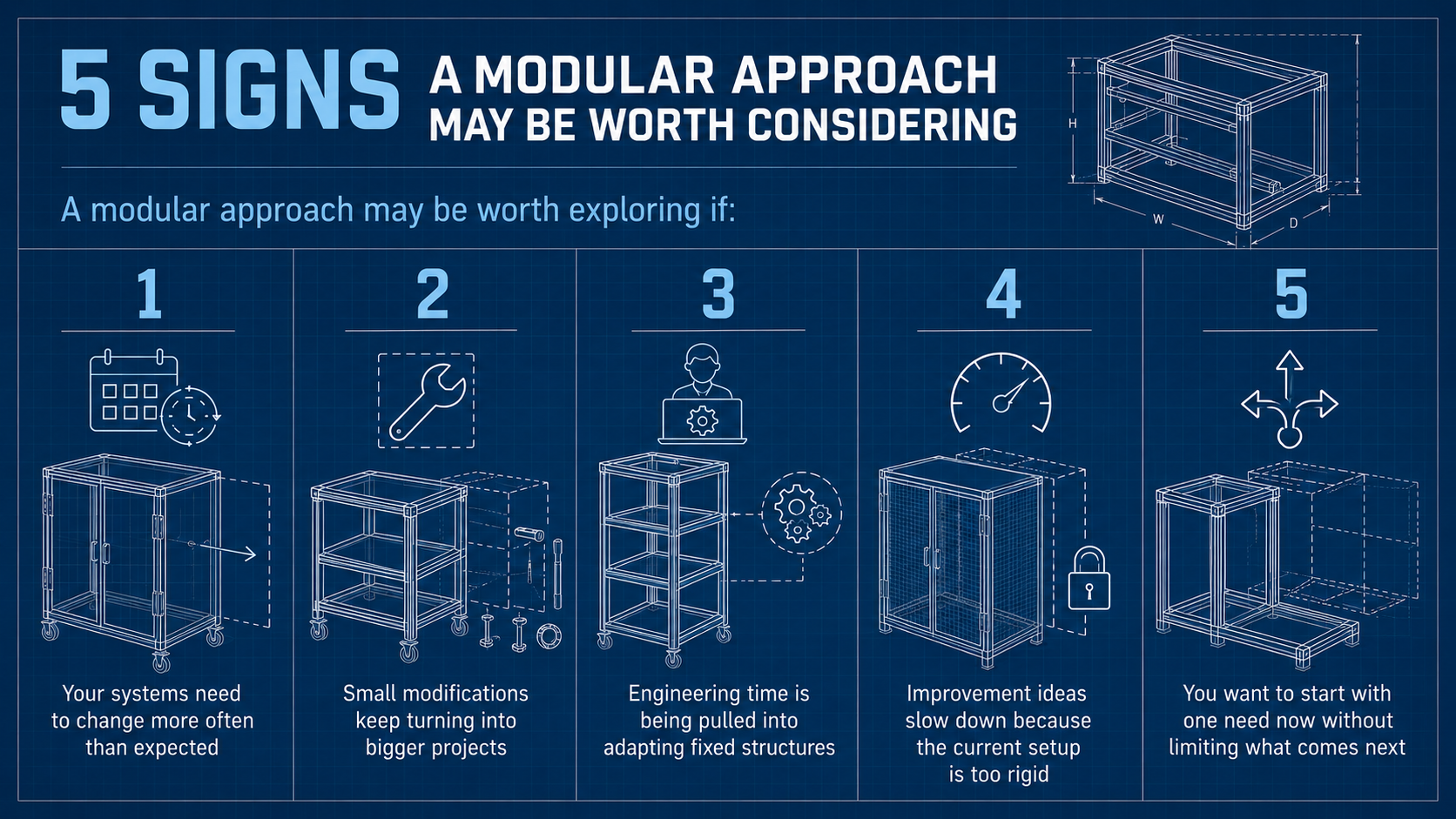
You do not have to rethink everything to benefit from a modular approach.
Often the best place to start is one system that changes often or creates recurring friction:
• one machine frame
• one automation support structure
• one guard or enclosure
• one facility area
• one process zone that never seems to stay “finished”
What's the Next Step with 80/20?
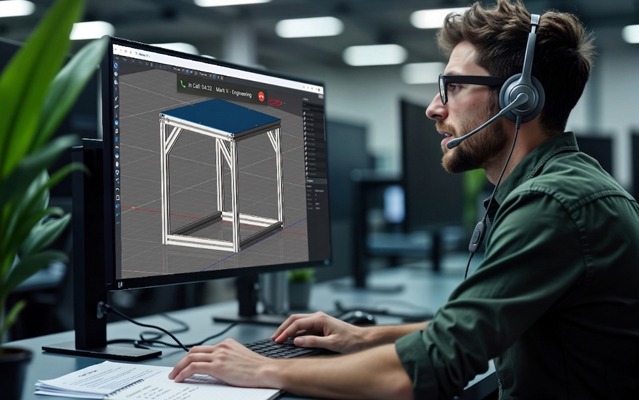
Move Your Project Efficiently from Concept to Completion
If you want to explore how that could apply in your environment, design assistance can help you think through the challenge.

Contact a Network of Support Specialists Ready to Help
If you are ready to start the conversation, contact us on how to get your next project from concept to completion.
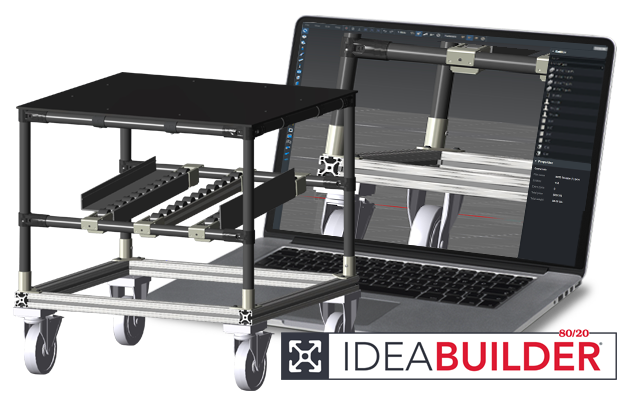
Start Designing with IdeaBuilder Software
If you would rather explore a concept first, IdeaBuilder can help you begin designing a project for free.