
Improve Material Flow Without Rebuilding Your Line
Improve Material Flow Without Rebuilding Your Line
When a line feels inefficient, the problem is not always the line itself. Many material flow issues start smaller.
Material flow in manufacturing refers to how parts, bins, tools, and materials move through the production process and how easily operators can access what they need at the point of use.
When that flow breaks down, teams usually feel it in the form of wasted motion, delays, operator frustration, and lost throughput.
The good news is that improving material flow does not always require rebuilding your line. In many cases, the best place to start is with one area that creates friction every day.
What Causes Material Flow Problems in Manufacturing?
Material flow problems tend to stick around because they are often treated as isolated annoyances instead of system issues.
Operations may describe the problem as poor throughput. Continuous improvement teams may see excess motion and wasted time. Engineers may see a layout or presentation issue. Different language, same challenge: the way material moves no longer supports the way work is actually being done.

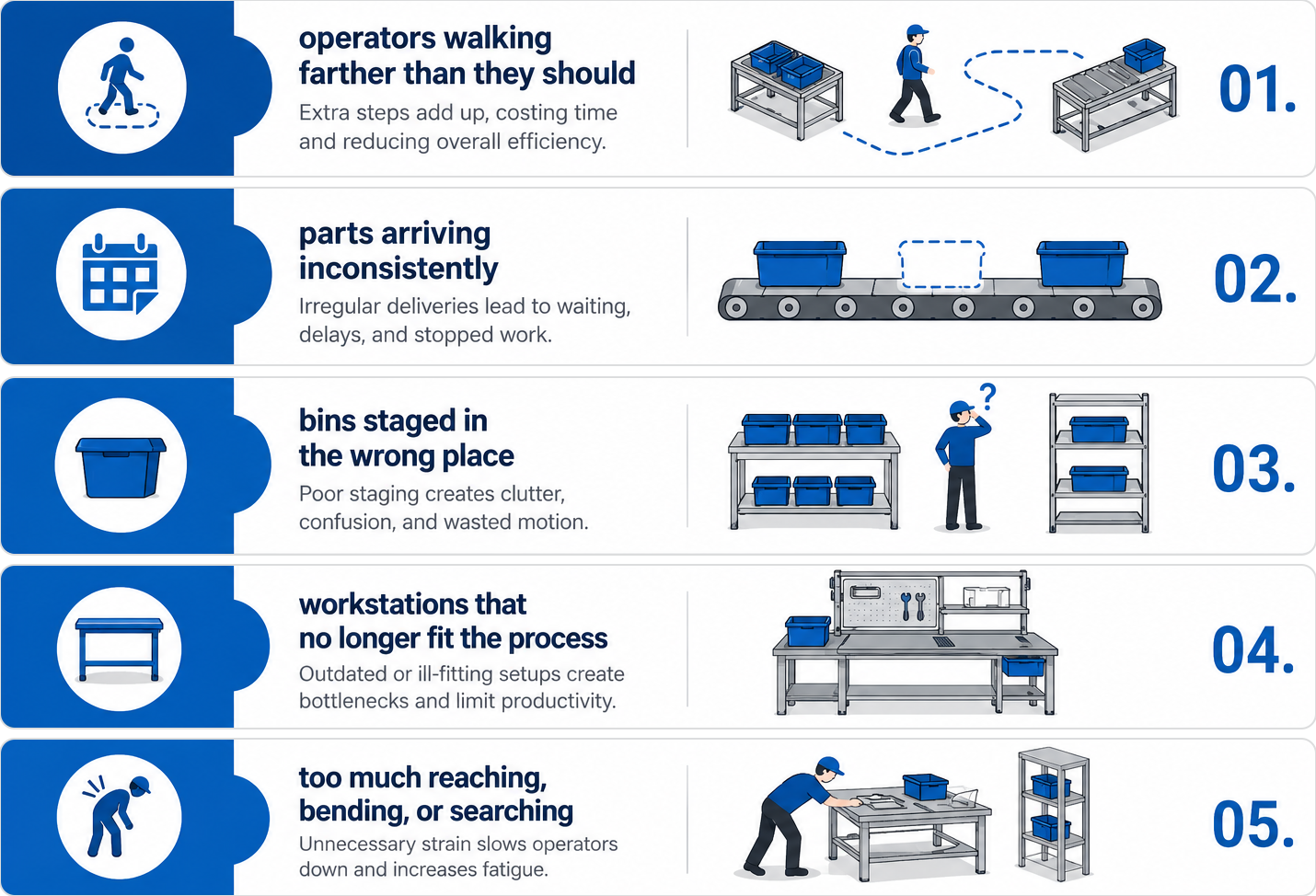
Extra walking
between stations
Poor line-side presentation

Interruptions during replenishment
Awkward material access
Workarounds that gradually become part of the process
Normalized workarounds make improved flows feel more challenging
Three Places to Start Without Rebuilding Your Line
1. Improve Line-Side Presentation
Material flow often improves fastest at the point of use.
If parts, tools, or containers are too far away, too low, too high, or poorly staged, operators compensate with extra movement. That added walking, reaching, and repositioning may not seem significant in the moment, but over time it affects output more than most teams expect.
FIFO-based line-side presentation can help reduce wasted motion, support smoother replenishment, improve changeover responsiveness, and keep production moving with fewer interruptions.
Look for:
-
material stored outside the natural work zone
-
replenishment happening in the same space as picking
-
bins or containers that are hard to access quickly
-
operators leaving the station for routine retrieval
Good first improvements:
-
move material closer to point of use
-
improve bin height and angle
-
separate picking from replenishment
-
standardize FIFO presentation where possible
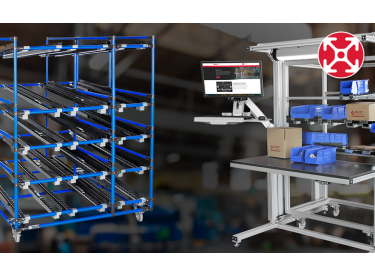
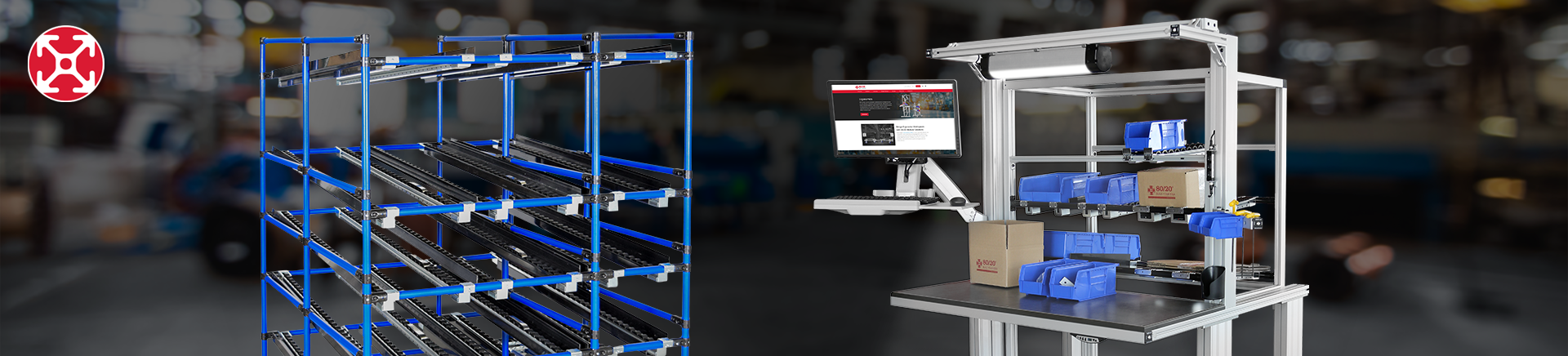
Flow racks and carts are often some of the easiest ways to improve line-side presentation without changing the entire process.
2. Simplify Flow with Racks, Carts, and Replenishment
A lot of flow problems come from how material moves between stations, not from the station itself.
When replenishment is inconsistent or presentation is poor, operators adapt by staging extra material nearby, walking around obstructions, or interrupting work to retrieve what they need. Those workarounds create more motion, more waiting, and more variability.
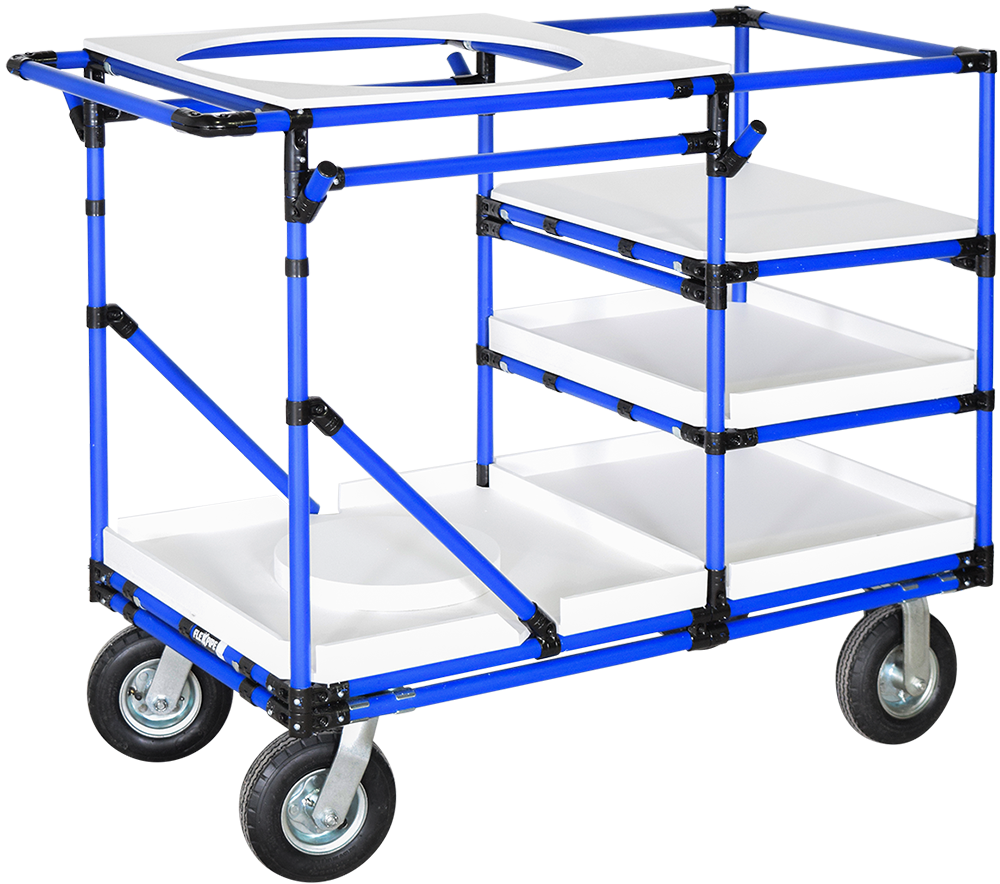
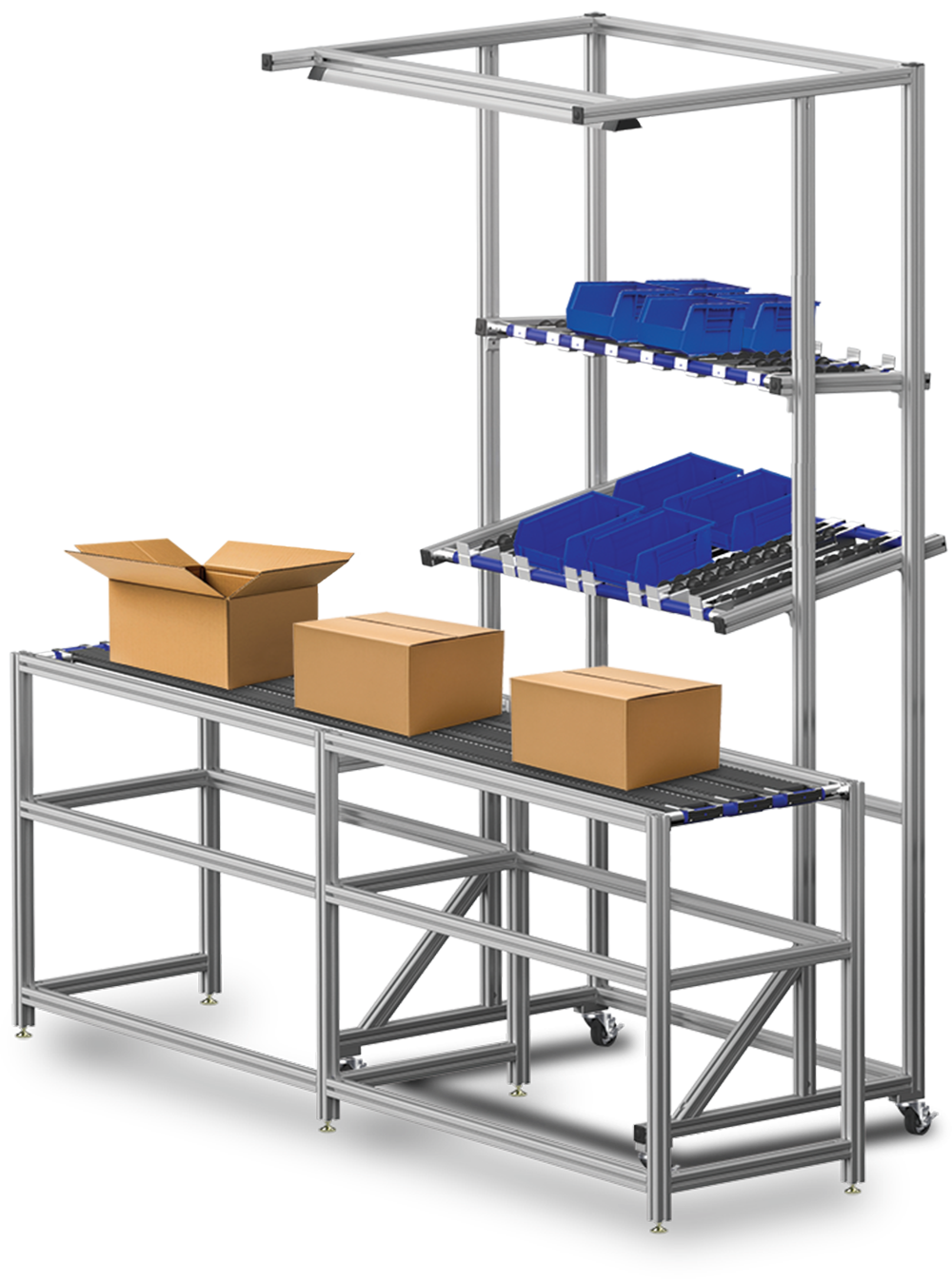
This is often where modular flow racks, carts, and line-side systems make the biggest impact. They improve access, reduce interruptions, and make replenishment easier to manage without forcing a larger line redesign.
Look for:
-
waiting on material delivery
-
overstock piled near the station
-
searching for parts or containers
-
delivery paths that interfere with production
Good first improvements:
-
add or adjust a flow rack
-
improve cart path or positioning
-
simplify line-side delivery
-
reduce excess material handling
This is also where material handling solutions can support a more efficient replenishment approach.
3. Make Workstations Easier to Adapt
A workstation that matched the process six months ago may now be slowing it down.
Product mix changes. Material presentation changes. Layouts shift. New tools, fixtures, or equipment get added. When the workstation cannot adapt, teams end up working around it instead of improving it.
That is why fixed workstations often create long-term inefficiencies. The issue is not always the workstation itself—it is that it no longer fits the work.
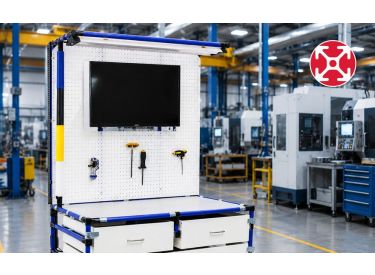
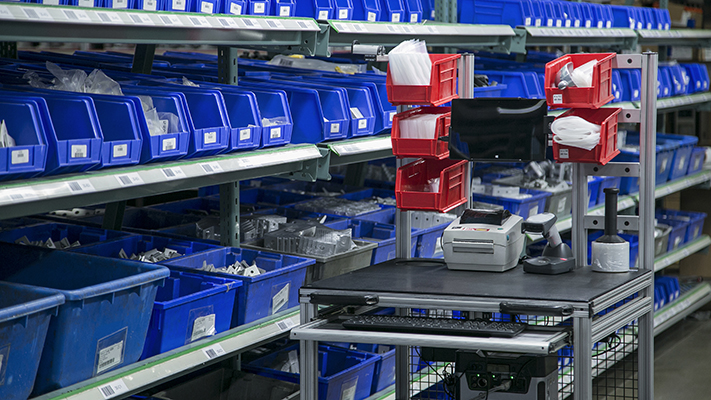
Modular systems help teams make targeted improvements without starting over. Storage can be repositioned. Heights can be adjusted. New accessories can be added. Flow methods can be integrated as the process evolves.
Look for:
- Fixed setups that no longer fit the task
- Awkward reach zones
- Clutter caused by add-on fixes
- Operator frustration with access or movement
Good first improvements:
- Adjust height and reach zones
- Reposition storage
- Improve tool and material presentation
- Add flexibility where future change is likely
Why Modular Systems Help
The biggest advantage of a modular system is not just speed of assembly. It is the ability to improve one area without locking into a fixed answer too early.
That matters because production environments do not stay static. Volumes change. Layouts shift. Processes evolve. If the system was designed for one moment in time, even small changes can trigger rework.
Give teams a practical path
Start small, prove the improvement, then expand where it makes sense.
If you want to explore how this could apply to your floor, design assistance can help you think through the problem area, possible solutions, and where it makes sense to start.
How Does Material Flow Affect Ergonomics in Manufacturing?
Material flow is not just about throughput. It also affects safety and ergonomics.
Poor bin height, excessive reaching, awkward access, and repeated bending all add physical strain to the work. Better line-side presentations and better workstation design can help reduce unnecessary motion while making the job easier and safer to perform.
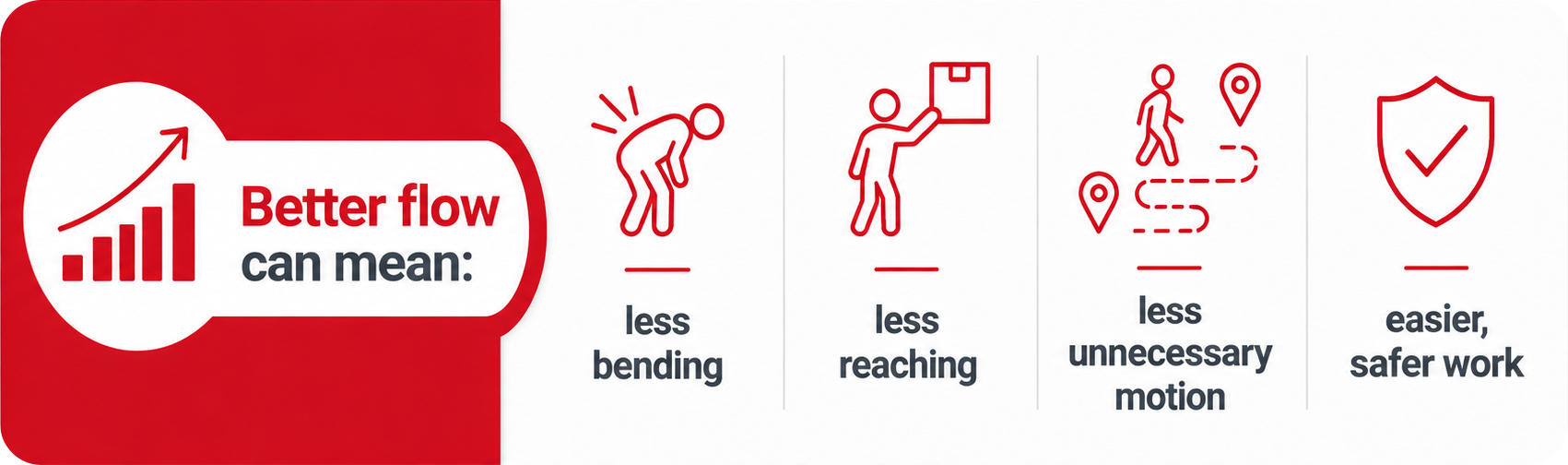
That is one reason line-side presentation and workstation design matter so much. Better flow often supports better ergonomics at the same time
5 Questions to Evaluate Your Floor Today
If you want to improve material flow without rebuilding your line, start here:
- Where are operators walking farther than they should?
- Where are parts arriving inconsistently or being staged poorly?
- Where are people reaching, bending, or turning more than necessary?
- Where does replenishment interfere with production?
- What one area causes recurring frustration but never quite gets fixed?
You do not need to redesign the whole line to answer those questions. Often, one rack, one cart, one workstation, or one line-side presentation point is enough to create a meaningful improvement.
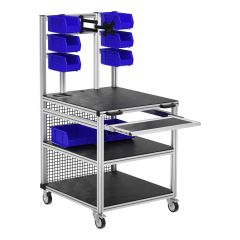
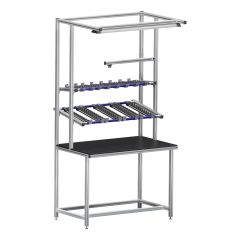
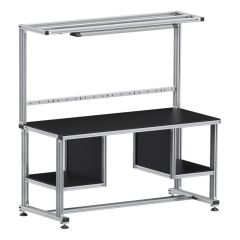
Start small. Improve one area.
The goal is not to replace everything. The goal is to remove friction where it is quietly costing time, movement, safety, and throughput every day.
In many cases, the best way to improve material flow is not with a bigger project. It is with a more flexible system.
If there is one area on your floor you have been wanting to improve, contact us to start the conversation. If you would rather explore a concept first, you can also try IdeaBuilder to start designing a project for free.