
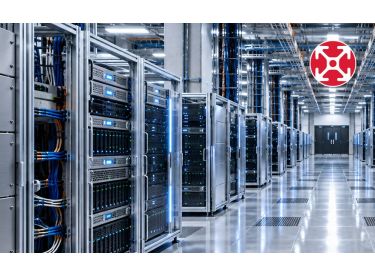
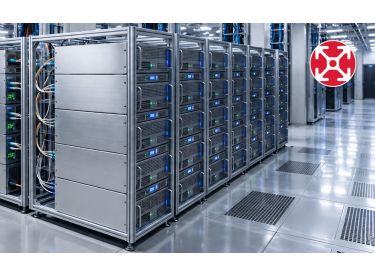
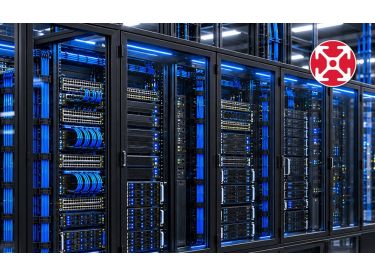
What to Consider When Designing Custom Equipment Frames for Data Centers
Designing Custom Equipment Frames for Data Centers
Evaluating Modularity, and Layout Flexibility for Data Center Infrastructure.
Fixed-dimension equipment frames and steel-welded racking are not ideal for data center infrastructure because of their limitations.
Finding the right custom equipment frames for data centers depends on the environment, equipment, the layout of your data center, and the ability to change or adjust frame sizes as equipment capacity grows.
80/20 T-slot aluminum profiles are a modular framing material for designing, assembling, and modifying custom data center frames. With aluminum profiles, data centers have a high-strength, adjustable framing solution to build exactly what’s needed without welding, custom fabrication services, and long lead times.
This guide outlines the main criteria when buying or assembling custom data equipment frames, while outlining the inherent limitations of off-the-shelf, preconfigured racks and frames.
Start Designing Your Next Data Center Frame for Free with IdeaBuilder®.
Limitations of Prefabricated Racks and Welded Data Center Frames
Prefabricated racks and steel-welded frames have several limitations. The most obvious is needing to adjust data center layouts around the fixed dimensions of the rack or frame. Instead of maximizing space by customizing frame dimensions to equipment, data centers are stuck doing the exact opposite – making their equipment fit into the preassembled frame.
Prefabricated racks have fixed dimensions. These racks are expensive, can’t be changed without high costs and extended downtime, and are not scalable.
Read More in the Data Center Design Field Guide
This step-by-step workbook helps data center teams identify challenges, evaluate layouts, and design more flexible, efficient spaces. Learn how modular 80/20 T-slot aluminum solutions improve scalability, organization, and future adaptability.
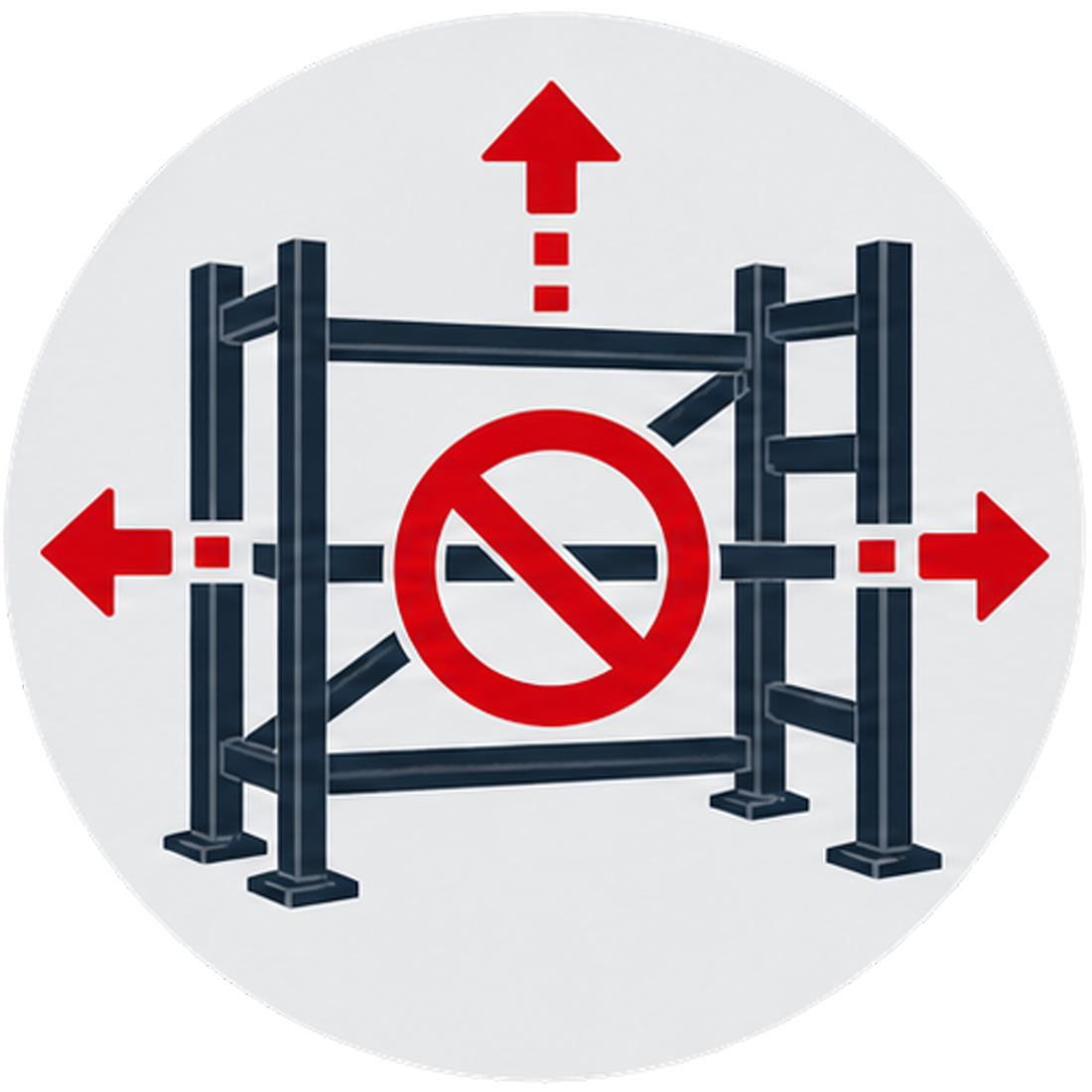
Welded racks reduce layout flexibility
Welded frames are expensive to change
Modifying welded racks comes with downtime
Welded racks are general-purpose solutions
In many instances, data centers just end up buying new prefabricated racks because the costs and lead time to change their existing fixed dimension racks are too high and too long.
Custom data center frames made from T-slot aluminum are the exact opposite. Comparatively inexpensive, easy-to-assemble, and reconfigurable, equipment frames made with aluminum profiles are highly scalable.
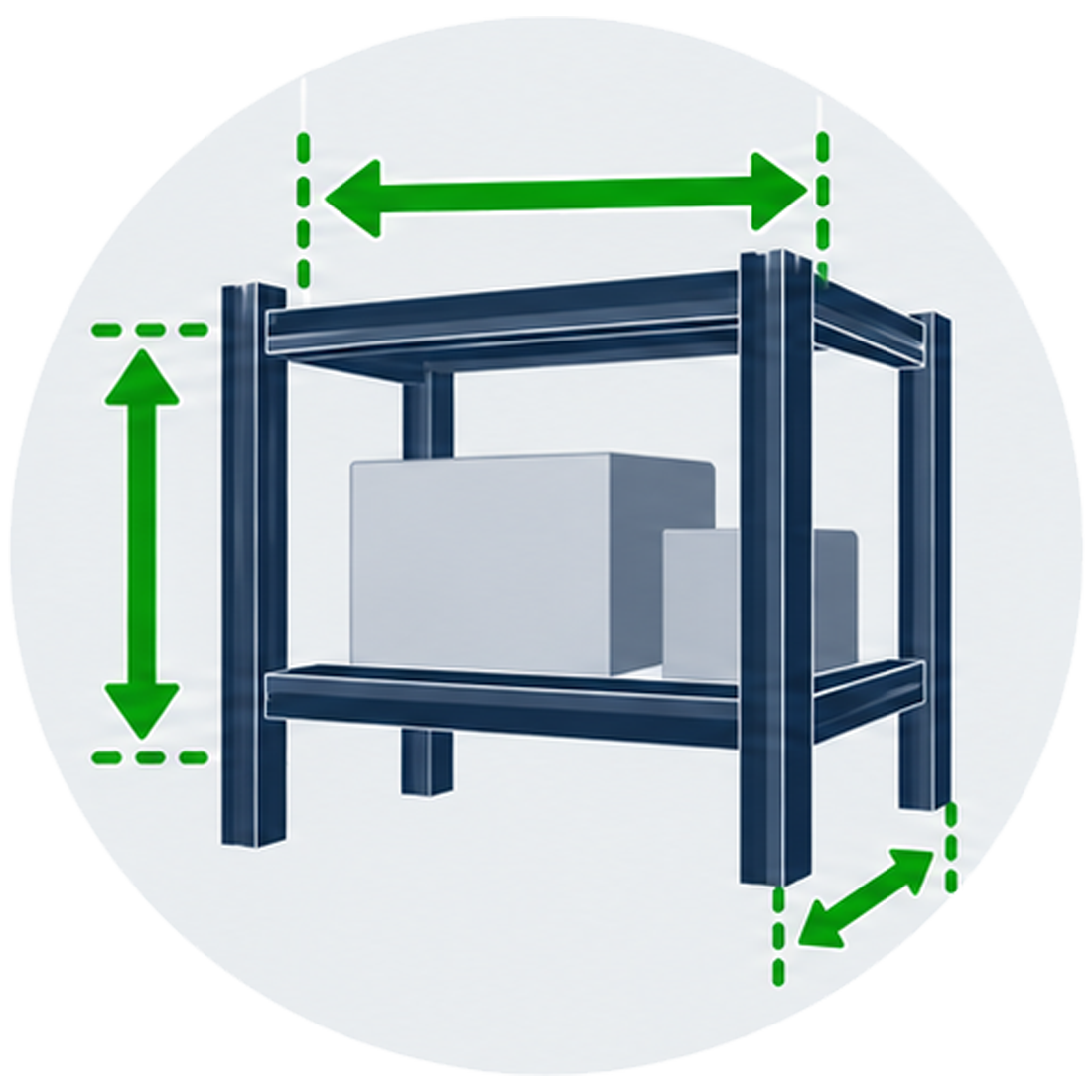
Modular frames can be customized to equipment dimensions
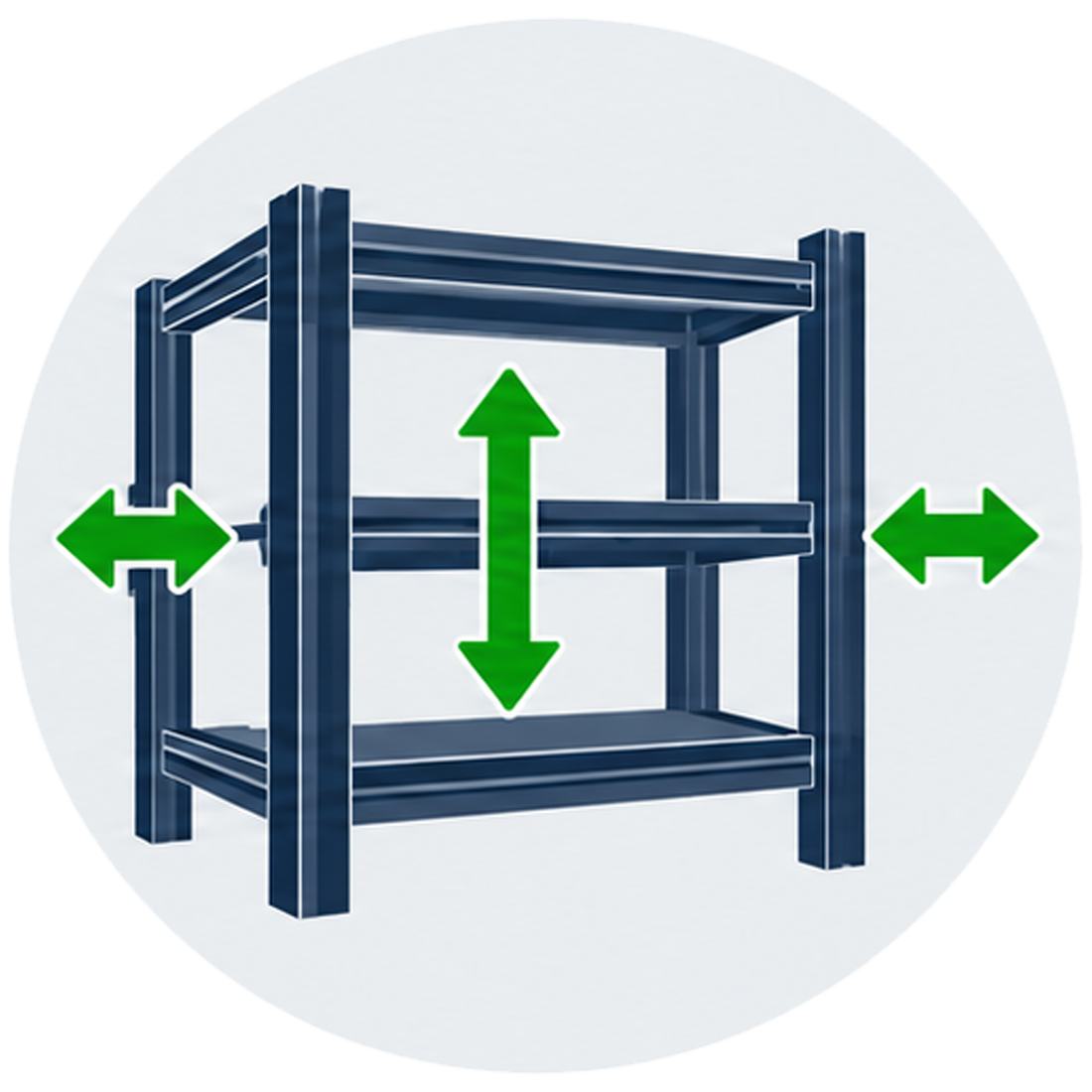
Adjustable T-slot aluminum increases flexibility
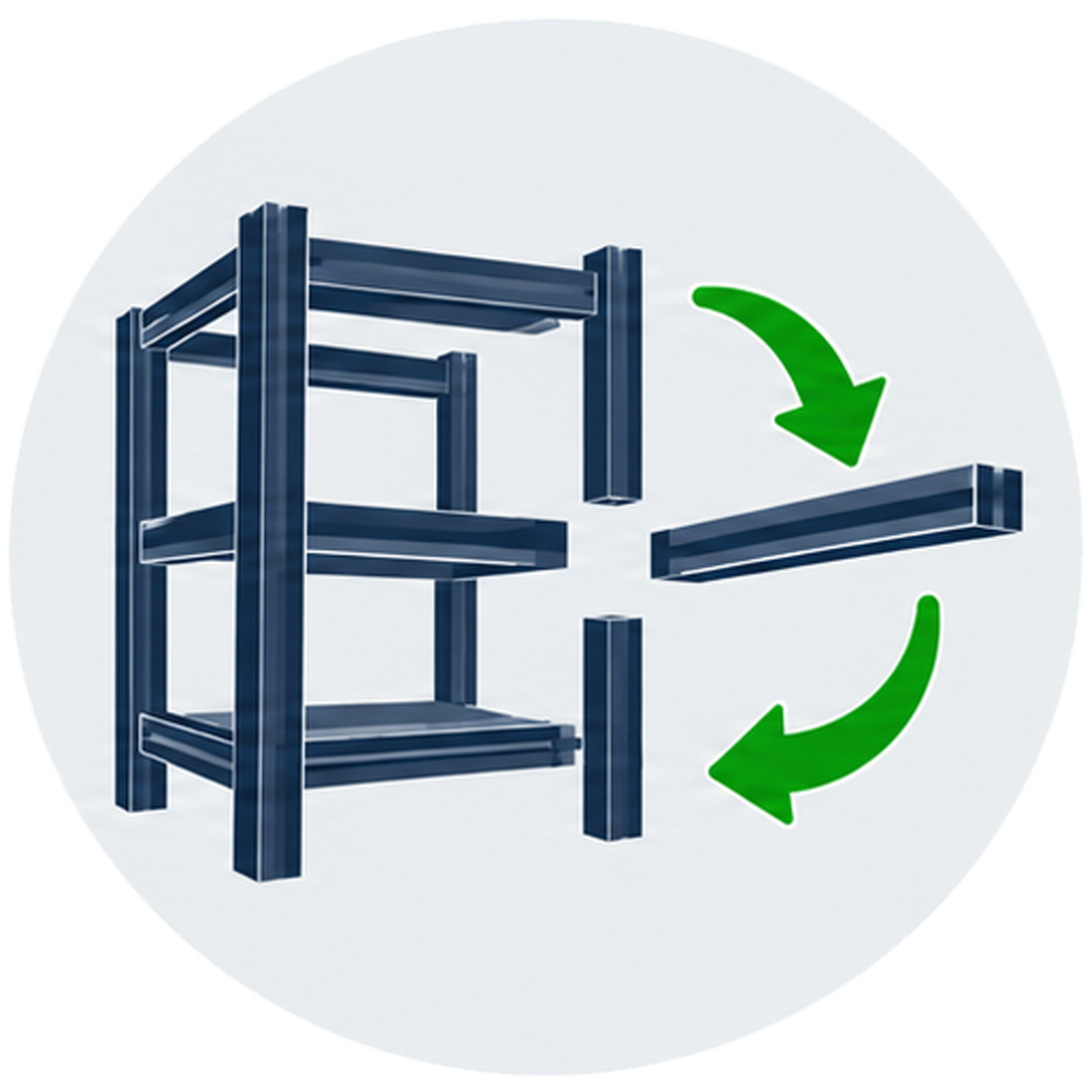
T-slot aluminum frames can be changed as needed
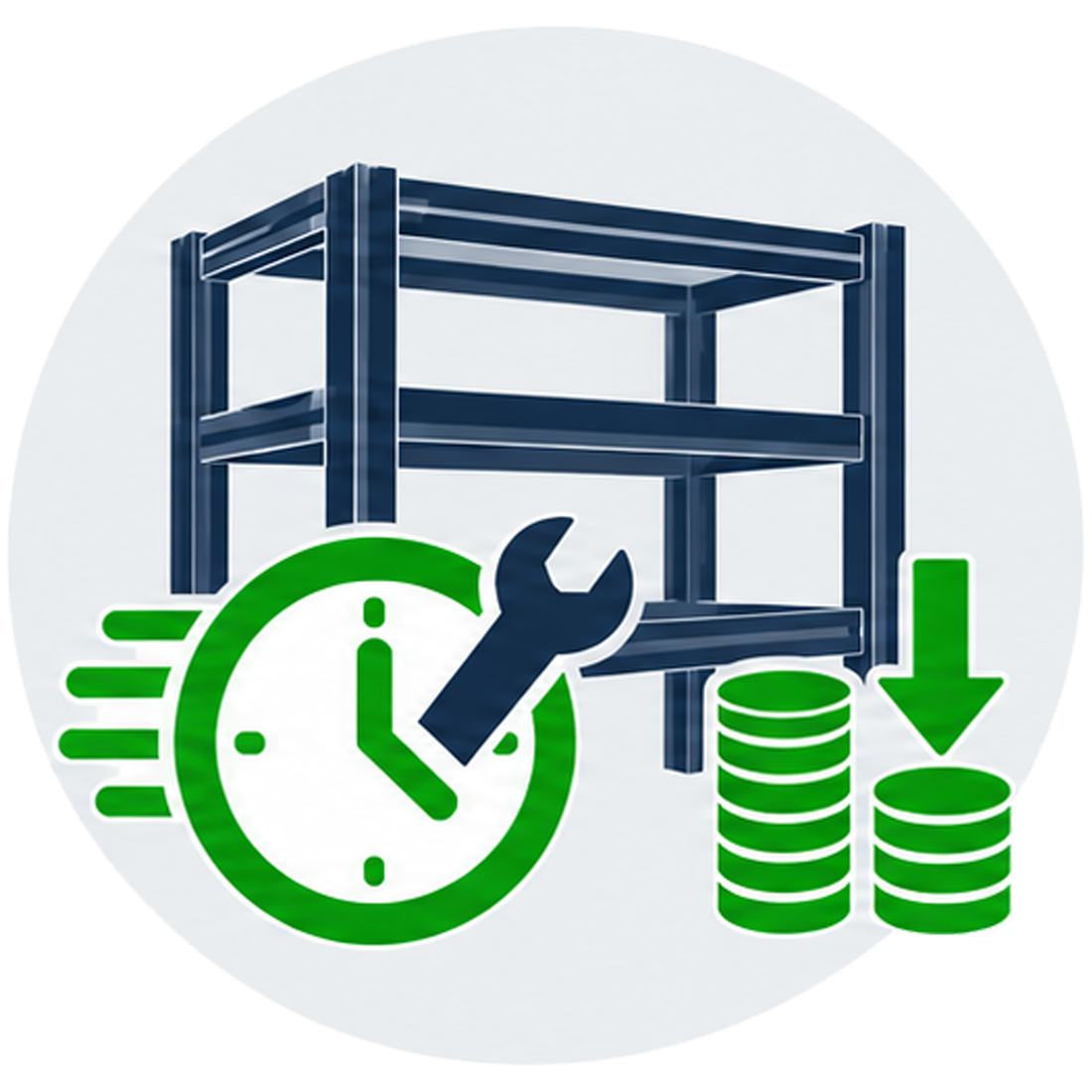
Modifications to aluminum profile racks are faster and less expensive
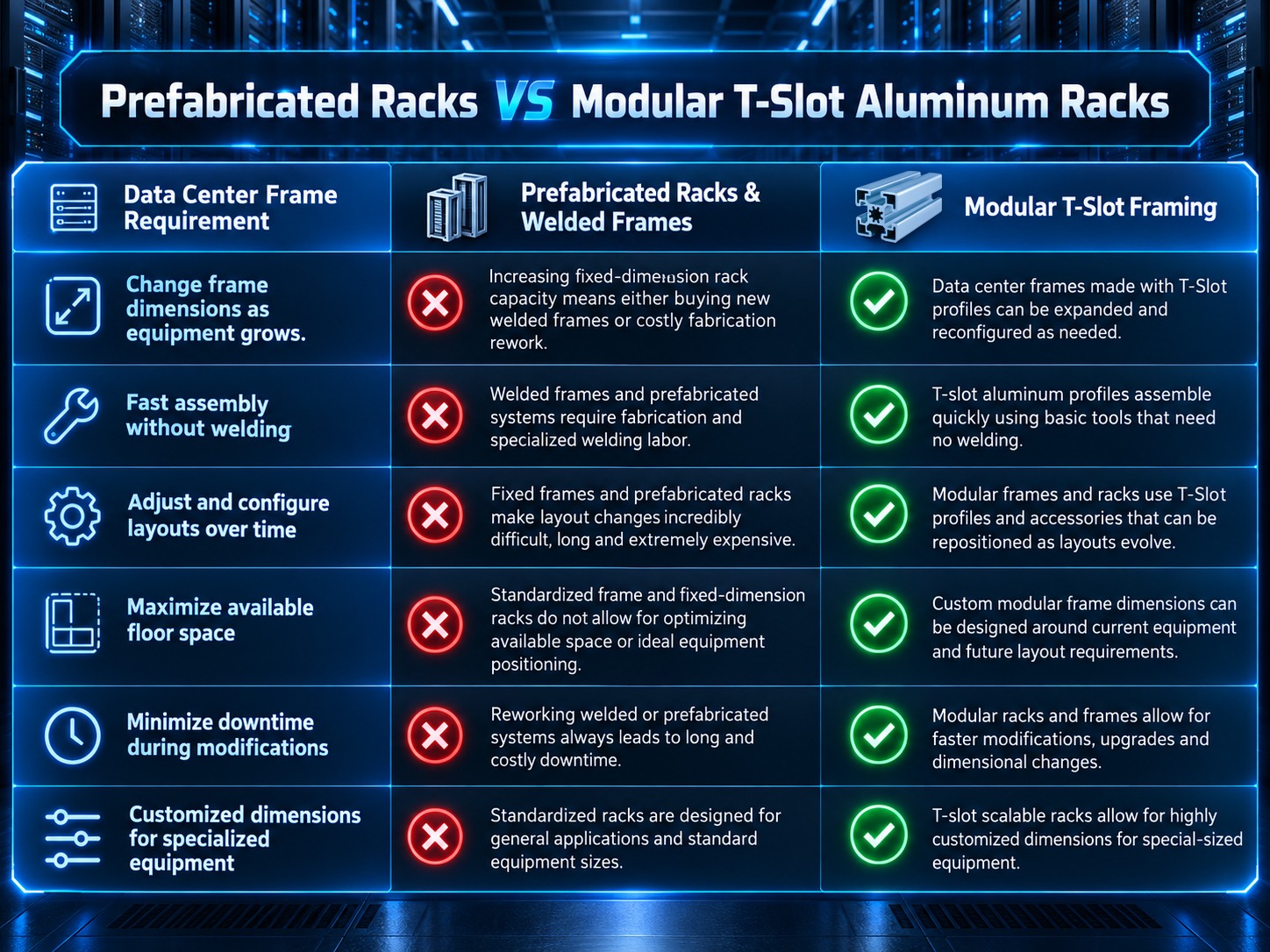
Evaluation Criteria for Data Center Equipment Frames
Regardless of the type of custom equipment frames for data centers you’re considering, there are several criteria to consider.
1. Equipment Dimensions and Frame Load Requirements
From servers, network switches, routers, power distribution units (PDUs), firewalls, and uninterruptible power supply (UPS) battery modules to cable management systems and network monitoring hardware, all equipment has different dimensions and weights.
Within a data center, it’s common for equipment to be housed together. As such, you must define your equipment groupings. Next, use the dimensions and weight of each piece of equipment to calculate the overall weight your frame or rack must support.
For instance, a server frame will typically house a combination of rack servers, blade servers, GPU servers, storage arrays, PDUs, and cable management hardware. This is different from a network frame that would house switches, routers, patch panels, network monitoring equipment, and firewalls.
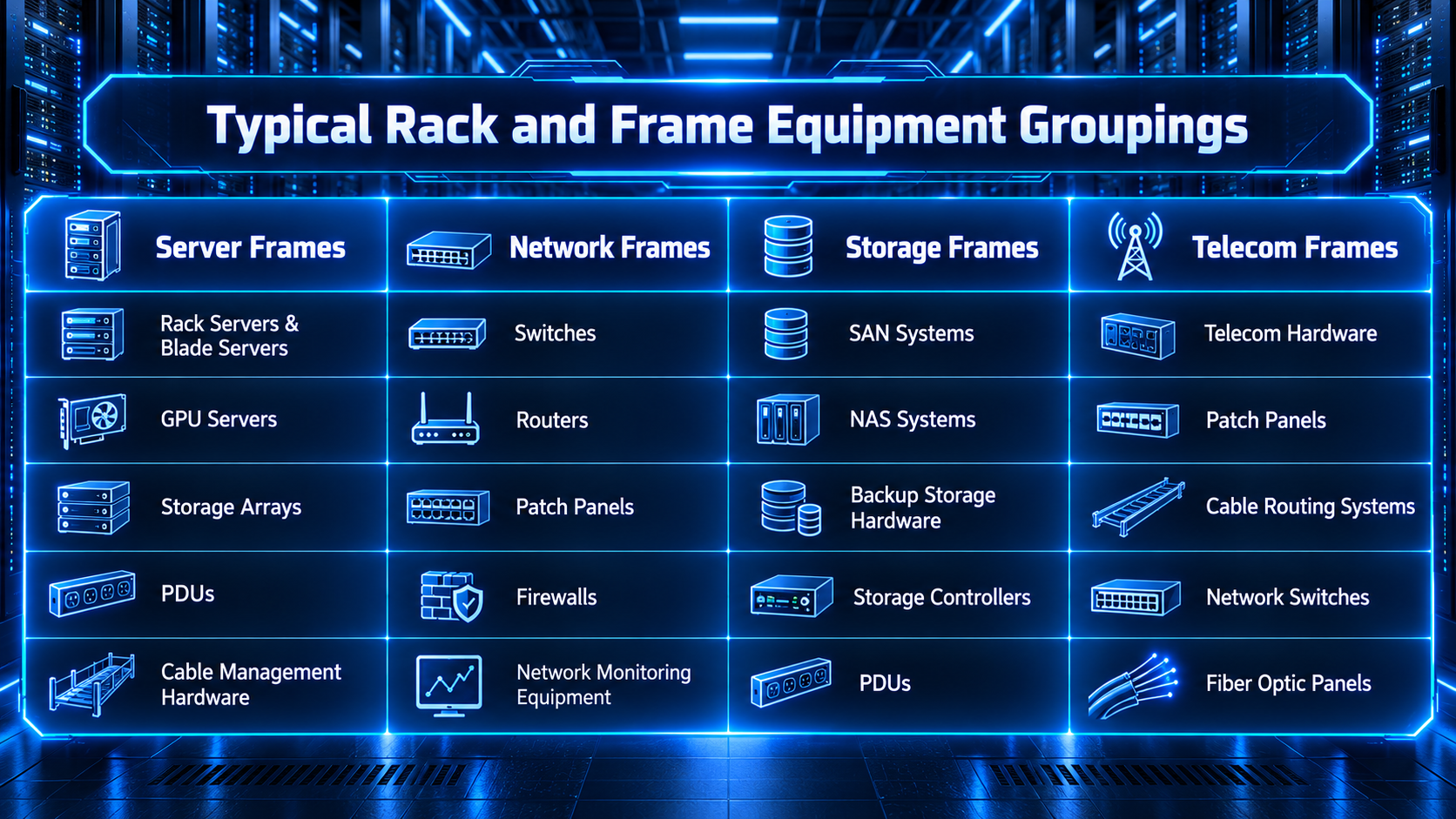
What type of frame are you using?
The above table outlines the typical equipment groupings within data centers. However, your groupings may be different. Define what those groupings are, how much of each piece of equipment your rack must support in terms of weight, and each piece of equipment’s dimensions.
What are the power, cooling, and cable management requirements for this frame?
Keeping data center equipment operational means having sufficient cooling and power while ensuring cables are safely secured. Your custom data center frames must allow for sufficient spacing for cooling, power, and cable management.
Does your frame provide easy access for maintenance, upkeep, and upgrades?
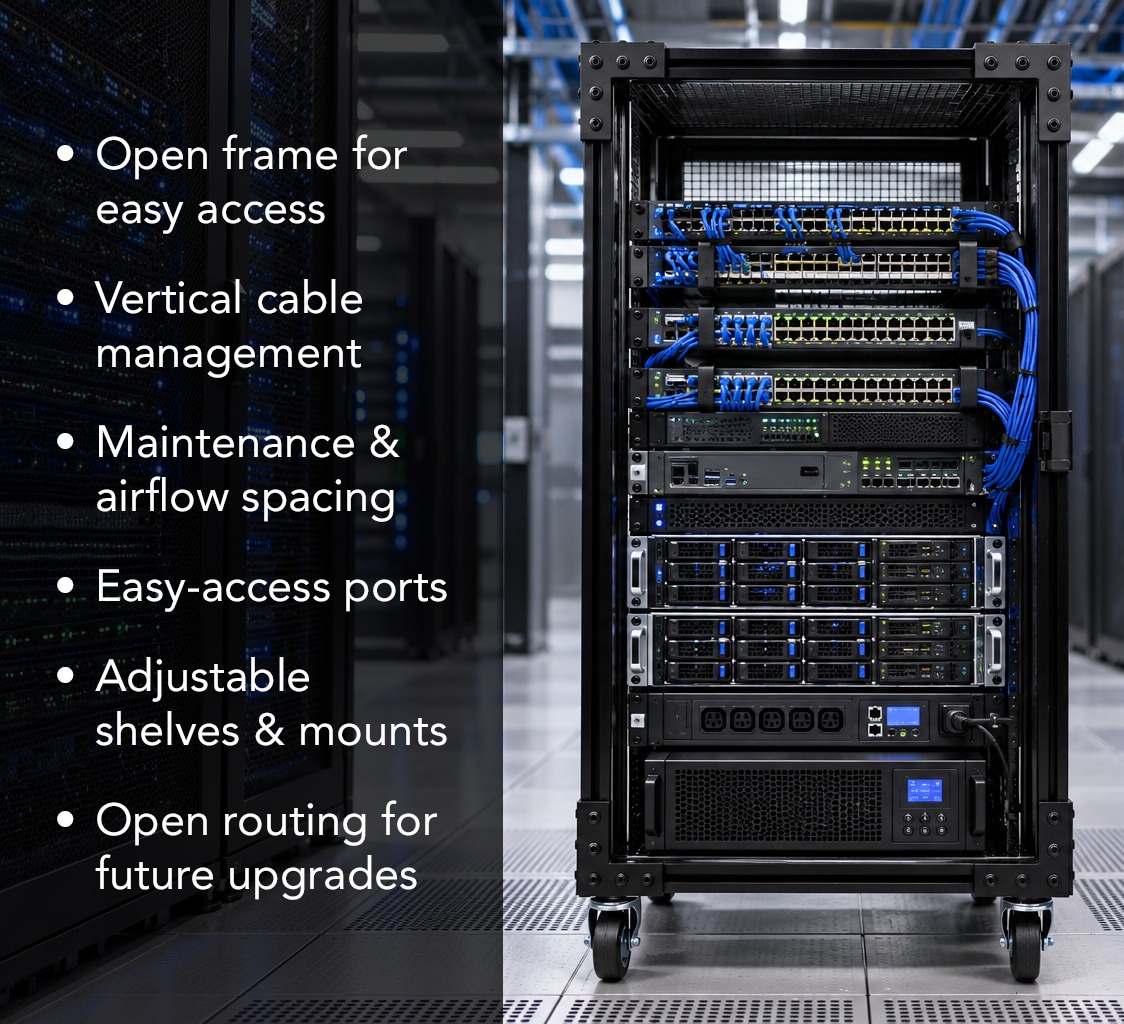
Your frame must allow for easy access for maintenance and upkeep. Ensure you provide sufficient spacing and open channels for technicians to access multiple ports and connections.
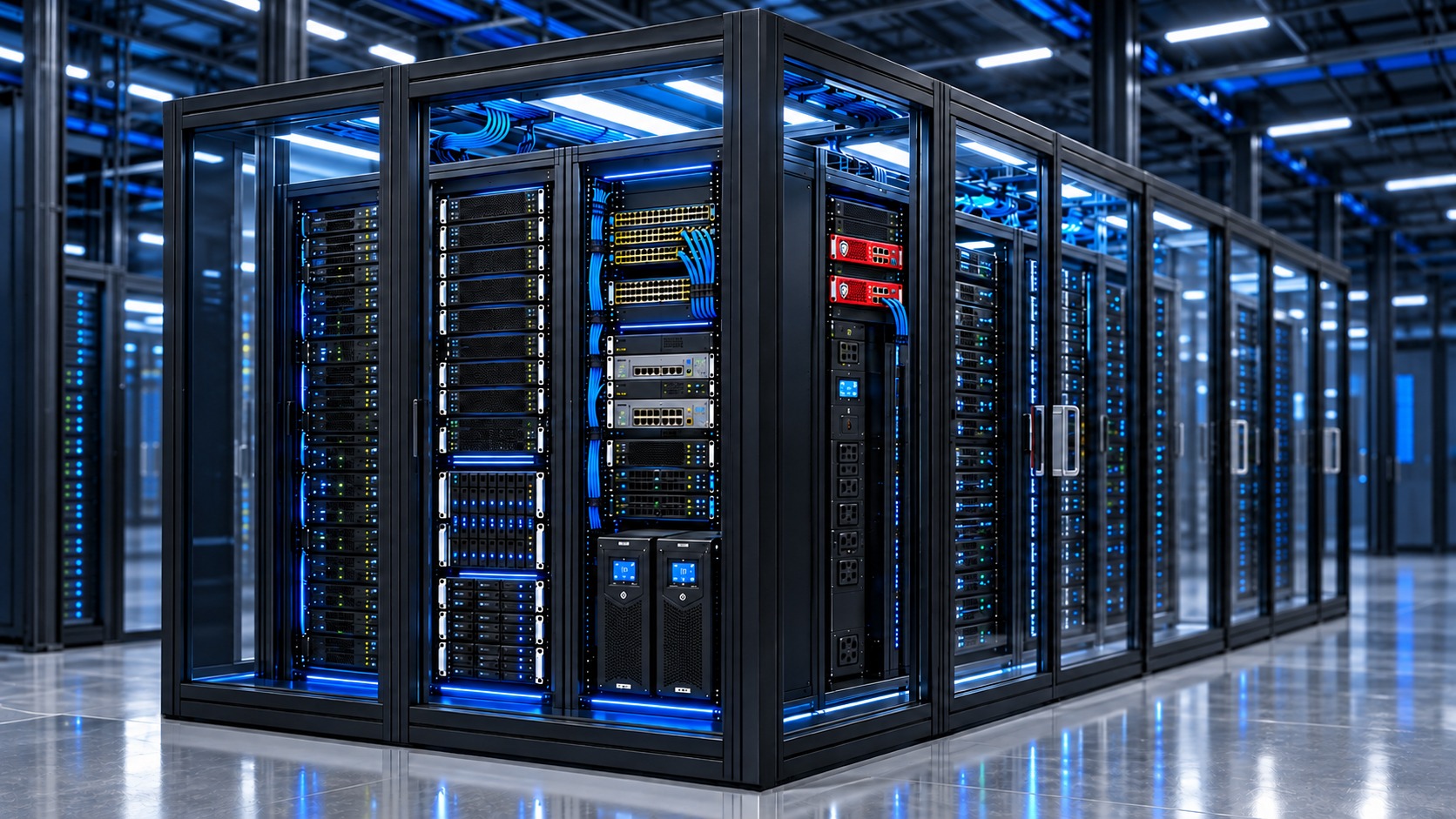
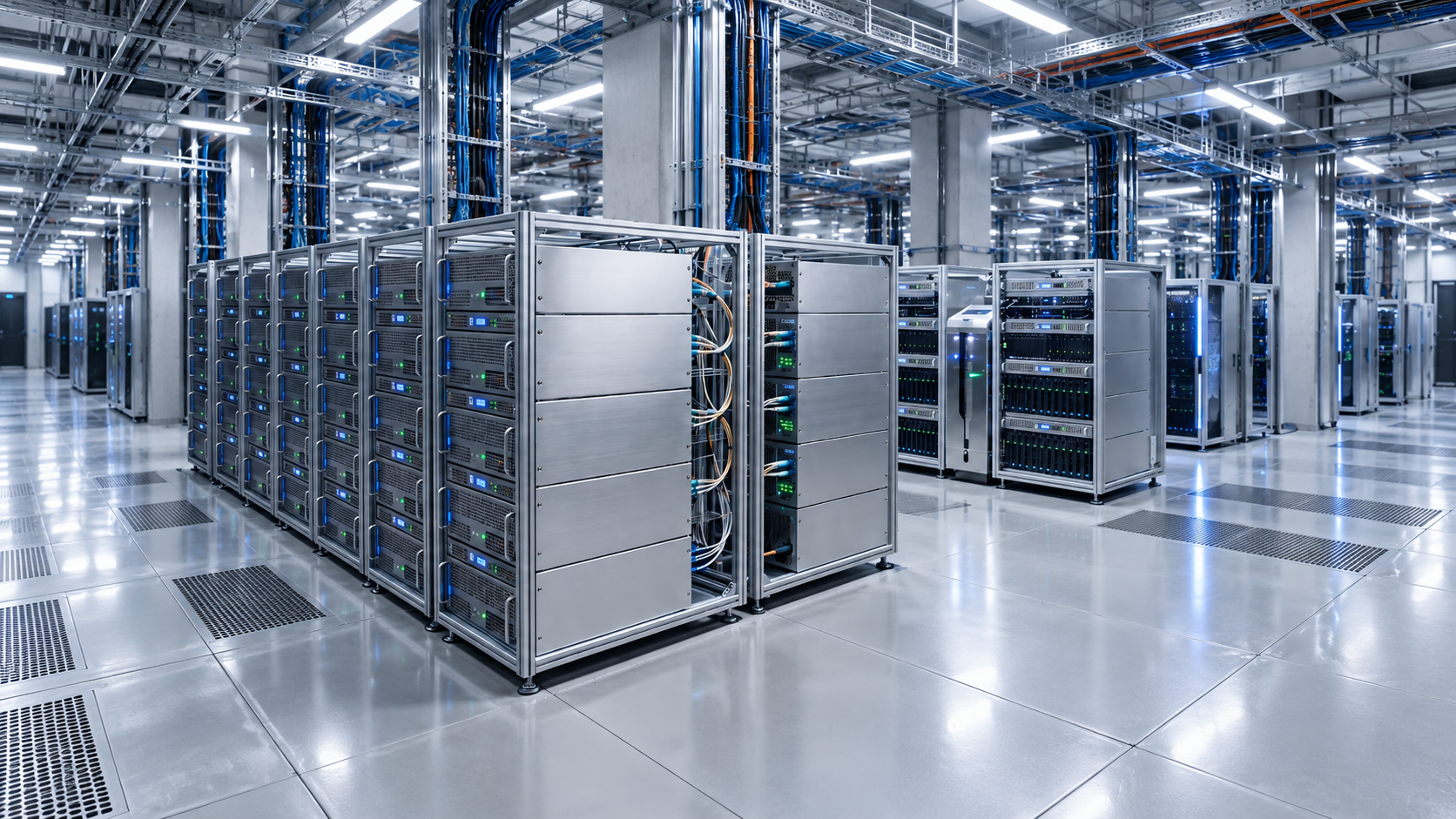
Open Access T-Slot Modular Aluminum Data Center Frame Alt Text. With 80/20’s T-Slot Aluminum Profiles, data center teams can design and assemble modular equipment frames and racking solutions that allow them to access all the connections and ports of each piece of equipment stored within the rack or frame. The solution empowers data center teams and design engineers to create wide open channels for proper and secure cable routes, improved airflow and cooling, and easy access for maintenance and upkeep.
An open frame makes it easy to access multiple ports and equipment connections. Cable routing is much cleaner; spacing ensures proper airflow, and vertical cable management channels keep cables and wires secure.
2. Data Center Layout and How it Changes Over Time
There are numerous reasons why a data center’s layout would expand over time. An increase in PC users is one reason. Increased reliance on new applications and software is another.
Ultimately, as a company’s data storage requirements grow, its data center must keep up. This requires additional equipment such as servers, switches, arrays, and networking equipment. All lead to an expansion or adjustment of a data center’s layout.
-
Data center layouts change as requirements increase.
-
Equipment upgrades often require rack reconfiguration.
-
Modular frames simplify layout and capacity changes.
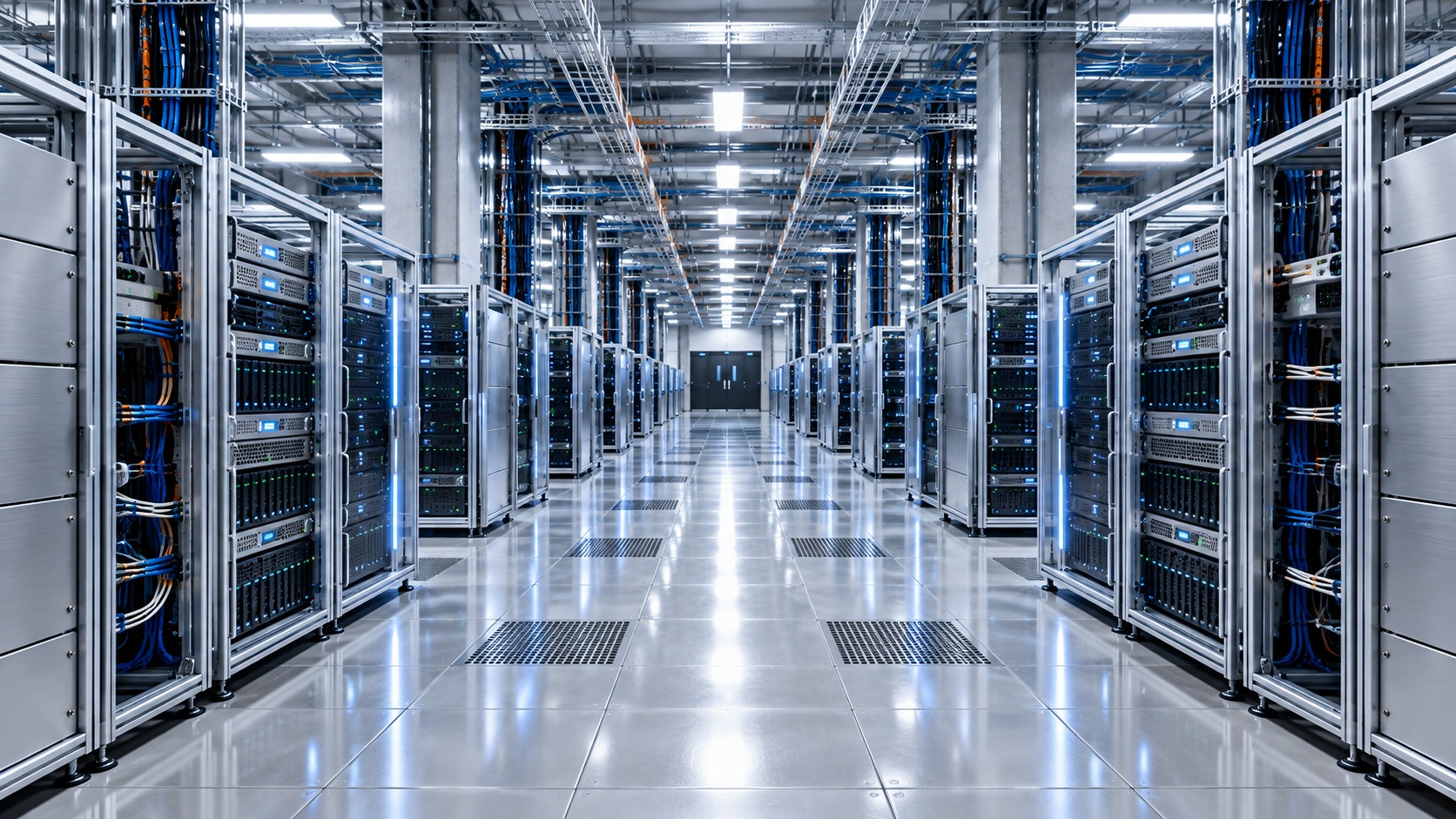
At some point, changes to your layout are inevitable. Even if you’re not increasing your layout, replacing older equipment with new upgrades will likely reduce your overall footprint. This can change the number of racks and frames, their sizes, or even how cables are routed, and how power is distributed.
The take-home point is that you should always design your data center layout anticipating that it will change.
3. Simpler and Faster Future Frame Modifications and Tools
Given that infrastructure layout change is often unavoidable, it’s critical to ensure you’ve chosen a framing solution that allows for easy modifications. That framing solution should require simple, inexpensive tools that don’t require large storage space or money.
Modifying infrastructure layouts and changing steel-welded racks and prefabricated frames is exceptionally difficult, time-consuming, and costly. However, choosing modular T-slot aluminum profiles and framing systems means changes can be made internally by your own team.
There is no need for third-party fabrication companies. No need to hire outside welding contractors to reconfigure prefabricated welded racks. Instead, simple tools like screwdrivers, hex keys, measuring tools, and a simple band saw mean less money spent and much easier rack and frame changes.
4. Material Selection Matched to Environment
T-slot aluminum profiles are the most common material for custom equipment frames for data centers. The aluminum profiles offered through 80/20 have an anodized layer that offers excellent corrosion resistance. However, Fiber-Reinforced Polymer (FRP) profiles could also be an option.
The Polyurethane FRP profiles offered by 80/20 comprise 80% fiberglass and 20% polyurethane resin. While the corrosion resistance of aluminum profiles is excellent, the FRP profiles could be a solution if the environment calls for electrical non-conductive and thermally non-conductive materials.
5. What to Look for in a Modular Framing System
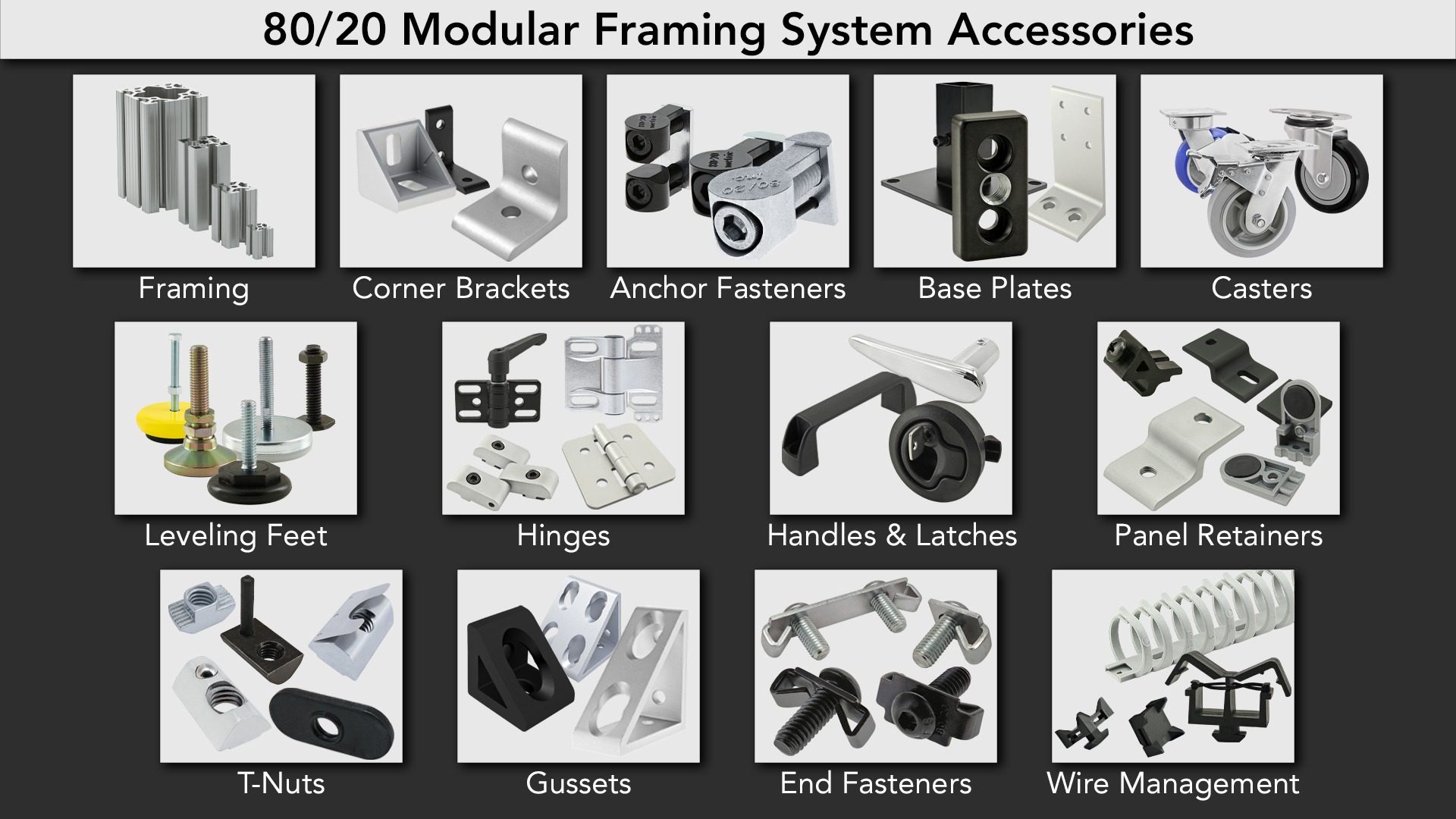
When choosing a system for modular custom data center frames, the system must include multiple accessories.
The modular framing system should provide everything needed to assemble custom equipment frames for data centers. That means having access to industrial casters, leveling feet, brackets, fasteners, hinges, latches, cable and wire management components, as well as door and shelving components.
The best modular and scalable system is one where everything can be purchased through the same source to ensure uniformity and ease of assembly.
-
Structural Framing Profiles
-
Leveling Feet
-
Base Plates
-
Corner Brackets
-
Anchor Fasteners
-
Panel Retainers
-
Hinges
-
Handles and Latches
-
Cable and Wire Management Components
-
Shelving Components
-
Linear Guides and Motion Components
-
Door Components
-
Monitor Mounts
-
Keyboard Mounts
-
LED Lighting Fixtures
What 80/20 T-slot Framing Offers for Data Centers
There are several benefits that the 80/20 T-Slot Framing System provides to data centers. First, there are over 120 different aluminum and Polyurethane FRP profiles. From light-duty to heavy-duty, the 80/20 system allows data centers to design and assemble custom data center frames based on loading weight.
Second, there is no welding required. This means adjusting frames can be done in-house without ever going outside to an expensive and time-consuming contractor.
Third, the entire system is reconfigurable. You alone decide how large or small your server racks are or how wide and tall your framing is. Adjusting the dimensions of your frame is done on your timetable. As your data center layout evolves, you’re able to adjust your racking and structures accordingly.
Fourth, our non-magnetic, non-combustible, high-strength aluminum is exceptionally durable and safe around electrical equipment.
Finally, every 80/20 customer has access to a dedicated and committed design and engineering team alongside a vast North American distributor network. From design assistance and support to free downloadable software, 80/20 is there with you throughout the process.
Common 80/20 Data Center Applications
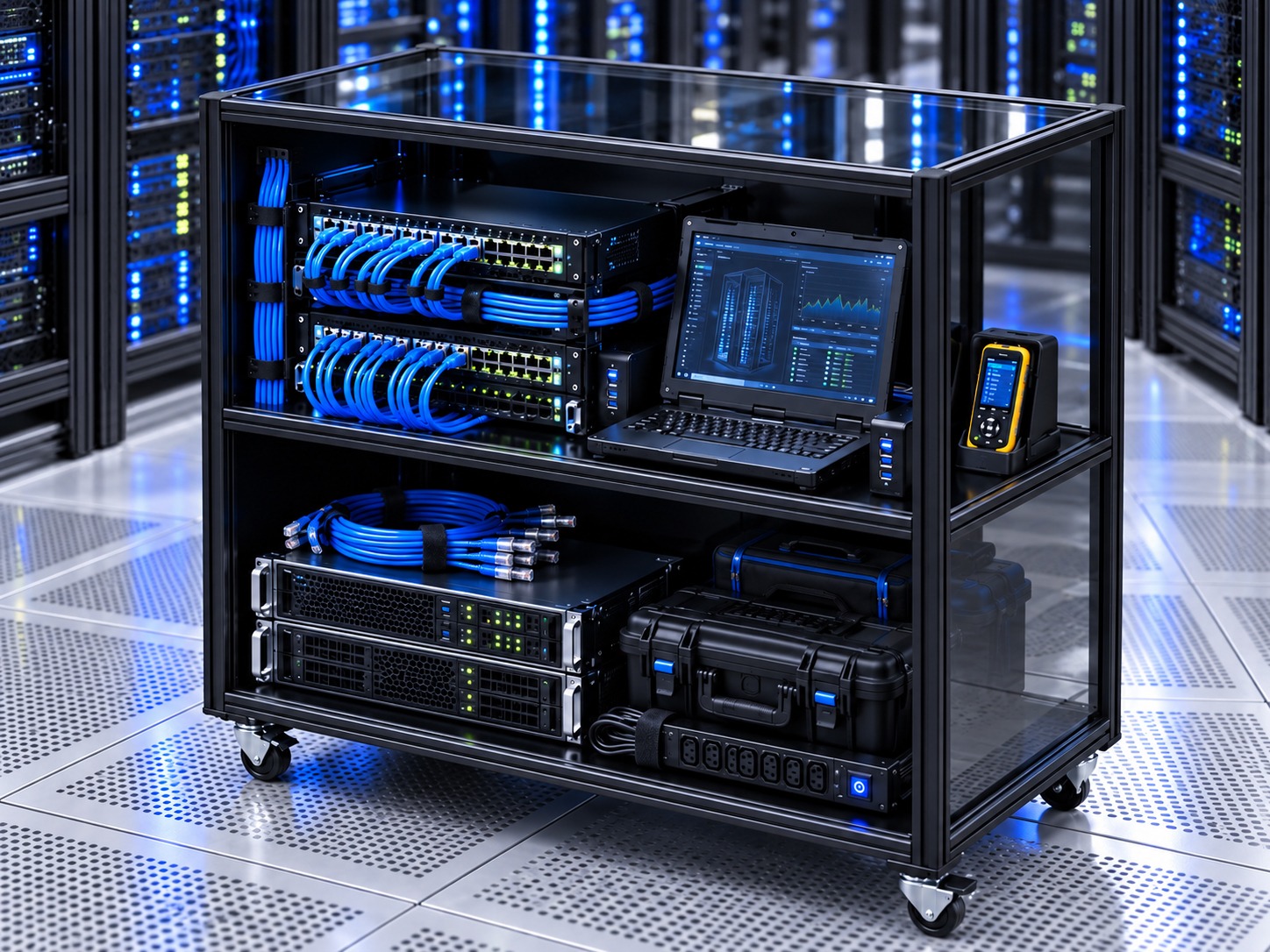
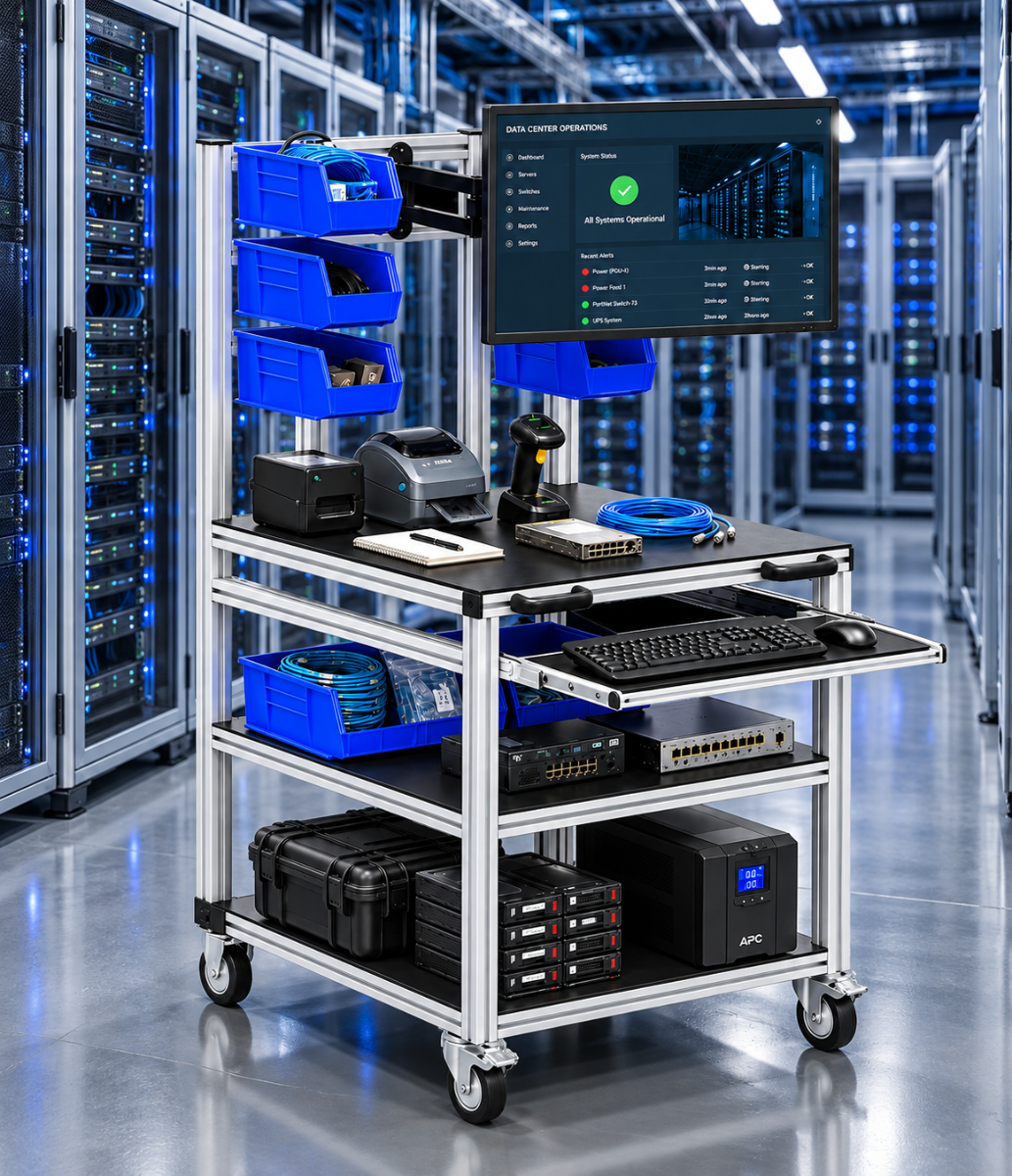
From custom equipment frames for data centers to mobile workstations, maintenance carts, safety enclosures, and custom barriers and shelving, the 80/20 system can be used to assemble a broad range of modular equipment and support structures.
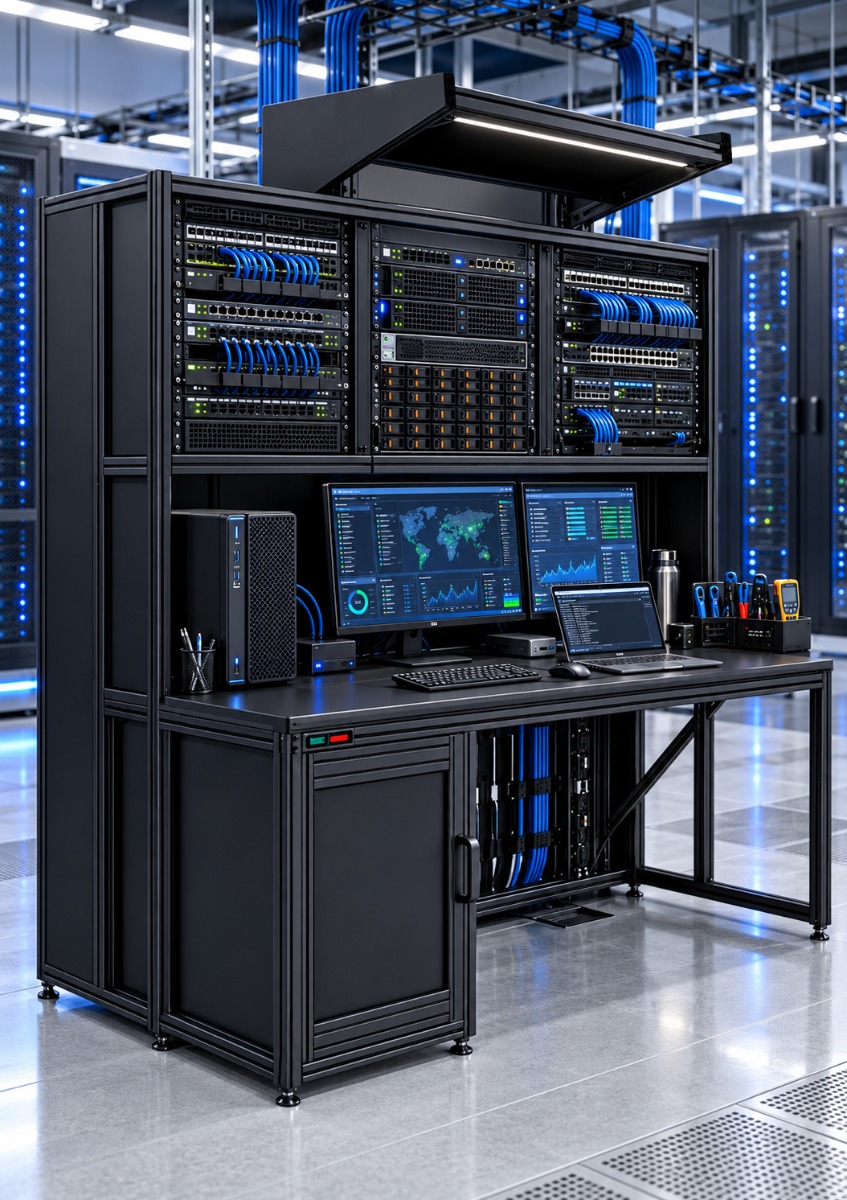
Workstation
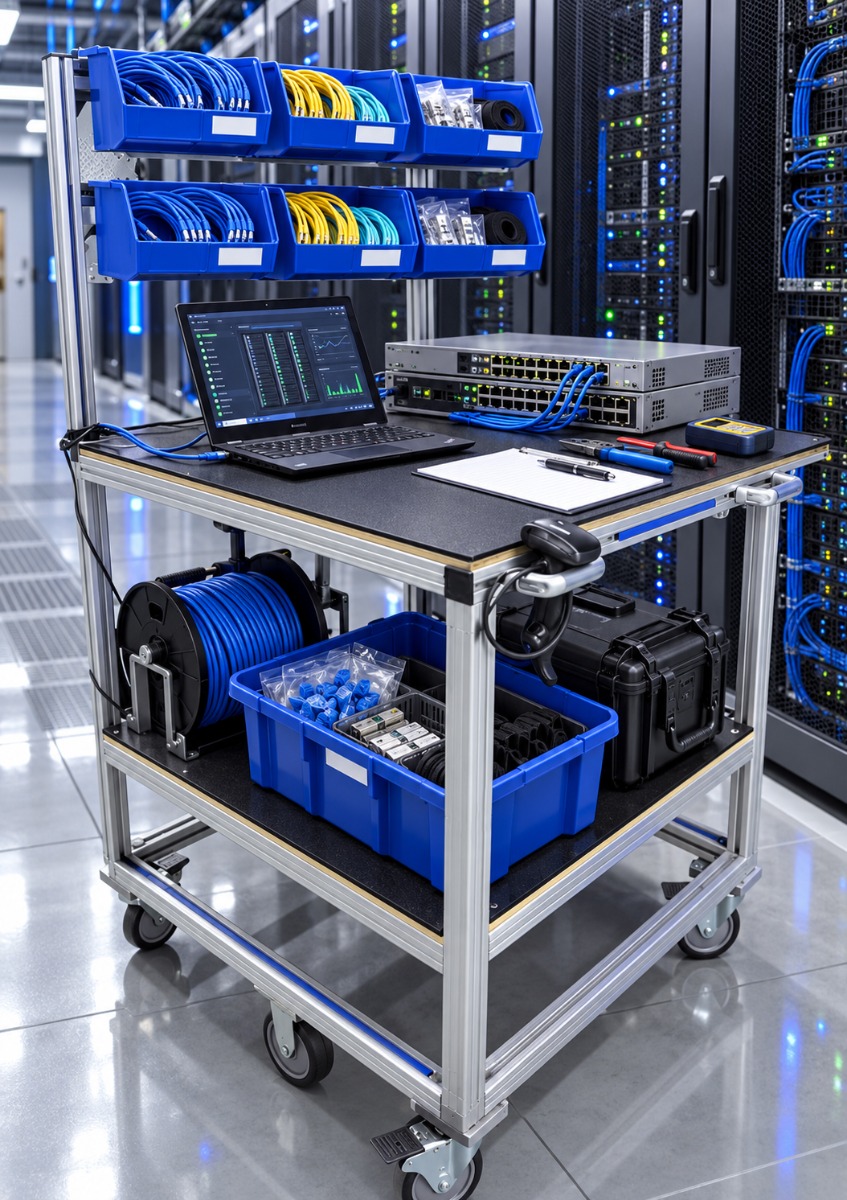
Mobile Maintenance Cart
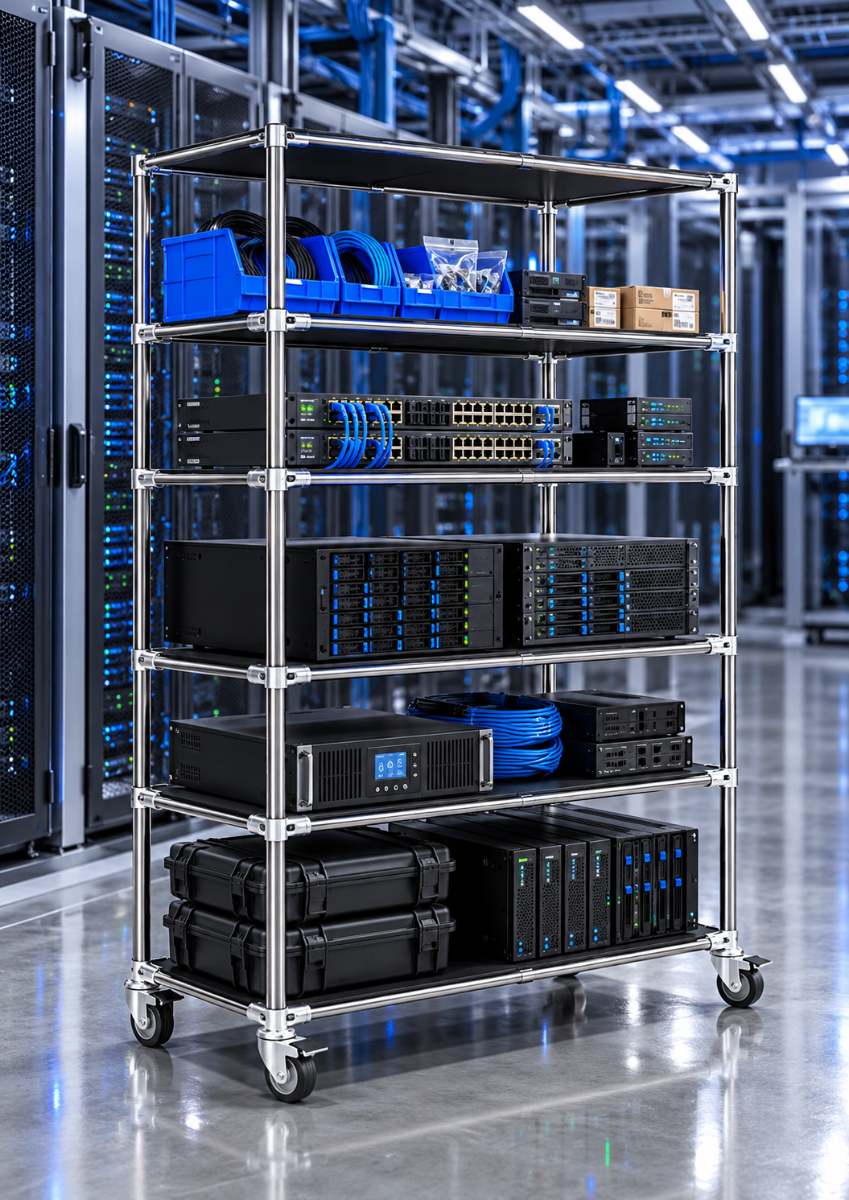
Rack/Equipment Frame
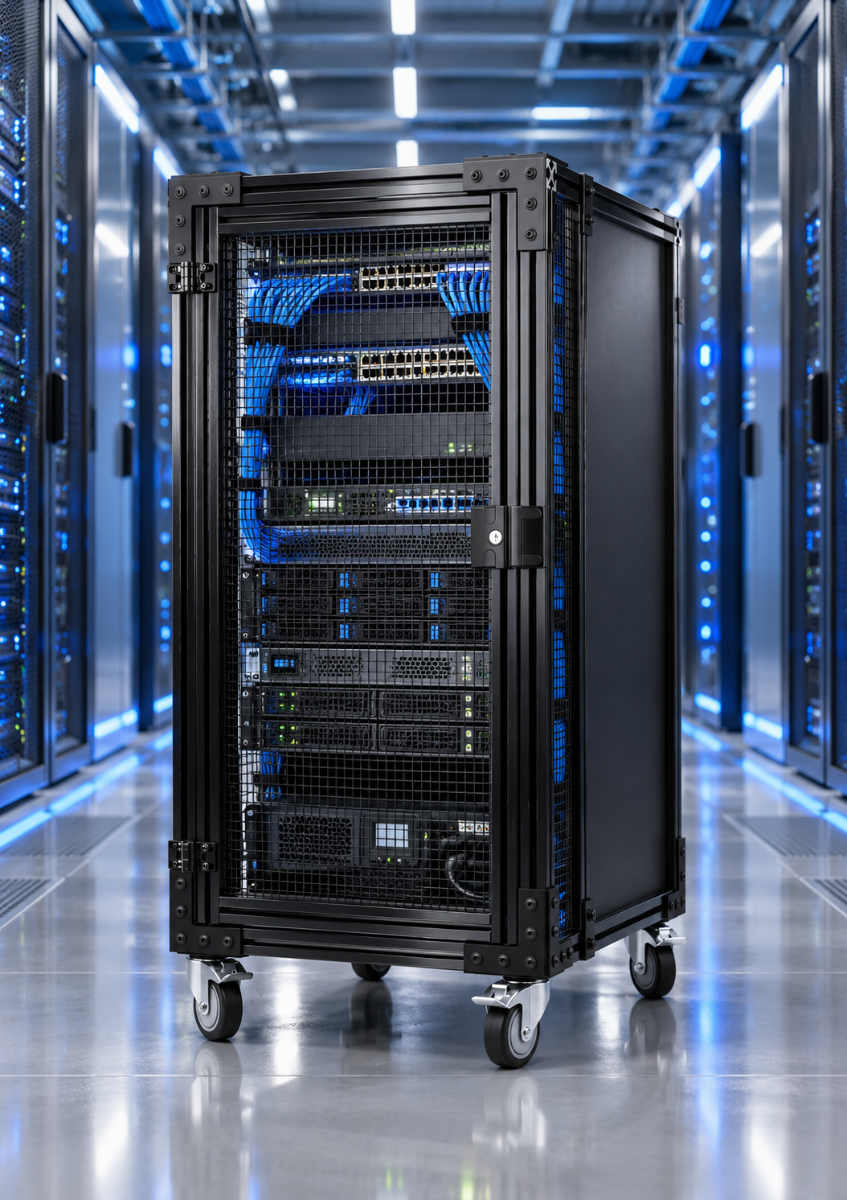
Safety Enclosure or Custom Barrier
The 80/20 data center framing system is geared for flexibility. This modular solution allows data center teams to design and assemble numerous different structures and safety enclosures. There is no welding. There is no need for outside contractors. There is no need for fabricators.
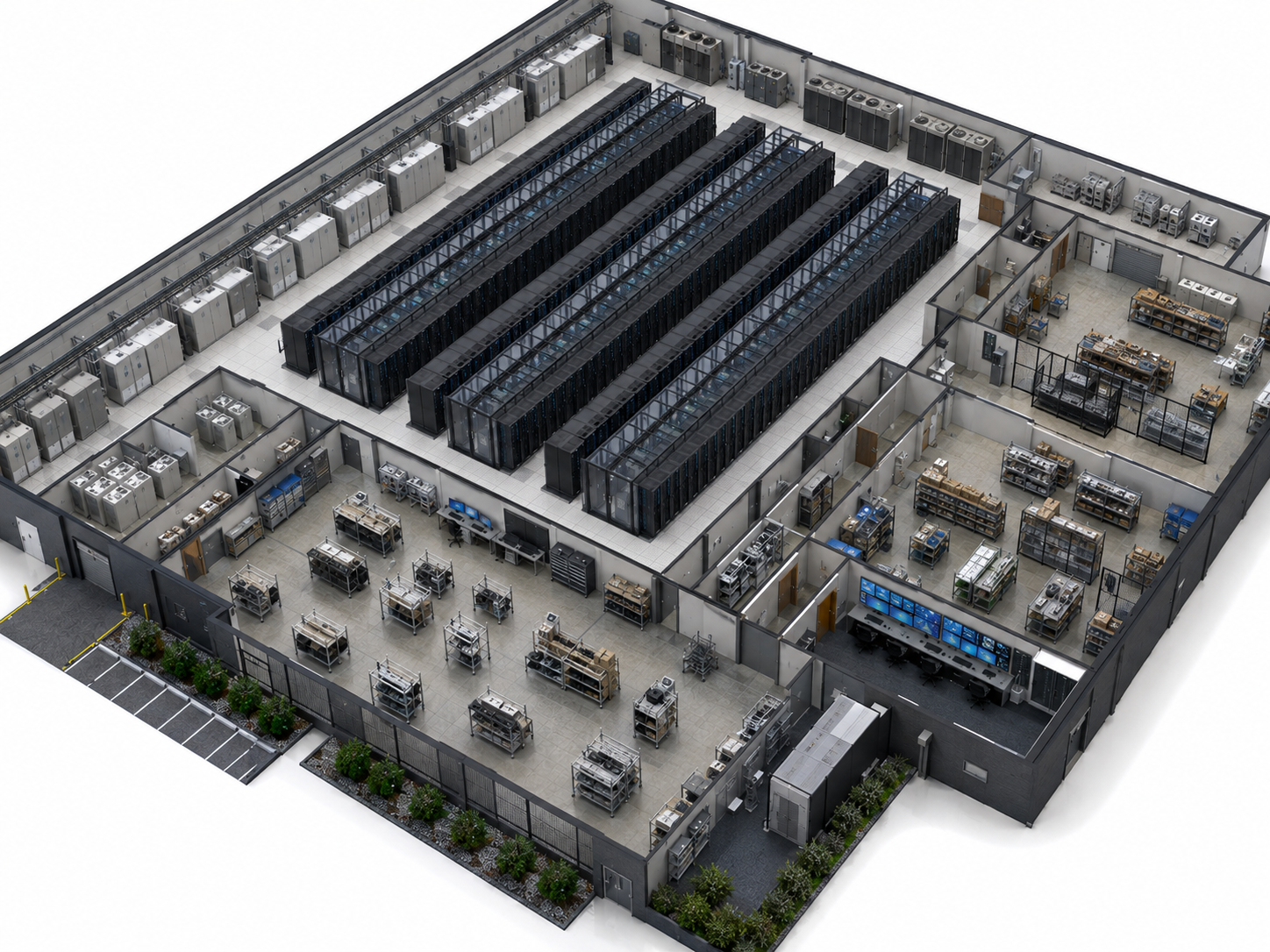
Material Uniformity: T-Slot Frame and T-Slot Aisle Containment
Start Designing Your Data Center Equipment Frames
Custom equipment frames for data centers ensure you’re always in control of your rack and frame spacing, layout, and costs. 80/20’s modular framing for data centers allows teams to design and assemble right-sized racks, frames, carts, workstations, and enclosures.
This material uniformity saves time and ensures data centers can erect aisle containment structures and change them as needed. This means dealing with one vendor, storing one material and ensuring uniformity across the entire floor.
It’s a solution geared towards helping data centers maximize available space, ensure proper cooling, and provide easy access for maintenance and upkeep of data center equipment.
Start Designing for Free With IdeaBuilder®.
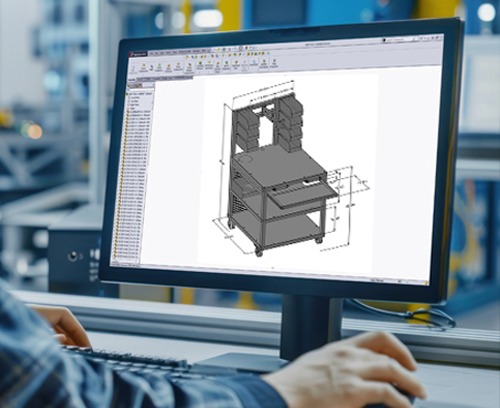
What's the Next Step with 80/20?
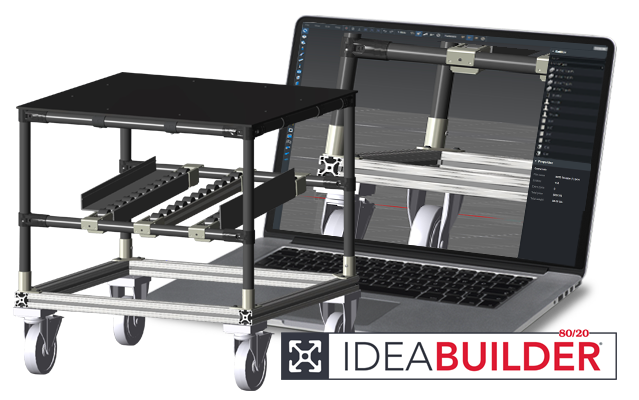
Start Designing with IdeaBuilder® Software
If you would rather explore a concept first, IdeaBuilder® can help you begin designing a project for free.

Contact a Network of Support Specialists
If you are ready to start the conversation, contact us on how to get your next project from concept to completion.
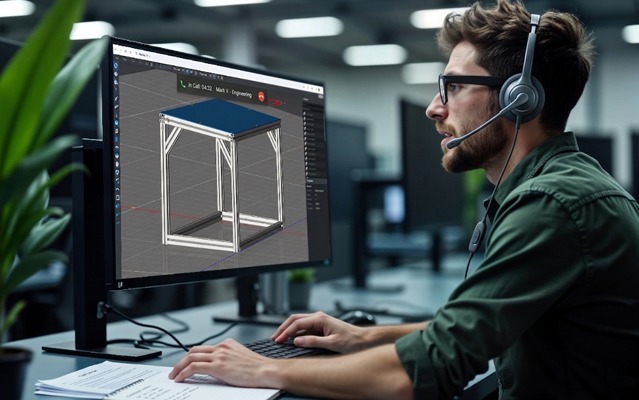
Move Your Project Efficiently from Concept to Completion
If you want to explore how that could apply in your environment, design assistance can help you think through the challenge.
Key Takeaways on Designing Frames for Data Centers
-
Traditional and general-purpose racks and prefabricated frames require data center teams to force-fit their equipment while limiting the spacing between frames and overall layout.
-
Custom modular framing for data centers reverses this relationship. Data center teams can maximize their layouts and spacing by creating custom racks and frames specifically tailored to their equipment’s weight and dimensions.
-
The right data center framing system should be modular, easy to assemble, durable, and strong enough to support and protect data center equipment.
-
The 80/20 system provides data centers with over 120 profile shapes and different profile materials (Aluminum & Polyurethane FRP) that require no welding.
-
Design assistance, an extensive distributor network, and IdeaBuilder® are solutions that help you accelerate the design process.
-
Start Designing Your Data Center Equipment Frames