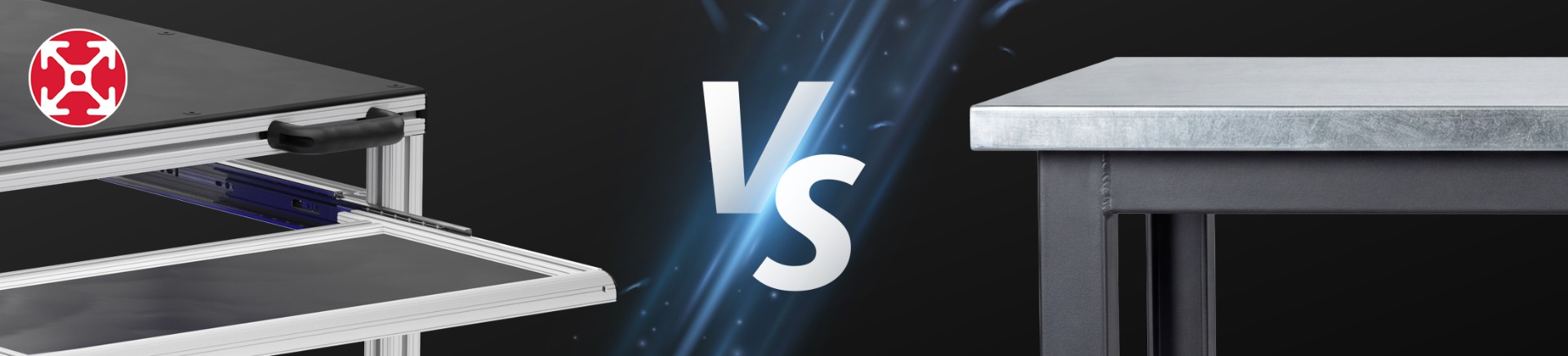
T-Slot Aluminum vs Welded Steel Workstations
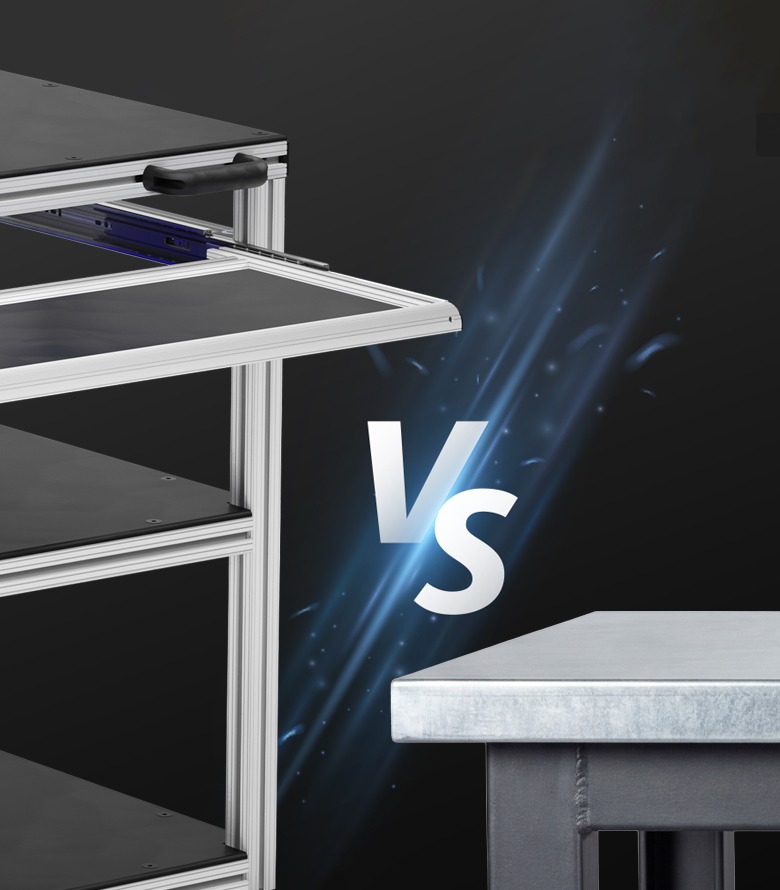
T-Slot Aluminum vs Welded Steel Workstations
Why Modular Wins on Cost & Safety
Even today, industrial manufacturers purchase welded workstations. This reliance on welded steel extends far beyond simply buying a welded workbench. Welded carts, trolleys, FIFO flow racks, shelving, picking carts, kitting carts, and platform carts are often made from welded steel. While these welded steel structures are strong and durable, they are anything but flexible.
Manufacturers who purchase rigid, fixed, welded steel workbenches and structures buy them for a specific need and point in time. When that need changes, these welded workstations and welded material handling structures immediately become outdated. Any thought of modifying them is quickly abandoned once the costs of refurbishment and rewelding are included. However, there are welded workstation alternatives.
These welded workstation alternatives allow manufacturers to design and assemble ergonomic modular workstations that are just as strong and durable as welded steel. What is one of these alternatives? It’s called the Modular T-Slot Aluminum Profile from 80/20, and it’s a solution that puts an end to the modular workstations vs welded steel discussion.
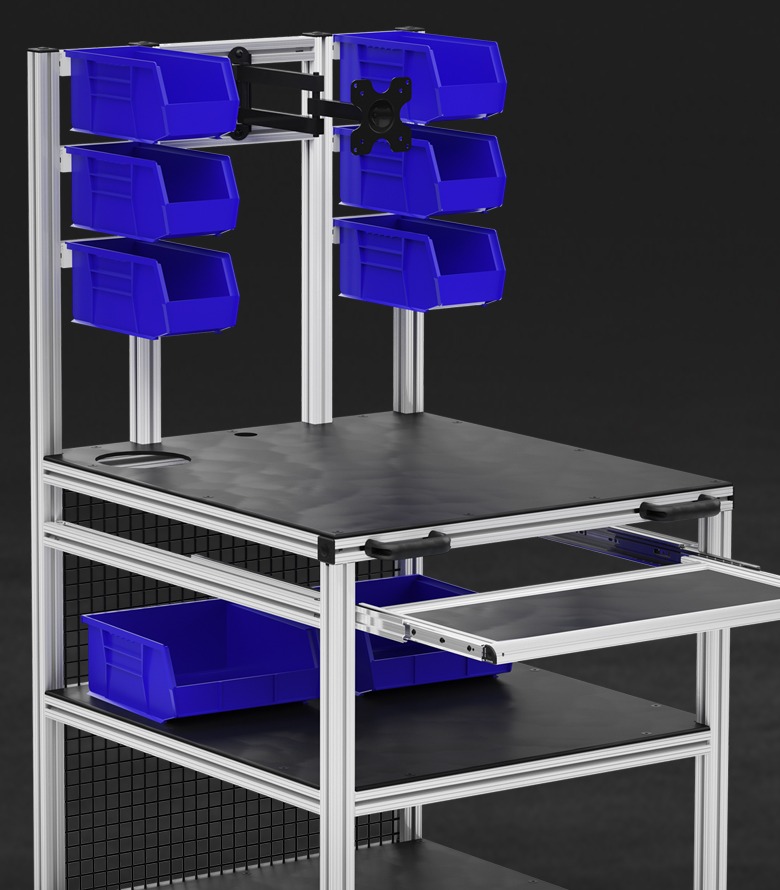
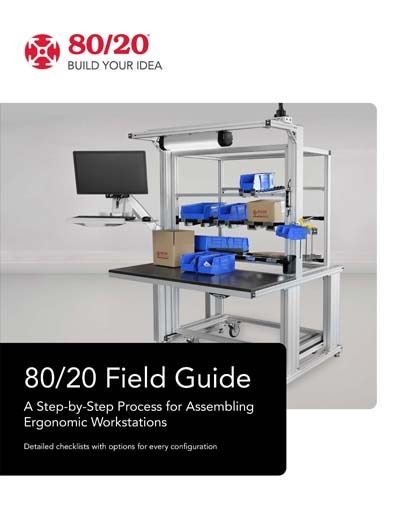
Learn More in the Workstations Field Guide
This guide outlines a 7-step workstation design process, from defining seated or standing use and task needs to selecting profiles, casters, storage, lighting, and safety features. It includes printable checklists for design reviews and improvement events, along with practical tips for choosing materials, surfaces, and components. Example layouts show stationary, ESD-compliant, and mobile ergonomic stations. Download and get started!
Limitations of Welded Steel Workstations
When it comes to comparing modular workstations vs welded steel, it’s important to understand the inherent limitations of welded steel workstations.
What are the limitations of welded steel workstations?
Welded steel workstations are heavy, expensive, and inflexible. Every modification requires cutting and rewelding, leading to weeks of downtime and higher costs than building new. Their fixed dimensions prevent ergonomic adjustments, making them unsuitable for lean manufacturing environments where continuous improvement is essential.
It’s not just the upfront cost of welded workstations that is prohibitive. The costs to modify, refurbish, or change welded workstations are often higher than purchasing a new workstation. These costs are further exacerbated by the delays in removing welds and rewelding existing steel workstations.
Sending an existing steel workstation out for refurbishment can take weeks if not months. Incredibly heavy, requiring multiple people to move them, and having fixed dimensions, means steel workstations do not belong in lean manufacturing environments.
Welded steel workstations are not ergonomic and do not lend themselves well to lean manufacturing environments where constant change and continuous improvements are the norm. It is for these reasons that any discussion about T-slot vs welded steel ultimately ends with T-Slot Aluminum coming out ahead.
How do 80/20 T-Slot Aluminum Profiles improve manufacturing?
80/20 T-Slot Aluminum Profiles empower manufacturers to design custom, ergonomic workstations that adapt as workflows evolve. Lightweight yet strong, they support heavy loads while meeting ergonomic guidelines. Unlike welded steel, profiles can be cut, assembled, and reconfigured with simple tools, helping manufacturers reduce downtime, stay compliant, and align with lean and Kaizen principles.
The T-Slot Aluminum Profile also has excellent load-supporting capacity. Easily cut and easily connected with just a simple handheld tool, this aluminum is the essential building block of all 80/20 modular and scalable material handling structures.
The entire 80/20 material handling system complements the T-Slot Aluminum Profiles with steel pipes, joints, fasteners, connectors, hinges, casters, rollers, towbars, Kaizen foam, and numerous other accessories. For manufacturers, it means creating and assembling ergonomic modular workstations that their employees can surely appreciate.
The result is a low-cost solution that is 100% modular, scalable, and most importantly, reusable. This incredibly lightweight solution means manufacturers can design and assemble workstations as strong and durable as welded steel without the extra cost, while allowing for faster changes with minimal downtime.
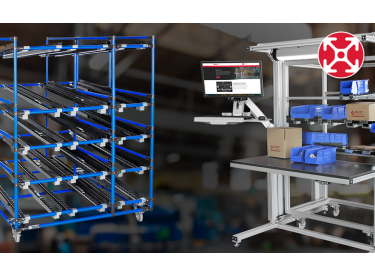
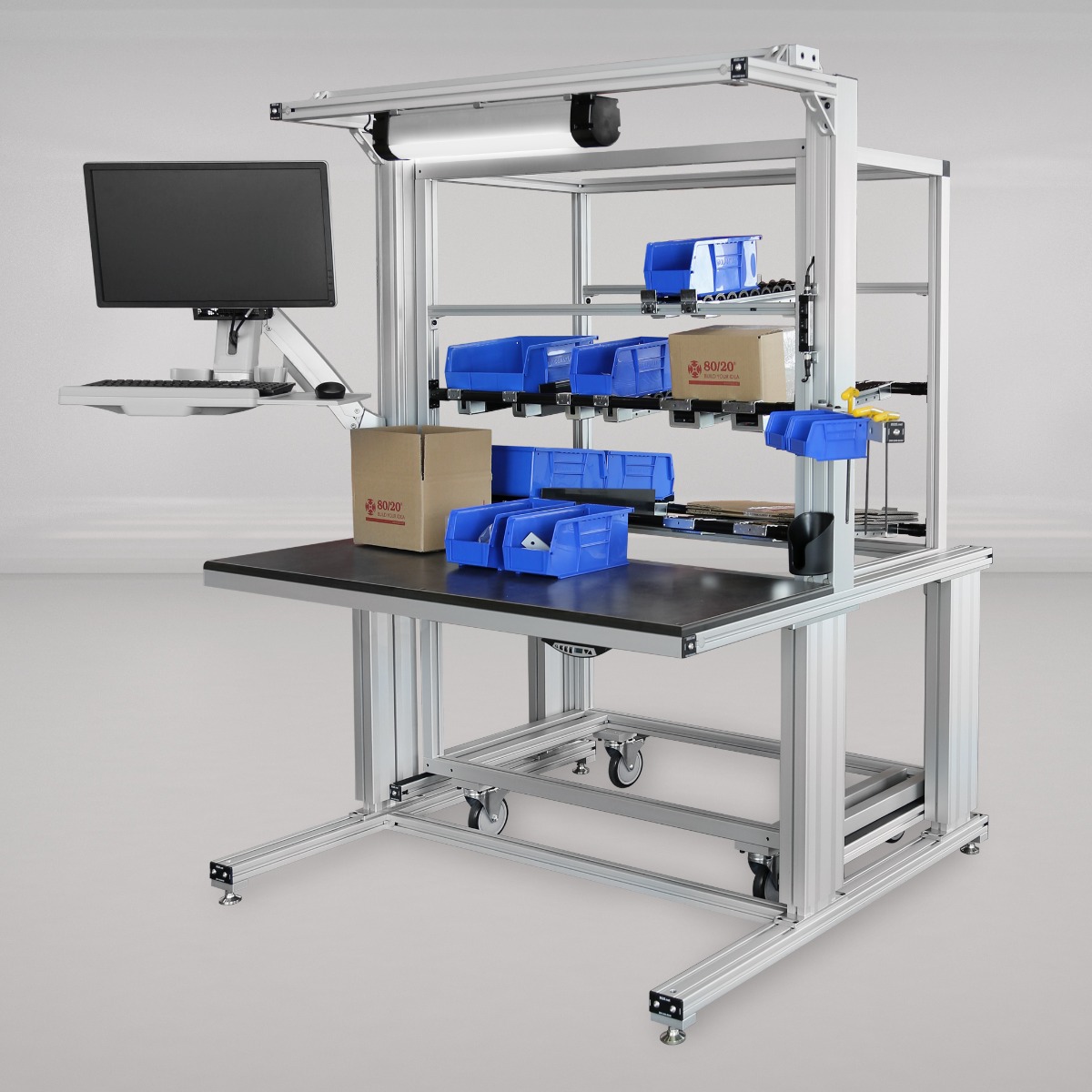
The above image is a perfect example of why the T-Slot Aluminum Profile always wins out on any T-slot vs welded steel discussion. This customized mobile workstation is made from T-Slot Aluminum. The layout supports an efficient, ergonomic workflow with an overhead task light, accessible storage, and integrated technology. It combines a removable flow rack—designed to keep parts moving toward the operator for easy access—with an articulating monitor arm, a keyboard and mouse tray, a tool holder, and an electric lift system.
How do T-Slot Aluminum Profiles compare on cost, safety, and productivity?
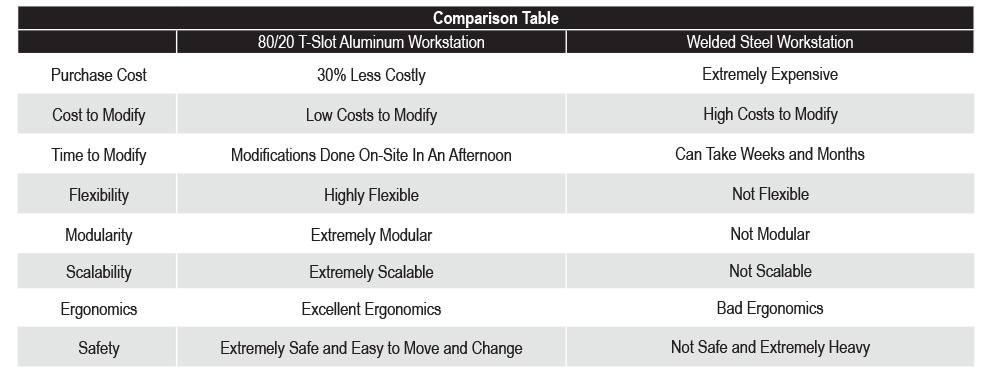
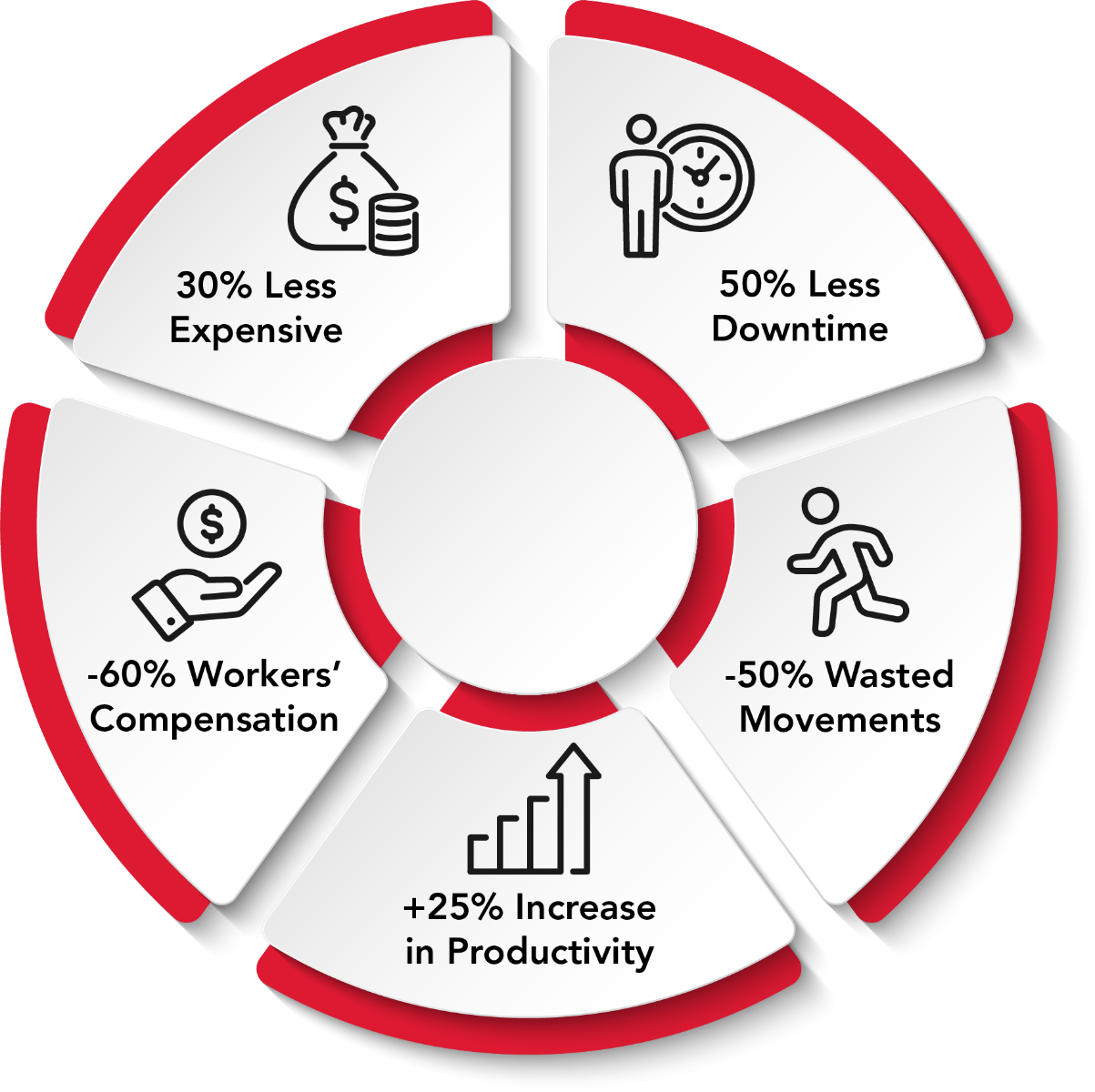
80/20 T-Slot Aluminum workstations are typically about 30% less expensive upfront than welded steel and require far less effort to modify. Because adjustments don’t involve cutting or rewelding, manufacturers can reconfigure layouts with up to 50% less downtime, keeping production moving without costly delays.
They also create safer, more ergonomic environments. Adjustable heights, tool placement, and flexible layouts reduce strain and wasted movement, often leading to 20–25% productivity gains and fewer injuries. For manufacturers, this balance of lower cost, improved safety, and higher output makes T-slot aluminum a clear upgrade from rigid welded steel.
Use Cases & Examples
80/20 T-Slot Aluminum Profiles are applied across multiple industries:
-
Automotive Assembly Lines – Custom-sized stations fit tight spaces between machines.
-
Packaging & Inspection – OEM-designed packaging frames reduce cost and improve throughput.
-
Labs & R&D Facilities – Test setups can be reconfigured quickly for different experiments.
-
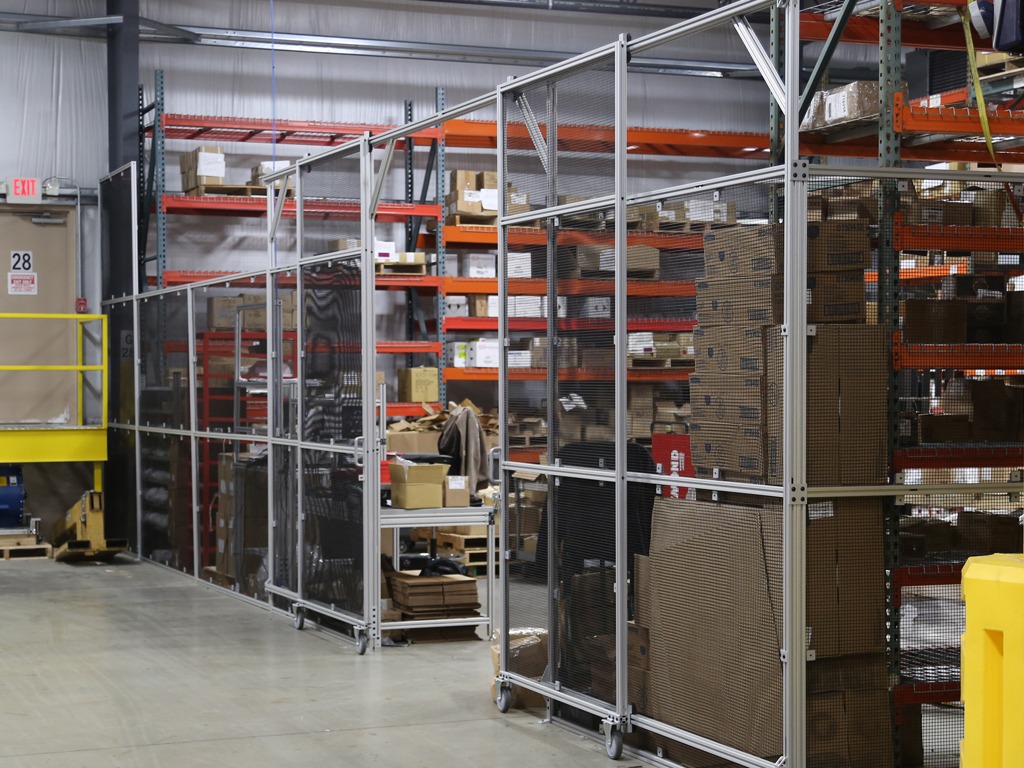
Maintenance & Safety – Guard rails and machine enclosures improve worker protection.
1. Automotive Assembly Lines
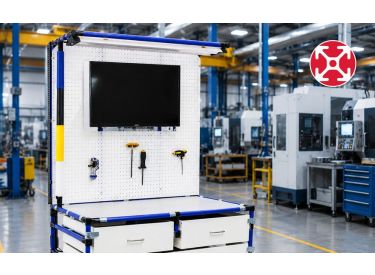
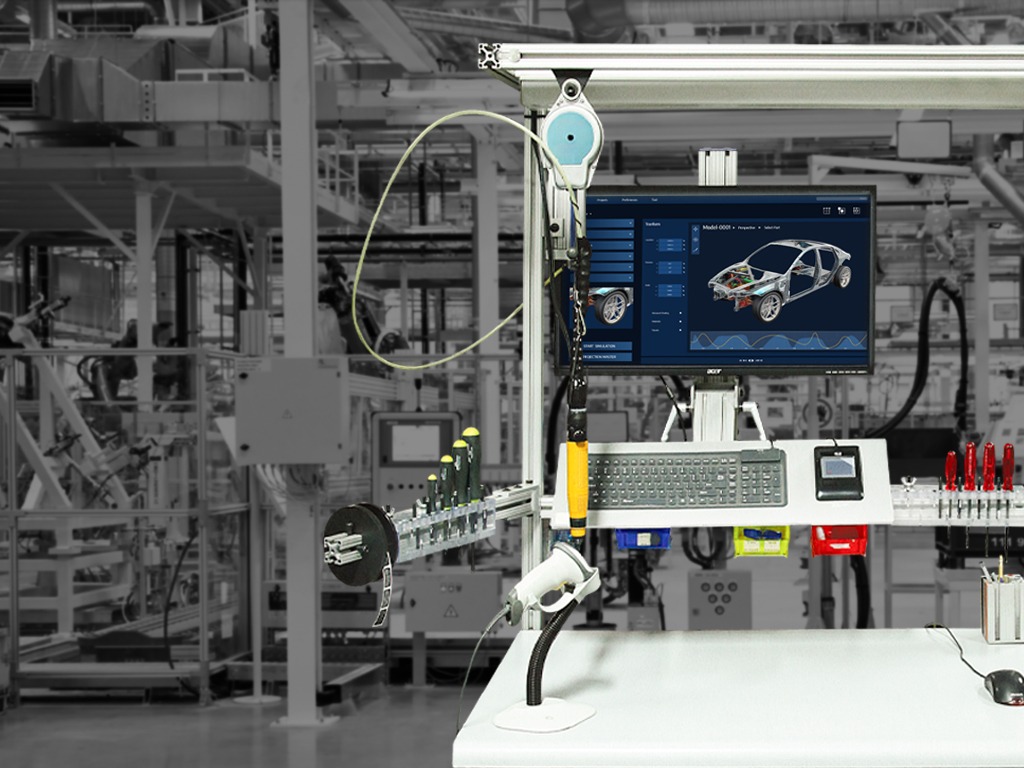
This image depicts a tight-fitting, modular, and scalable 80/20 workstation made with T-Slot Aluminum Profiles. This requirement called for a specific-sized workstation that could easily be placed between two adjacent machines. This type of customization simply isn’t possible with welded steel workstations.
A hallmark of the 80/20 system is the ease with which manufacturers can customize whatever solution they need. In this image, a workstation made from the T-Slot Aluminum Profiles includes a small placement location for handheld screwdrivers and Allen keys.
Easily placed into the channels of the T-Slot Aluminum Profiles, this simple adjustment is low-cost and ensures proper placement of tools and accessories.
2. Packaging and Inspection Stations
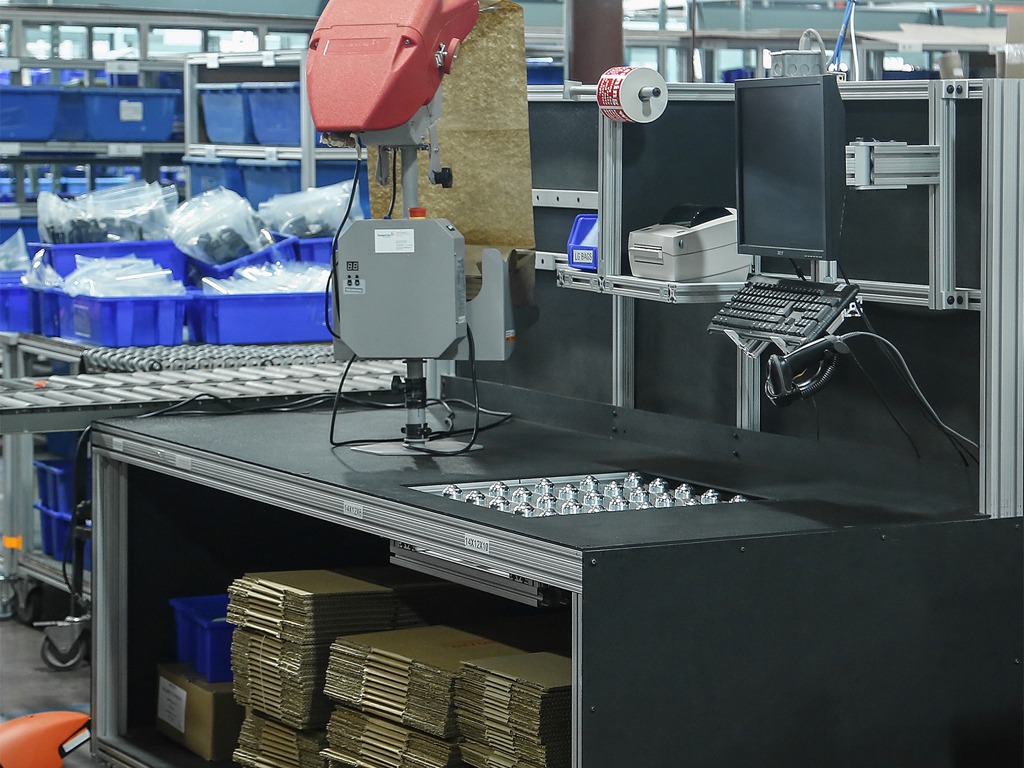
A staple in packaging and inspection departments, the T-Slot Aluminum from 80/20 allows for the ultimate in custom packaging solutions and framing. This particular packaging station was designed by an Original Equipment Manufacturer (OEM) who relies on the T-Slot Aluminum as a low-cost alternative to welded steel.
3. Custom Lab & R&D Setups
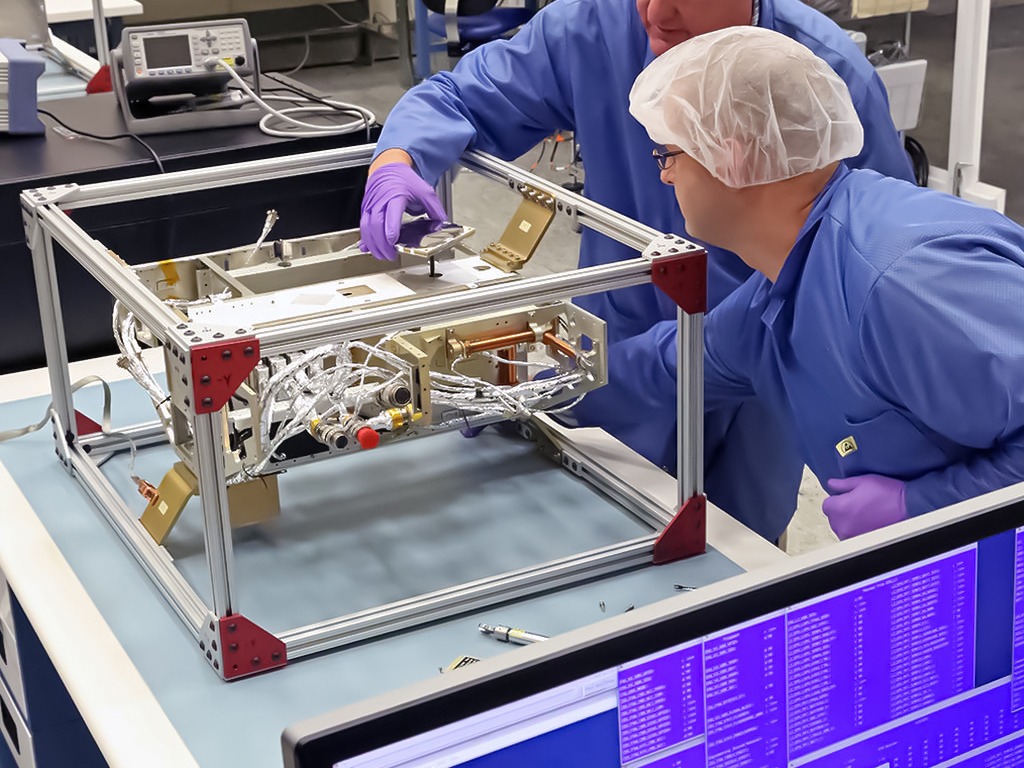
When it comes to customizing test setups within labs and R&D facilities, it’s impossible to beat the functionality offered by the 80/20 T-Slot Aluminum Profile. Regardless of the weight of the component or item being tested, manufacturers can easily assemble a customized test setup with the 80/20 solution.
That test setup can then be reconfigured for other test requirements as needed.
4. Maintenance and Repair Stations
A maintenance team’s efficiency comes from its ability to quickly make safety modifications to an existing installed equipment base. Success requires an easy-to-use structural material that can easily be cut and configured to whatever shape is needed. This is exactly what the 80/20 T-Slot Aluminum Profiles allow.
The 80/20 T-Slot Aluminum: The Ultimate Lean Tool
The 80/20 T-Slot Aluminum Profile is the ultimate lean solution for manufacturers wanting to design and assemble custom aluminum workstations. The T-Slot Aluminum empowers manufacturers to save money, improve workflow, and create ergonomic modular workstations that improve safety. The ideal building material, a workstation made from 80/20 T-Slot Aluminum is vastly superior to any welded steel workstation.
To learn about how you can design your own 80/20 T-Slot Aluminum Workstation, please download The Workstation Redesign Comparison Guide.
Interested in designing your own 80/20 T-Slot Aluminum workstation? If so, then download IdeaBuilder®. This web-based, Windows and Mac-compatible design tool doesn’t require any additional software and allows you to design whatever structures are needed.