
Costs & Benefits of Robotics: What You Need to Know
The Benefits and Costs of Cobots: What You Need to Know
Walk through any modern industrial plant, and you’ll notice different types of robotics performing different tasks—from cutting and grinding to painting and packing. When the robots work autonomously, balancing safety with fast speeds and carrying-load potential is often the name of the game. When robots work close to or in collaboration with people (these robots are called “collaborative robots,” or “cobots”), then safety must take priority.
While both types of robotics are present in today’s industrial automation environments, cobots are currently the fastest-growing segment: In fact, they’re expected to expand [LG1] at a CAGR of 41.8% from 2022 to 2027. As you think about where and how to integrate cobots into your operations, it’s critical to weigh their benefits and costs so you can make the right decision.
4 Big Benefits of Cobots
Aisle containment is a physical barrier that separates the heat of the servers from the cold supply airflow. This partition is often constructed using aluminum construction components to improve airflow efficiency.
The server racks are lined up in rows with the cold air intakes facing one direction and the hot air exhaust facing the other. This makes one side of each server row hot and the other cold. Some data centers use cold air containment (CAC) to trap the cold air and dispose of it so it won't mix with the hot. Others use hot air containment (HAC), which disposes of the heat exhaust to keep it from mixing with the cold air. CAC is cheaper and easier to implement, but HAC is generally more effective as the number of servers grows.
1. Simple and Flexible Reconfiguration
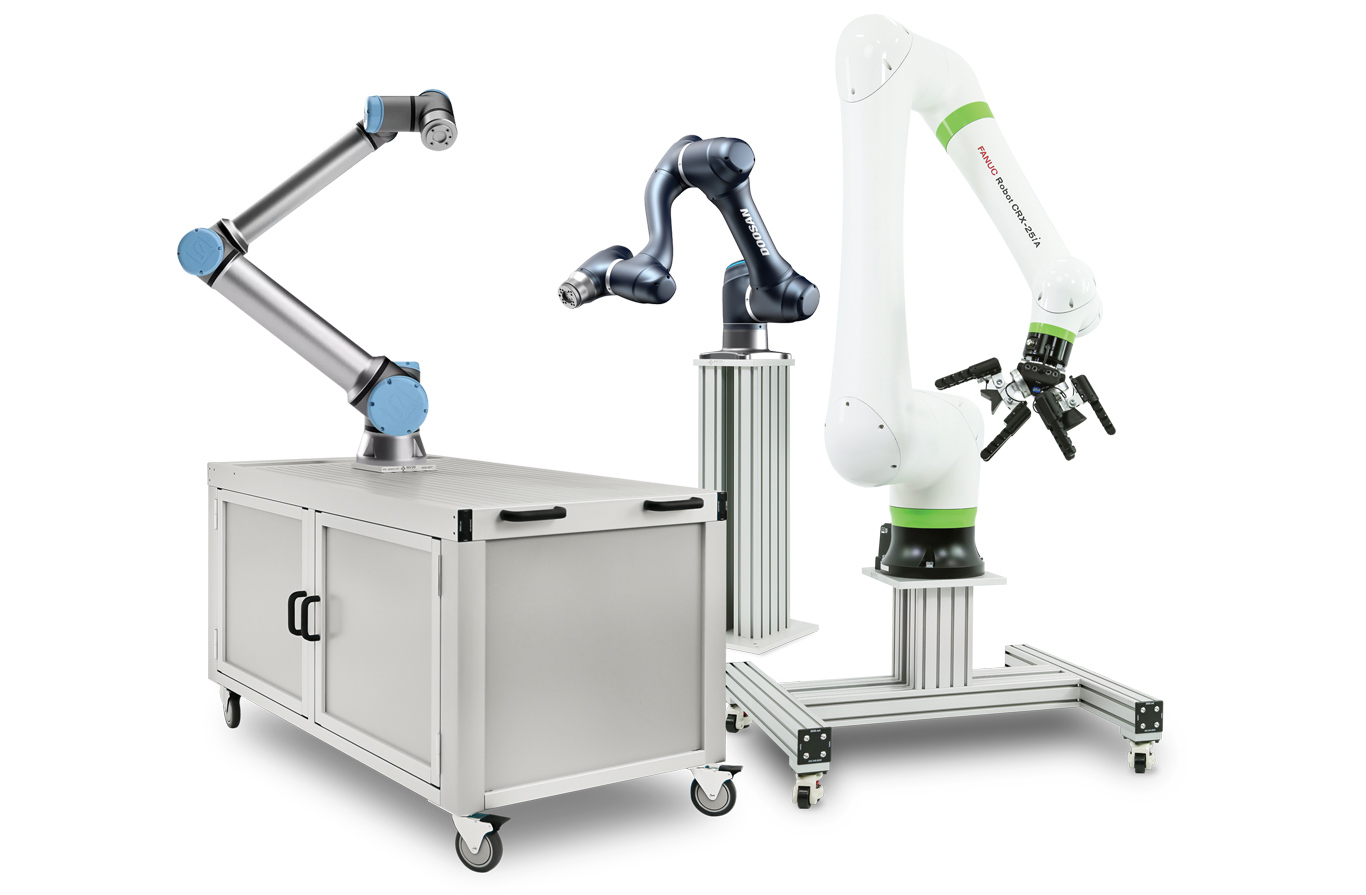
Cobots are designed to move and adapt easily to different tasks, while larger, more conventional robots, such as Cartesian or Delta robots[LG1] , typically stay in a fixed location to complete a dedicated task. One morning, your cobot may palletize products on a pasta line; a few hours later, you can configure it to sprinkle seasoning over a product before it’s packaged.
2. Safe Operations Around Humans
Cobots are meant to operate safely near people, so they’re designed with features that make this possible. For instance, they integrate force-limiting control that senses when operations need to decelerate or stop to prevent a collision or injury.
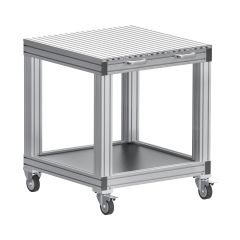
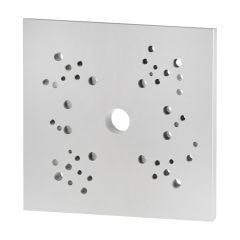
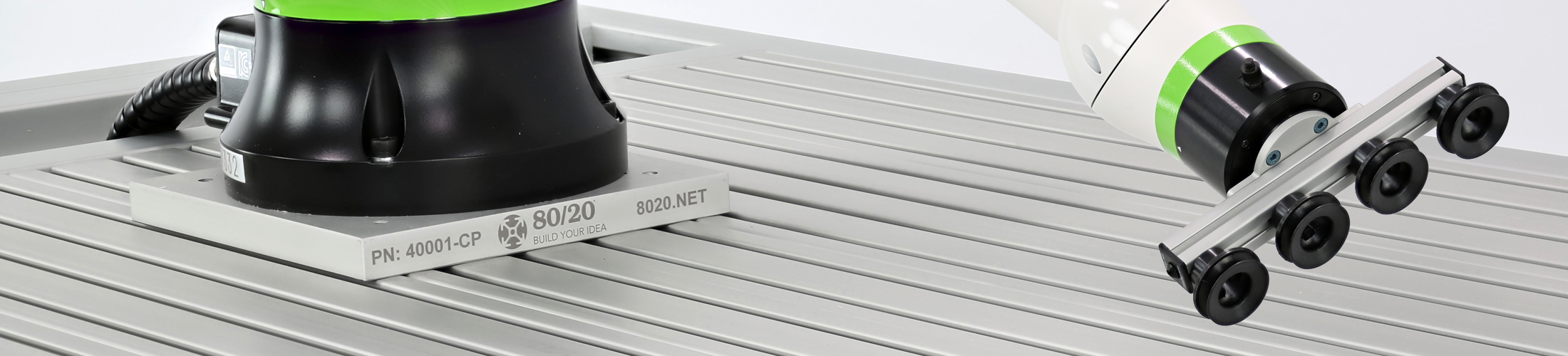
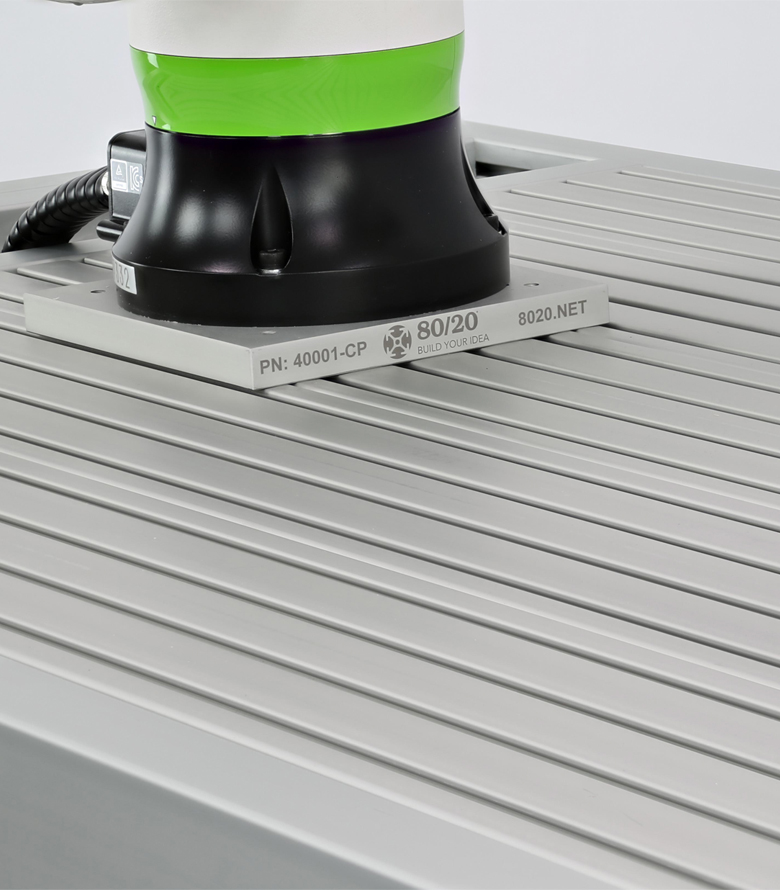
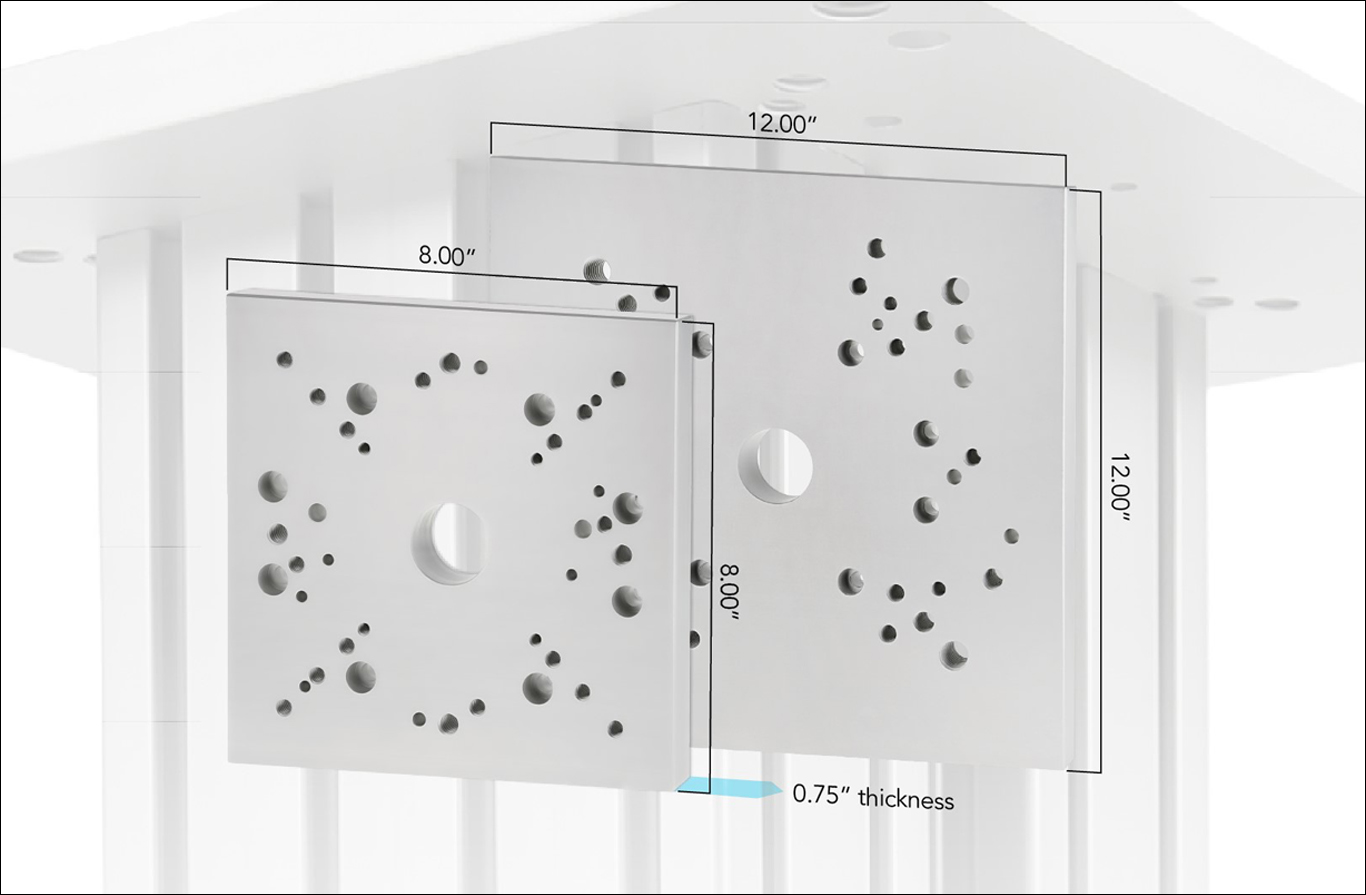
They’re also compatible with accessories like pedestals and mounting plates, which offer adjustability and durability while also ensuring safe operations. Unlike conventional industrial robots, a cobot can be mounted to a tabletop workstation right next to an operator who, for example, loads components while the cobot finetunes an assembly at a human-equivalent speed.
3. Easy to Set Up and Use
Most cobots are controlled and managed by app-based technology and point-and-click features. This makes operation as straightforward as using a smartphone and often means that traditional programming and coding aren’t required. As a result, they can be configured faster than conventional industrial robots and are simple to troubleshoot.
Managing robot control in older industrial robots often requires trained engineers who can understand the proper programming language and write code. But, in less than 30 minutes, a human operator can learn to work in collaboration with a cobot and prepare it for a new task.
4. Raise the Bar for Productivity
Serving as an extension of your team without the associated costs, cobots can increase production yields while reducing production time to decrease cycle time—and all with less overhead.
If your staff have skills that could be utilized elsewhere, cobots can step in to perform their jobs and maintain production yields when they’re needed on another project. Or, when an operator is out sick, a cobot can occupy his or her operation cell to temporarily perform the work.
Collaborative robots can also take over dull, dirty, or dangerous tasks that are prone to error or may lead to injury. For example, using a cobot to remove parts from boxes reduces the potential for repetitive stress injury and frees up employees to focus on tasks that offer more variety and critical thinking.
How Much Do Cobots Really Cost?
When bringing cobots into your industrial environment, initial hardware investments are a major consideration. The average cost of a cobot ranges between $25,000 and $50,000. While capital expenditures are obviously one factor to consider, the following soft costs can increase total cost of ownership as well.

Additional Components and Accessories
Cobots are meant to be versatile, but they rely on additional components and tooling options, like grippers, magnets, mounting plates, and pedestals, to achieve this versatility in a safe, effective manner.
Connectivity and Infrastructure
Cobots often need access to data, which means they require network connectivity. You must have the right infrastructure in place to support wired and/or wireless connections when cobots need to communicate or share/receive information.
Staff Education
Although extensive programming and coding usually aren’t required, workers must still know how to program cobots so they complete the appropriate tasks. This requires an investment in training so that everyone understands how to optimize the performance of their cobots.
How 80/20 Supports Your Robotics Initiatives
When you’re ready to deploy your next robotic solution, 80/20 can help design and deploy the mechanical structure you need. You have access to our wide selection of aluminum profiles, fasteners, panels, and much more to create your custom solution.
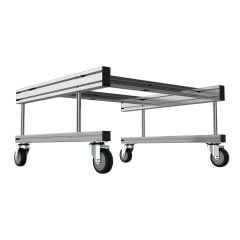
To give your cobots more versatility and adaptability, 80/20’s new robot pedestals work in tandem with universal robot mounting plates. Available in four standard heights and in static or mobile options, we’ll help you find the right solution for your industrial automation application.